
Blooming
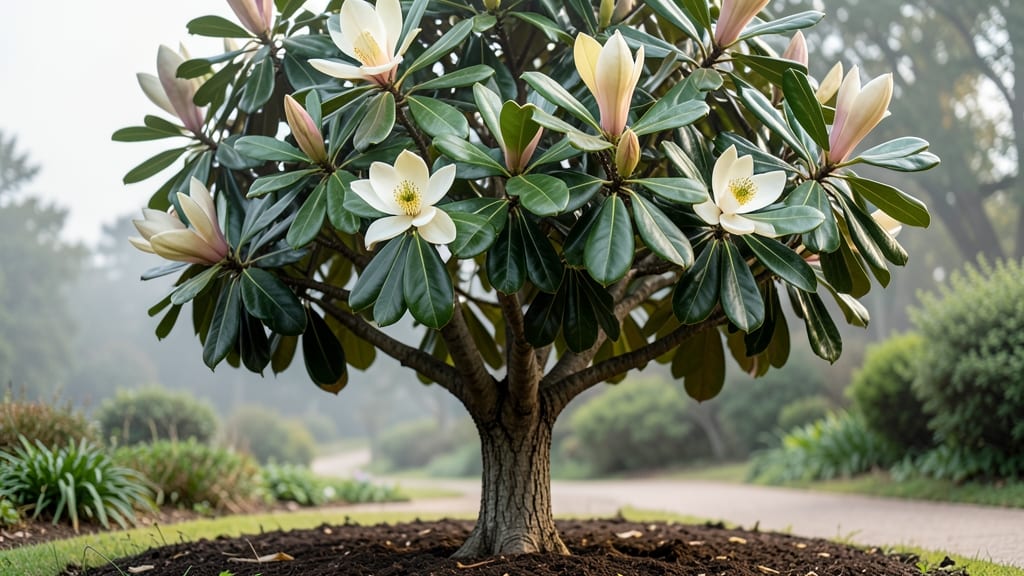
Southern magnolias burst into bloom between late April and June, but the exact timing depends on where you live—warmer zones like 8-9 see flowers as early as March, while cooler areas in 7-8 wait until May. 🌸 That first wave of creamy-white blossoms, heavy with sweet perfume, transforms any yard into a fragrant paradise.
The tree’s age matters too—young magnolias often wait until they’re 10-15 years old before putting on a full show, but mature specimens can blanket the ground with petals for weeks. Southern summers are their natural bloom window, but late frosts or drought can delay things.
To encourage the best display, water deeply during dry spells and avoid heavy pruning in late winter—those buds form in the previous season. A well-fed magnolia rewards patience with 6-8 weeks of continuous blooms, turning heads and filling the air with that iconic floral scent.
This isn’t just a spring spectacle—it’s a seasonal rhythm. Plan your spring garden around it: pair magnolias with azaleas for layered color, or time a patio setup for peak fragrance months. The key is anticipation—mark those bloom dates on your calendar now.
📚 In This Guide
- What you need
- Instructions
- Tips and common mistakes
- Wrapping up and next steps
What you need
- ● Ready to welcome the southern magnolia’s into your garden? Here’s what you’ll need to ensure a stunning, fragrant bloom time tailored to your USDA hardiness zone:
- ● Pro tip: 💡 If planting in zones 8–10, consider a dwarf variety (e.g., ‘Little Gem’) to save space without sacrificing scent!
How to time your southern magnolia bloom season by planting zone
Here's how I pinpoint the best months for those iconic white blooms in your climate.
🌿 Step 1: Identify Your USDA Planting Zone
Southern magnolias thrive in zones 6-10, but bloom timing shifts dramatically between them. Check your zone by entering your ZIP code into the USDA Plant Hardiness Zone Map—it's free and takes 30 seconds. I always double-check with my local extension office too, since microclimates can push zones by a full number.
For example, zone 7 (like Atlanta or Raleigh) sees peak blooms in late April to early May, while zone 9 (Miami or Houston) flowers from February to March. The key is knowing your last frost date—magnolias can't tolerate freezing while in bloom, so timing matters.
☀️ Step 2: Observe Local Climate Patterns
Even within the same zone, elevation and coastal influences change bloom windows. I notice that magnolias in higher elevations (like Asheville, NC) bloom 2-3 weeks later than those in nearby valleys. Coastal areas like Charleston, SC, often see earlier blooms because of milder winters.
Watch established trees in your neighborhood—their bloom cycles become your calendar. If your local magnolia blooms in mid-May, expect your new planting to follow that pattern after 3-4 years of establishment. Young trees need time to build root systems for full flowering.
🪴 Step 3: Plant at Optimal Times for Zone-Specific Growth
For zones 6-7, plant bare-root trees in early spring (March) or container-grown specimens in fall (October). The roots establish before summer heat arrives, giving the tree energy to focus on bloom buds next season. I always water deeply after planting—10 gallons for every inch of trunk diameter—to prevent transplant shock.
In zones 8-10, you can plant year-round, but fall planting (September-November) gives roots time to settle before summer. The key is avoiding peak summer heat—newly planted trees struggle to establish when temperatures exceed 90°F for extended periods. Mulch with 3 inches of shredded bark to protect roots from temperature swings.
⏰ Step 4: Adjust Care for Early or Late Bloomers
If your tree blooms too early (before last frost), protect buds with frost cloth once nighttime temperatures drop below 32°F. I've seen entire blooms wiped out overnight—it's heartbreaking after waiting years. For late bloomers, prune lightly in late winter to encourage stronger flowering the following season.
Feed with balanced 10-10-10 fertilizer in early spring (when new leaves emerge) and again in mid-summer. Over-fertilizing in fall can stimulate tender new growth that won't survive winter. The goal is steady, healthy growth—not a fertilizer rush that backfires.
🌱 Step 5: Create Ideal Conditions for Long-Term Blooming
Southern magnolias need full sun (6+ hours daily) and well-draining soil to perform at their best. If your soil is heavy clay, amend with 3 inches of compost before planting. I test soil pH too—magnolias prefer slightly acidic (5.5-6.5). If your soil is alkaline, add elemental sulfur according to package rates.
Water deeply once weekly during dry spells, aiming for 1-1.5 inches total. The roots should extend 12-18 inches deep in mature trees, so surface watering won't reach them. You'll know you're doing it right when you see large, glossy leaves and multiple flower buds forming in late winter.
Tips & tricks for perfect southern magnolia bloom timing
These simple strategies will help you predict—and even influence—when your magnolia bursts into fragrance.
Zone-Specific Timing: The 30-second zone check on the USDA map is your first step, but don't stop there. I've found that microclimates can shift bloom windows by weeks—especially in mountainous areas. For example, a zone 7 yard in the Smokies might bloom two weeks later than one in Raleigh. Check with your local extension office for hyper-local adjustments.
Frost Protection Insight: That 32°F threshold isn't just a number—it's when magnolia buds become vulnerable. I've seen entire flower clusters wiped out overnight after weeks of anticipation. For early bloomers, keep frost cloth handy and monitor forecasts. A simple trick: Place a weather station near your tree to track nighttime temps precisely.
Planting Season Nuances: While March and October are ideal for zones 6-7, I've had success planting container-grown magnolias in December in zone 8—just avoid extreme cold snaps. The key is giving roots time to establish before summer heat. For fall plantings, aim for September when soil temps are still warm enough for root growth but nights are cooling.
Soil Prep Secret: That 3 inches of compost recommendation works wonders, but here's what nobody tells you: Mix in a handful of worm castings too. The microbial activity helps break down sulfur (if needed) and improves drainage. I test soil pH every spring—magnolias reward you with better blooms when pH stays between 5.5-6.5.
Pro Tips for Southern Magnolia Bloom Time
- These simple strategies will help you predict—and even influence—when your magnolia bursts into fragrance.
- Zone-Specific Timing: The 30-second zone check on the USDA map is your first step, but don't stop there. I've found t...
- Frost Protection Insight: That 32°F threshold isn't just a number—it's when magnolia buds become vulnerable. I've see...
Frequently asked questions
Got questions about when and how Magnolia grandiflora puts on its show? You’re not alone! Here are the most common queries—and their answers—to help you plan your garden’s fragrant highlight.
When do Southern magnolias bloom?
Southern magnolias bloom late spring through summer, typically from May to July, depending on your USDA zone. In warmer zones (7–10), blooms may start as early as April, while cooler zones (6–7) might see them peak in June or July. Each flower lasts 4–7 days, but new buds open continuously for months!
Why isn’t my Southern magnolia blooming?
If your tree isn’t flowering, check these common culprits:
- Age: Young trees (under 5–10 years) focus on growth before blooming.
- Light: Magnolias need full sun (6+ hours/day)—shady spots delay blooms.
- Pruning: Avoid trimming in late winter or early spring, as this removes next year’s flower buds.
- Stress: Overwatering, poor soil, or pests (like scale) can reduce blooms.
Can I control the bloom time?
You can’t change the natural bloom cycle, but you can extend the season slightly:
- Plant in full sun for earlier blooms.
- Mulch with organic matter (like pine bark) to insulate roots and encourage consistent growth.
- Avoid heavy pruning—never cut after July, as it removes next year’s buds.
What if I want a magnolia that blooms earlier?
If you crave spring blooms (March–April), consider these alternatives:
- Magnolia stellata (Star Magnolia): Delicate white blooms in early spring.
- Magnolia × soulangeana (Saucer Magnolia): Striking pink/purple flowers in late winter.
- Magnolia ‘Ann’: A hybrid with late-winter/early-spring blooms and Southern magnolia’s glossy leaves.
Why do my magnolia flowers drop so fast?
Southern magnolia blooms naturally drop in 4–7 days, but rapid shedding can also signal:
- Pests: Magnolia scale or aphids suck sap, causing buds to abort.
- Disease: Anthracnose (fungus) can cause bud rot—prune infected branches and apply fungicide in wet seasons.
- Environmental stress: Extreme heat, drought, or sudden cold snaps may force early drop.
Wrapping up and next steps
The southern magnolia bloom time brings a symphony of sweet fragrance and lush beauty to gardens across Zones 7-10, with peaks typically in late spring to early summer.
Whether you’re a seasoned gardener or a nature enthusiast, timing is key—planting, pruning, or simply admiring these majestic trees is even more rewarding when you know their bloom cycles. 🌸
Now that you’re equipped with the right knowledge, why not take the next step? Plan a visit to a local arboretum or plant one in your yard—your senses (and your neighborhood!) will thank you. Happy gardening! 🌿