
Blooming
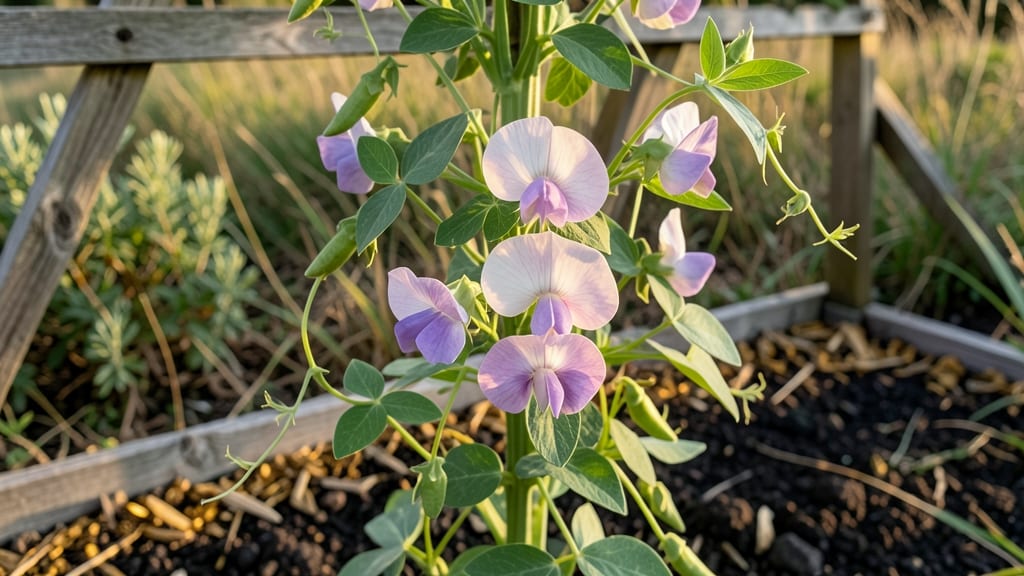
Sweet peas bloom in 60 to 90 days after planting, turning your garden into a fragrant paradise 🌸 with the right timing.
But here’s the catch: Plant them too early, and frost will nip those delicate blooms before they even open. Too late, and you’ll miss the peak fragrance window. The secret lies in matching your zone to the right planting window—whether you’re in chilly Zone 6a or a warmer region.
In this guide, I’ll break down the exact bloom timelines by climate zone, plus pro tips to extend those fragrant blooms all summer long. From deadheading to companion planting, you’ll learn how to keep your sweet peas flowering like clockwork.
Ready to turn your garden into a sensory explosion? Let’s dive into the best months to plant, the fastest-blooming varieties, and how to coax every last bloom from your vines.
Sweet pea bloom time by USDA climate Zones: when to plant for longest flowering
Sweet peas thrive when planted at the right time, but their bloom windows vary dramatically across USDA climate zones. In cooler zones (3-7), early spring planting yields summer blooms, while warmer zones (8-11) can enjoy winter-to-spring flowers.
The key? Aligning your sowing schedule with frost dates and heat tolerance limits to maximize fragrance and color.
Most gardeners focus on annual sweet peas, but perennial varieties (like 'Perennial Sweet Pea') also exist, though they're rarer. Annuals dominate because they offer longer bloom seasons when planted strategically.
For example, in Zone 5, a late-May sowing can produce blooms until frost, while Zone 9 gardeners might plant in fall for winter flowers.
Frost sensitivity is critical: Sweet peas won't survive below 20°F. In northern zones (3-6), start seeds indoors 8-10 weeks before last frost to get a head start. Southern gardeners in Zones 8-11 must avoid summer heat (above 85°F), which causes bud drop and stunted growth.
| USDA Zone | Ideal Planting Window | Bloom Time | Frost Notes | Heat Tolerance |
|---|---|---|---|---|
| 3-4 | Indoors: Feb-Mar Outdoors: May |
July-Sept | Hardy to 15°F; protect young plants | Moderate; avoid summer heat |
| 5-6 | Indoors: Mar-Apr Outdoors: Apr-May |
June-Oct | Hardy to 20°F; mulch for winter | Moderate; provide afternoon shade |
| 7-8 | Outdoors: Sept-Oct (fall) Feb-Mar (spring) |
Spring & Fall | Tender; protect from light frost | Low; avoid summer heatwaves |
| 9-10 | Fall: Sept-Oct Winter: Jan-Feb |
Winter-Spring | Sensitive; use row covers | Very Low; mulch heavily |
| 11 | Fall: Aug-Sept Winter: Dec-Jan |
Winter-Early Spring | Extreme sensitivity; grow in containers | None; avoid summer planting |
In Zones 3-4, where winters are harsh, focus on early spring sowing (March-April) for summer blooms. Use black plastic mulch to warm soil faster and extend the season. For Zones 5-6, stagger plantings every 2-3 weeks from April to June to create a continuous bloom display until frost.
Southern gardeners in Zones 7-11 have unique opportunities. Plant fall-sown seeds in September-October for winter blooms (November-March), then repeat in January-February for spring flowers. In Zone 11, treat sweet peas as cool-season annuals—they’ll bolt in summer heat, so avoid planting after June.
For perennial sweet peas, limit planting to Zones 5-8. They establish roots in their first year but may take 2-3 years to reach peak bloom time. In Zone 5, plant in late May to
How to extend sweet pea bloom time: pruning, deadheading, and succession planting tips
Sweet peas are famous for their stunning blooms and heavenly fragrance, but their flowering season can feel short if you don’t take action. By mastering a few simple techniques, you can extend bloom time by 4-6 weeks—or even longer!
The key lies in pruning, deadheading, and succession planting, combined with the right care routine.
Deadheading—removing spent blooms—is the easiest way to encourage new flowers. Sweet peas are self-cleaning to some degree, but regular deadheading (every 2-3 days) redirects energy from seed production back to blooming. This method works best when paired with consistent watering and light fertilization.
- Deadhead daily: Snip off faded blooms below the first leaf to prevent seed formation and encourage new buds.
- Prune leggy stems: Trim back overly long vines by 1/3 to improve airflow and reduce stress on the plant.
- Use organic fertilizer: Apply a balanced 10-10-10 fertilizer every 4-6 weeks during peak bloom for sustained energy.
- Water deeply in AM: 1-2 inches weekly keeps roots hydrated without promoting fungal diseases.
- Succession plant every 2 weeks: Stagger sowings to overlap bloom cycles and maintain continuous fragrance.
For climbing varieties like 'Cupani' or 'Spencer', pruning isn’t just about aesthetics—it’s about plant health. Overgrown vines can become woody and less productive. Use clean, sharp shears to trim back tangled or diseased sections in early summer, focusing on outer growth to maintain a bushy shape.
Succession planting is a game-changer for continuous blooms. Instead of sowing all seeds at once, space out plantings every 2-3 weeks throughout spring and early summer. This ensures fresh blooms as older plants fade, creating a non-stop floral display from late spring to fall.
Organic fertilizers like fish emulsion or compost tea provide gentle, long-lasting nutrition without burning tender roots. Apply them in the early morning when soil is cool, and always water afterward to prevent salt buildup around the roots.
With these techniques, your sweet peas will reward you with longer bloom times, richer fragrance, and healthier vines. The secret? Stay proactive—a little effort now means months of stunning flowers later. 🌸