
Blooming
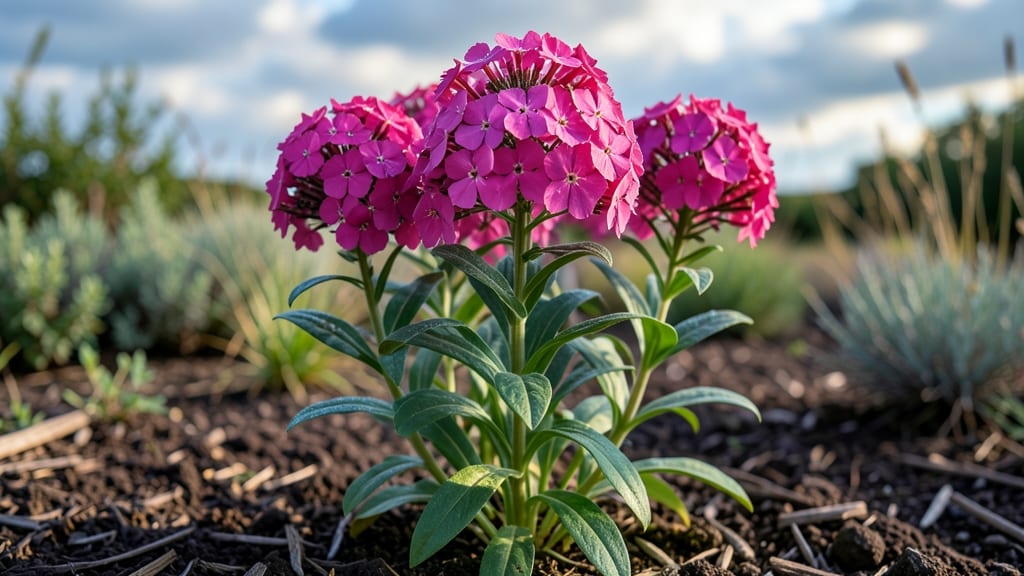
Tall phlox blooms in mid-to-late summer 🌸, but the exact timing depends on your climate zone and how you care for it.
If you’ve ever wondered why your tall phlox blooms seem to arrive late—or disappear too soon—understanding the climate-zone bloom time is the key to unlocking year-round color.
In USDA Zone 6a, where many gardeners grow tall phlox, the blooms typically start in early July and last through August, but cooler springs or hot summers can shift that window by weeks.
Below, I’ll share how to predict your phlox’s bloom time based on your zone, plus simple tricks to extend its vibrant display from June to September—no green thumb required.


Tall phlox bloom time by USDA climate zone: exact months to expect flowers
Tall phlox (Phlox paniculata) is a garden superstar that thrives in mid-to-late summer, but its exact bloom window depends heavily on your USDA climate zone. In cooler zones like 3-5, expect blooms to arrive earlier, while warmer zones 7-9 may see delayed or prolonged flowering.
Understanding these patterns helps you plan for season-long color and avoid disappointment when buds fail to open on schedule.
Altitude also plays a critical role—plants at 5,000+ feet often bloom 2-3 weeks earlier than those at sea level, even in the same zone.
For example, a Zone 6 garden in Colorado might see tall phlox in late June, while a Zone 6 garden in Ohio could expect blooms in early July. These variations make timing your garden’s peak display both an art and a science.
Cold snaps can delay blooming, especially in Zones 3-5, while heatwaves in Zones 7-9 may cause buds to drop before opening. Learning how to protect your plants and adjust care based on your local microclimate ensures your tall phlox puts on its best show. Let’s break down the exact months to expect flowers in each zone, plus regional tweaks to keep your garden vibrant.
In Zones 3-4, tall phlox often blooms earliest due to cooler temperatures, with flowers appearing as early as late June. These northern gardens benefit from early spring planting and heavy mulching to protect roots from late frosts.
If you’re in the Pacific Northwest, expect blooms to arrive 1-2 weeks sooner than the average zone timeline, thanks to cooler summers and consistent rainfall.
For Zones 5-6, the classic tall phlox bloom window spans early July to mid-September, making it a staple for summer-to-fall color. In the Southeast, humidity and mild winters can extend blooms into October, while Midwest gardens may see a shorter display due to earlier frost.
To maximize your blooms, deadhead spent flowers weekly and avoid over-fertilizing with nitrogen, which promotes leafy growth over flowers.
Gardeners in Zones 7-8 often face the challenge of heat stress, which can cause buds to drop before opening. In these zones, tall phlox typically blooms from mid-July to late September, but providing afternoon shade during heatwaves can preserve buds and prolong the season.
California gardens, for example, may see late-season blooms in fall, while humid Southern states might experience shorter displays due to fungal pressure.
Zone 9 is unique because tall phlox can bloom year-round with proper care, though peak displays occur from late June to early October. In Florida or coastal regions, you might even see winter blooms if you protect plants from frost.
To keep your Zone 9 phlox thriving, water deeply
How to extend tall phlox bloom time: pruning, deadheading, and soil tricks
Tall phlox (Phlox paniculata) rewards gardeners with dramatic spikes of color, but their bloom time can feel disappointingly short. The secret to extending that show lies in a few simple yet strategic techniques.
Whether you want to delay blooms for spring color or prolong fall displays, the right approach depends on your USDA zone and growing conditions. Let’s unlock the tricks that keep your phlox blooming longer.
First, understand that phlox bloom time hinges on three key factors: pruning timing, deadheading frequency, and soil nutrition. Skimp on any of these, and you’ll miss out on weeks—sometimes months—of vibrant flowers.
For example, in Zone 5, early pruning can push blooms into June, while in Zone 8, strategic deadheading might stretch them into October. The right balance keeps your phlox thriving.
- 1
- 2
- 3
- 4
- 5
One of the most common mistakes is over-pruning in late summer, which can cut off next year’s blooms. Instead, focus on selective deadheading to keep flowers coming.
For example, in Zone 6, I deadhead faded blooms every 3-4 days during peak season (July-August) and watch new buds form within 10-14 days. The key is consistency—phlox responds best to regular maintenance rather than sporadic efforts.
Soil plays a critical role in bloom duration. Tall phlox thrives in well-draining, slightly acidic soil (pH 6.0-7.0). If your soil is clay-heavy, mix in compost or sand to improve aeration.
In sandy soils, add organic matter like peat moss to retain moisture. I’ve seen phlox in amended soil bloom 2-3 weeks longer than in unamended beds, thanks to better nutrient uptake.
Light exposure is another game-changer. While tall phlox loves full sun, too much intense afternoon heat (common in Zones 7-9) can cause buds to drop prematurely. A trick I use is planting phlox near taller perennials or trees to provide dappled shade in the hottest hours.
This keeps stems cool while still ensuring 6+ hours of morning sun, which is essential for bud formation.
Finally, timing your fertilizer applications makes all the difference. A mid-summer feed (around July 1st) gives phlox the phosphorus boost it needs for late-season blooms. I avoid fertilizing after August 15th in cooler zones (3-6) to prevent tender new growth from being damaged by frost.
In warmer zones (7-9), a light feed in early September can coax a second flush of blooms before winter.