
Blooming
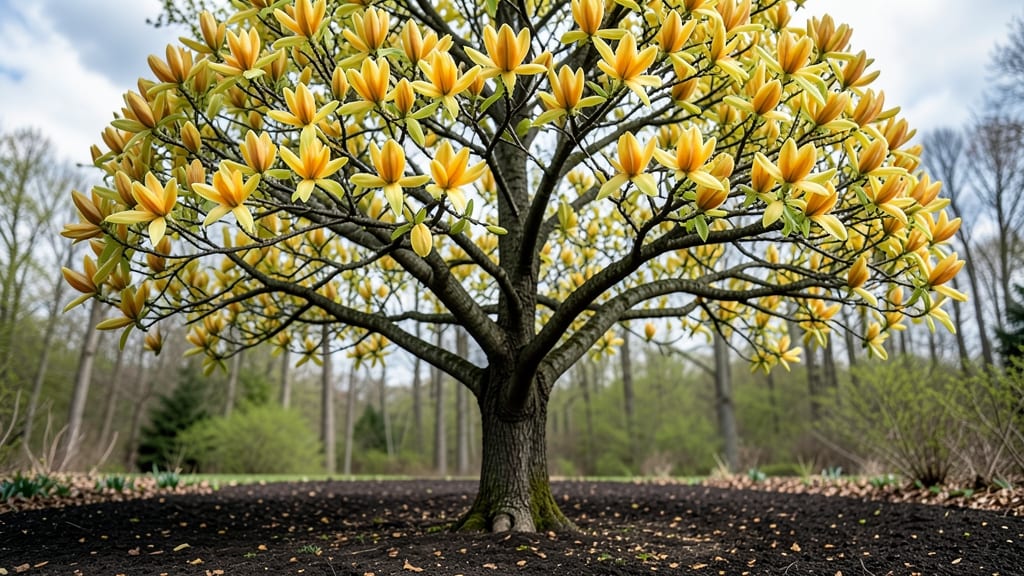
The tulip poplar bloom time is a breathtaking sight in early spring 🌳, typically between late March and April, when its showstopping flowers steal the show before the leaves even fully unfurl.
If you’ve ever wondered why tulip poplars steal the show in spring with their vibrant blooms, timing is everything—miss the window, and you’ll be left admiring their leaves instead. These majestic trees transform landscapes overnight, but when exactly do tulip poplar blooms peak, and what should you watch for?
While the bloom time is predictable, regional differences matter. In warmer zones like Zone 7, flowers may appear as early as February, while colder areas like Zone 6a might see them linger into May. Climate, sunlight, and even last year’s growth can shift the schedule by weeks.
Here’s what you’ll discover: how to spot the first signs of blooms, why foliage often overshadows the flowers, and simple tips to extend their stunning display—so you never miss the magic again.
Tulip poplar bloom time: exact months and regional variations
Tulip poplars (Liriodendron tulipifera) burst into bloom with their iconic tulip-shaped flowers, but the exact timing depends on your USDA hardiness zone and local climate.
In most regions, blooms appear between late March and early May, but northern gardeners may see them as late as June due to cooler temperatures. Understanding these variations helps you plan landscape highlights and avoid missing the stunning yellow-green floral display.
The first frost date in fall and last frost date in spring are critical predictors. Tulip poplars need a chill period of at least 1,000 hours below 45°F to trigger blooming. Warmer winters can delay or reduce flower production, while a cold snap in early spring might push blooms earlier.
For example, in Zone 5, blooms often peak in mid-April, while in Zone 8, they may start as early as February.
Here’s how to predict peak bloom years: Monitor winter temperatures and spring rainfall. A mild winter followed by a wet spring typically results in earlier and more abundant blooms.
Conversely, drought stress or late frosts can stunt flower development. Keep a garden journal to track patterns—over time, you’ll spot trends in your specific microclimate.
Regional microclimates play a huge role. For instance, tulip poplars in Pacific Northwest gardens often bloom 2-3 weeks earlier than those in the Midwest due to milder coastal winters. Even within a zone, elevation matters—mountainous areas may see blooms 3-4 weeks later than valley floors.
To refine your predictions, check local Cooperative Extension Service data or use a garden climate zone map for hyper-local insights.
If you’re in a warmer zone (7-10), consider planting tulip poplars in partially shaded areas to extend bloom duration. These trees thrive in full sun but can handle morning shade, which reduces heat stress on flowers.
In colder zones (3-6), choose a south-facing location to maximize sunlight absorption and hasten bloom timing.
Pro tip: Young tulip poplars (under 10 years old) may not bloom annually. Patience is key—they often produce their first flowers between ages 5 and 15, depending on growing conditions.
Once established, healthy trees bloom reliably, but drought or poor soil can delay or reduce flowering. Amend soil with compost and mulch annually to encourage vigorous growth and abundant blooms.
Don’t confuse tulip poplar flowers with their heart-shaped leaves—the blooms are the real showstopper! While leaves provide year-round interest, the 4-inch tulip-shaped flowers with their yellow-green petals and orange centers are what draw crowds.
Plan your garden tours around bloom time, and you’ll have visitors marveling at your spring spectacle for years to come.
For gardeners in transition zones (6-7), where winters are unpredictable, mulch heavily in fall to insulate roots. This helps regulate soil temperature and ensures consistent bloom timing. If you notice fewer blooms one year, it’s often a sign of environmental stress—adjust care accordingly to restore peak performance.
🌳
How to identify tulip poplar blooms: key visual clues and mistakes to avoid
Tulip poplar blooms are often overlooked because most people focus on their striking foliage instead. These trees produce showy, tulip-shaped flowers that appear before the leaves unfurl, creating a breathtaking early spring display.
The blooms are typically yellow-green with six petal-like tepals, resembling tulips but much larger—often 1 to 2 inches wide. If you’ve missed the bloom window, don’t worry: I’ll show you how to spot them early and avoid common misidentifications.
One of the biggest mistakes gardeners make is confusing tulip poplar blooms with magnolia flowers or even early spring crocuses. Tulip poplars bloom on bare branches, while magnolias often have buds forming alongside leaves.
The key is to look for pendulous flower clusters hanging from the branches before leaves emerge. These blooms also emit a subtle, sweet fragrance, though it’s not as strong as magnolias.
🚨
Tulip poplars bloom for only 1 to 2 weeks in early spring (typically March to early April in most regions). Miss this window, and you’ll spend years admiring their leaves without ever seeing the stunning flowers. Mark your calendar for the last frost date in your area—blooms usually appear 2 to 4 weeks after frost.
Pro Tip: Check for bud swell on branches in late winter. Swollen buds indicate imminent blooming, giving you a 1-week heads-up.
To distinguish tulip poplar blooms from other trees, focus on three key features: flower shape, bloom location, and leaf timing. The flowers are cup-shaped with pointed tepals, unlike the rounded blooms of yellow poplar (their close relative).
Additionally, tulip poplar blooms hang downward from the branches, while yellow poplar flowers are more upright. Leaves emerge after blooming, unlike many ornamental trees that bloom with or after foliage.
Another common mistake is assuming tulip poplars bloom annually. While they do, young trees (under 10 years old) may produce fewer flowers. If you’re unsure whether your tree is blooming, look for small, green seed pods forming after the flowers fade—these confirm it’s a tulip poplar.
These pods resemble tiny, elongated tulips and are a dead giveaway if you’re still unsure.
Seasonal color shifts can also trick gardeners. Tulip poplar blooms start as pale yellow-green but darken to a richer green as they age. This change often happens within 3 to 5 days, so timing your observations is crucial.
If you see blooms that are already dark green, you’ve likely missed peak bloom by a week. For the best viewing, check your tree daily in the morning when blooms are freshest and most vibrant.
If you’re still struggling to identify tulip poplar blooms, try this trick: Compare them to a tulip bulb. Hold a tulip poplar bloom up to a real tulip—you’ll notice the similar shape but larger size.
The petals are also more waxy and slightly fuzzy to the touch, a trait that sets them apart from other early spring bloomers. With these clues, you’ll never miss tulip poplar season again!