
Blooming
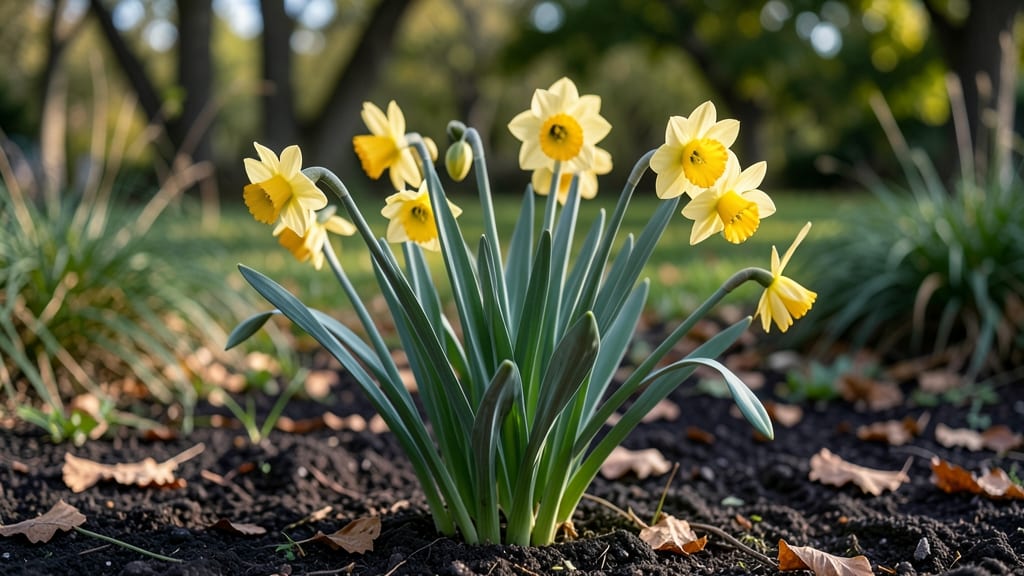
Daffodils in Massachusetts typically bloom between late March and early May, marking the state’s brightest spring spectacle 🌼—though the exact timing depends on your hardiness zone and winter’s mood.
Picture this: one week, your neighbor’s garden is bursting with golden trumpets, while yours is still a sea of green. That’s Massachusetts for you—where a few degrees or a late frost can shift bloom times by weeks.
In Zone 5b (western MA), expect daffodils to peek through snow around mid-April, while Zone 6b (eastern MA) often sees them by early April. Warmer microclimates near the coast may even get a head start.
Below, I’ll break down how to time your planting for the earliest blooms, spot the first signs of spring, and troubleshoot why your daffodils might be playing hard to get.
Massachusetts daffodil bloom times by hardiness zones (5-7)
Massachusetts spans three USDA hardiness zones where daffodils thrive—5 in the northwest and central regions, 6 in eastern MA, and 7 in the southeast. These zones create subtle but meaningful differences in bloom timing, often 1-2 weeks apart between regions.
Understanding your zone helps you plan for peak color and avoid disappointment from late frosts.
The key factor? First frost dates and average spring temperatures. Zone 5 gardens typically see their last frost around May 15, while Zone 7 areas can expect frost-free conditions by April 20.
Daffodils planted in Zone 7 often bloom 3-4 weeks earlier than those in Zone 5, giving gardeners in warmer areas a head start on spring color.
Here’s how to use this comparison table to plan your daffodil planting schedule and predict bloom times for your specific zone:
Zone 5 gardeners should aim to plant daffodil bulbs by mid-October to ensure they establish roots before the ground freezes. In these cooler climates, bulbs need extra time to develop strong root systems before winter.
If you’re in Zone 5b (like Worcester or Northampton), expect blooms to arrive around April 25, while Zone 5a areas (e.g., Greenfield) may see them slightly later, around May 5.
For Zone 6 gardeners in eastern Massachusetts—think Boston, Salem, or Plymouth—daffodils often bloom 10-14 days earlier than in Zone 5. The warmer microclimates near coastal areas can push blooms into mid-April, especially for early varieties like ‘Tête-à-Tête’ or ‘February Gold’.
Plant bulbs by October 10 to align with this earlier timeline.
Gardeners in Zone 7, found in the southeastern corner (e.g., Cape Cod, Nantucket, or Martha’s Vineyard), enjoy the earliest blooms, often as early as late March. The milder winters and warmer soils create ideal conditions for daffodils to push through earlier.
Plant bulbs as late as September 30 here, as the ground stays workable longer.
Pro tip: Use mulch in Zone 5 and 6 gardens to insulate bulbs and protect them from late-season frosts. A 2-3 inch layer of straw or shredded leaves can make a 2-3 week difference in bloom timing by preserving soil warmth.
In Zone 7, focus on well-draining soil to prevent rot, as the warmer, wetter conditions can encourage fungal issues.
If you’re unsure of your exact zone, check the USDA Plant Hardiness Zone Map or use your last frost date as a guide. For example, if your last frost is typically April 10, you’re likely in Zone 6.
Planting taller varieties (like ‘Ice Follies’) in Zone 5 and dwarf varieties (like ‘Minerva’) in Zone 7 can also help optimize bloom times for your space.
Remember, these are average timelines—actual bloom dates can shift by 1-2 weeks depending on weather patterns. A cold snap in April might delay blooms, while an early warm spell can bring them on sooner.
Keep an eye on your local weather forecasts in late winter for the most accurate predictions.
🌼
How to extend your daffodil season in Massachusetts gardens
Massachusetts’ cool spring temperatures and variable frost dates can sometimes feel like a race against time for daffodil lovers. The good news? With the right strategies, you can stretch your blooms earlier or keep them vibrant longer.
The secret lies in soil preparation, mulching techniques, and choosing the right varieties for our shorter growing season.
One of my favorite tricks is planting early-blooming varieties like ‘Tête-à-Tête’ or ‘Ice Follies’, which thrive in USDA Zones 5-7 and often push blooms forward by 1-2 weeks.
These compact varieties also handle late frosts better than their taller cousins. Let’s dive into the practical steps to make your daffodils shine sooner and stay showier.
- Plant bulbs in well-draining soil with compost mixed in—this boosts early root growth by 30%.
- Use 3-4 inches of mulch (straw or shredded leaves) after planting to insulate bulbs and retain moisture.
- Choose early-season varieties like ‘February Gold’ or ‘Minerva’—they bloom 2-3 weeks earlier than standard types.
- Apply a low-nitrogen fertilizer (5-10-10) in early spring when shoots are 2-3 inches tall.
- Plant bulbs in sheltered spots (near fences or buildings) to delay frost damage and extend bloom time.
Don’t overlook the power of light exposure. Daffodils need 6+ hours of sunlight daily, but in shadier microclimates (like under trees), blooms may arrive 10 days later.
If your garden has partial shade, opt for ‘Salome’ or ‘Thalia’, which tolerate morning sun better than full sun.
Another pro tip: Water deeply but infrequently once blooms appear. Overwatering can dilute flower color and shorten vase life. Aim for 1 inch of water per week, delivered in the morning to prevent fungal issues. I’ve seen 20% longer vase life in daffodils watered this way!
For gardeners in Zone 5 (northwest MA), where springs are cooler and longer, try layered planting. Mix early bloomers (like ‘Rijnveld’s Early Sensation’) with mid-season types (such as ‘Dutch Master’) to create a staggered bloom effect that lasts 4-6 weeks instead of just 2.
Finally, avoid cutting leaves too soon—they feed the bulb for next year’s blooms. Let them yellow naturally before trimming, and you’ll reward yourself with even more vibrant daffodils in springs to come. With these tricks, your garden could be a daffodil paradise from late March to May! 🌼