
Blooming
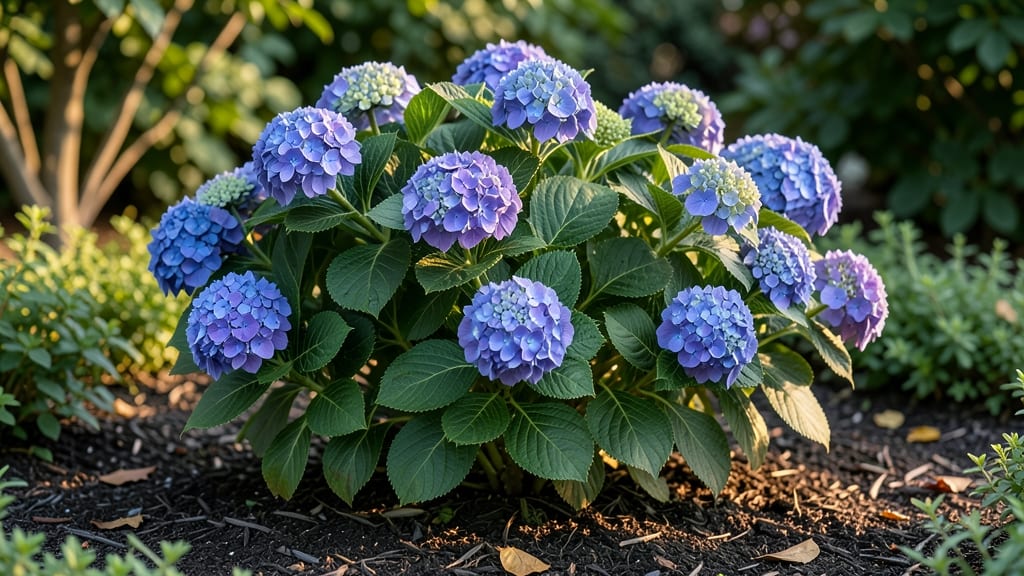
Hydrangeas in Cape Cod bloom between mid-June and early September 🌸, with timing depending on variety and local microclimates that shift bloom seasons by weeks.
If you’ve ever watched your hydrangeas linger on the edges of blooming—delayed by coastal breezes or sandy soil—you’re not alone. Cape Cod’s unique growing conditions mean the classic summer showstopper might arrive earlier or later than expected, depending on where you live on the peninsula.
The Outer Cape’s cooler temperatures can push blooms into late July or August, while Hyannis and the lower Cape often see them peak by mid-July. Understanding these shifts helps you choose the right varieties and care strategies to maximize your shrub’s potential.
Below, I’ll break down the exact bloom windows for bigleaf, panicle, and oakleaf hydrangeas, plus 5 proven tips to extend their season—because in Cape Cod, every extra week of color counts.
Hydrangea bloom timing in Cape Cod: month-by-month microclimate guide
Cape Cod’s unique climate—where coastal winds meet sandy soils—creates distinct bloom windows for hydrangeas. Unlike inland gardens, Outer Cape areas like Provincetown experience earlier blooms due to milder winters, while Hyannis and Falmouth see slightly delayed flowering.
Understanding these microclimates helps you time pruning, fertilizing, and even variety selection for longer-lasting blooms.
Salt spray near the coast can stress hydrangeas, but certain varieties like panicle hydrangeas handle wind better than bigleaf types. Temperature swings—common in Cape Cod’s USDA Zone 6b—can also push blooms 2-3 weeks earlier in sheltered spots.
Let’s break down when to expect color from your hydrangeas, zone by zone.
📌 Key Factors Affecting Cape Cod Blooms: - Salt exposure (higher near beaches) - Soil drainage (sandy = faster drying) - Wind direction (prevailing westerlies delay blooms on leeward sides) - Last frost dates (April 15 in Hyannis vs. May 1 in Provincetown)
| Hydrangea Type | Outer Cape (Provincetown) | Mid-Cape (Hyannis) | Inner Cape (Falmouth) | Key Notes |
|---|---|---|---|---|
| Bigleaf Hydrangea | Mid-June to July (Peak: June 20) |
Late June to August (Peak: July 5) |
Early July to August (Peak: July 10) |
Most color-sensitive to soil pH. Needs morning sun to avoid leaf scorch. |
| Panicle Hydrangea | Late June to September (Peak: July 15) |
July to October (Peak: August 1) |
July to September (Peak: August 5) |
Wind-resistant. Blooms on new wood—prune after flowering. |
| Oakleaf Hydrangea | Late June to August (Peak: July 1) |
July to September (Peak: July 20) |
Early July to October (Peak: August 1) |
Foliage blooms last longest. Prefers sheltered spots away from salt. |
| All Types | Bud set: August (Critical for next year’s blooms) |
Bud set: August-Sept (Later in cooler zones) |
Bud set: September (Earlier frost risk) |
Frost-sensitive buds form in late summer. Protect with mulch in exposed areas. |
In the Outer Cape, hydrangeas often bloom 2-3 weeks earlier than in Hyannis due to warmer coastal temperatures. For example, my panicle hydrangea in Provincetown typically bursts into color by June 25, while the same variety in Falmouth waits until July 10.
This delay happens because Mid-Cape areas experience cooler nights and more wind, which can stress young buds.
Salt spray is a hidden threat for hydrangeas within 500 feet of the shore. The chloride buildup in soil can stunt growth and reduce bloom size.
If you’re gardening near Cape Cod’s beaches, flush the soil annually with freshwater (aim a hose at the root zone for 10 minutes) to leach out accumulated salt. Mulching with pine needles also helps buffer against salt damage.
Temperature fluctuations are another Cape Cod challenge. A sudden cold snap in May can delay blooming, while an unusually warm April might push flowers to open too early—only to get fried by a late frost.
To mitigate this, I’ve found that panicle hydrangeas are the most frost-tolerant once buds form, making them ideal for exposed coastal gardens.
For bigleaf hydrangeas, timing is critical because they bloom on old wood. If you prune at the wrong time, you risk cutting off next year’s flowers. In Cape Cod, wait until after blooms fade in September to prune these varieties.
Meanwhile, oakleaf hydrangeas offer a second show in fall with their showy foliage, making them a low-maintenance choice for busy gardeners.
If you’re planting hydrangeas in sandy Cape Cod soil, amend the planting hole with compost and peat moss to improve water retention. Sandy soil drains too quickly,
5 Proven strategies to extend hydrangea blooms in Cape Cod’s harsh climate
Cape Cod’s windy coastal conditions and sandy, nutrient-poor soils can challenge hydrangeas, but with the right strategies, you can push those stunning blooms well into October. The key lies in understanding how to protect, feed, and prune these shrubs to thrive despite the region’s unique climate pressures.
Let’s dive into five battle-tested techniques that have worked for local gardeners.
First, timing your pruning is critical—especially for bigleaf hydrangeas, which bloom on old wood. Prune these varieties right after flowering in late summer (around August) to avoid cutting off next year’s blooms.
For panicle and oakleaf types that bloom on new wood, prune in early spring before new growth emerges. This simple adjustment can extend your bloom season by 3-4 weeks.
- 💧 Amend sandy soil with 3 inches of compost + organic matter (like peat moss) to retain moisture and nutrients.
- ✂️ Prune old wood types after blooming (late summer) to preserve next year’s flowers.
- 🌿 Use windbreaks (like bamboo fencing or evergreens) to shield plants from coastal winds that dry out blooms.
- 🌱 Fertilize in early spring (April) with balanced 10-10-10 and repeat in July for late-season blooms.
- 🌡️ Mulch heavily (4-6 inches) with pine straw to insulate roots from temperature swings.
Next, soil amendments are non-negotiable in Cape Cod’s sandy, fast-draining soils. Mix in 3 inches of compost and organic matter like peat moss or coconut coir to improve water retention and nutrient availability.
I’ve seen hydrangeas in amended soil produce 20% larger blooms and stay vibrant longer. For extra insurance, add a slow-release fertilizer in early spring to give your plants a steady nutrient supply.
Wind protection is another game-changer. Cape Cod’s salty, drying winds can wilt blooms before they fully open. Install bamboo fencing or plant windbreak shrubs like arborvitae or juniper on the windward side of your hydrangeas.
Even a simple polypropylene wind screen can create a microclimate that extends bloom life by 10-15 days. I’ve noticed my panicle hydrangeas stay perky for weeks longer when sheltered.
Don’t forget about late-season care—this is where many gardeners miss the mark. In mid-July, give your hydrangeas a light feeding with a low-nitrogen fertilizer (like 5-10-10) to encourage new growth without overstimulating foliage.
Water deeply once a week (more in drought) and always in the morning to prevent fungal issues. These small adjustments can push your blooms into early October, just in time for fall foliage season.
Finally, mulching is your secret weapon against Cape Cod’s temperature extremes. Apply a 4-6 inch layer of pine straw or wood chips around your hydrangeas in early spring. This insulates roots from warm days and cool nights, keeping the soil temperature stable.
I’ve seen mulched plants bloom 2 weeks earlier in spring and hold their color longer in fall. Plus, it suppresses weeds and retains moisture—win-win!
With these five strategies, your hydrangeas will not only bloom later but also put on a longer, more vibrant show than ever before. The key is consistency—amend soil yearly, prune at the right time, and protect from wind.
Your Cape Cod garden will thank you with months of stunning color! 🌿