
Blooming
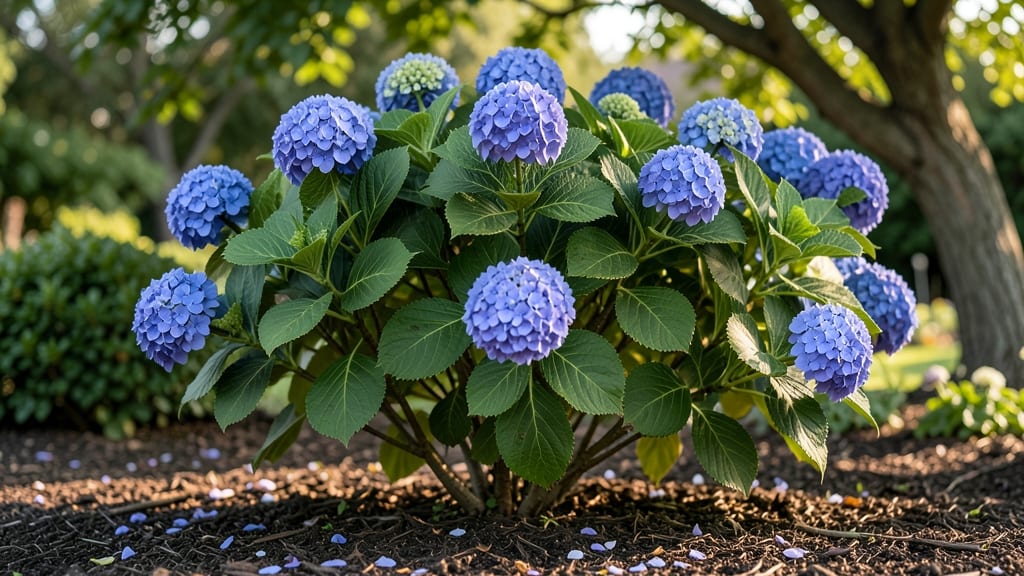
Hydrangeas in Indiana bloom between late May and July, with your exact timing depending on whether you’ve planted bigleaf 🌸 or panicle varieties—and whether you’re in northern or southern Indiana.
Indiana’s hydrangea lovers know timing is everything—miss the bloom window, and you’ll be left staring at empty bushes instead of lush, vibrant blooms. But with Indiana’s unique microclimates, predicting the exact bloom season can be tricky.
Bigleaf hydrangeas (like the classic Endless Summer) typically kick off in late May to early June, while panicle types (such as Limelight) often wait until June or even July to show off their dramatic clusters.
Here’s how to time it perfectly: I’ll break down the month-by-month bloom windows for your region, plus 5 pro tips to extend the season—so you’re not left waiting for those showstopping blooms to arrive.
Indiana hydrangea bloom timing: month-by-month microclimate breakdown
Indiana’s hydrangeas thrive in USDA Zones 5-6, but bloom timing varies dramatically between northern and southern regions due to microclimates. Northern Indiana’s cooler climate delays blooms by 2-3 weeks compared to southern Indiana’s warmer zones. Understanding these differences helps you plan for peak bloom color and avoid disappointment.
Most hydrangeas in Indiana bloom between mid-May and early July, but Hydrangea macrophylla (like Endless Summer) often starts in late May, while Hydrangea paniculata (like Limelight) may not peak until June or July.
Soil warmth and last frost dates are your best predictors—warmer microclimates near rivers or urban areas can push blooms 10 days earlier.
Key factors influencing bloom timing include:
- Last frost date: Northern Indiana averages April 20, while southern Indiana sees frost by April 10.
- Soil temperature: Hydrangeas need soil at 55°F+ to break dormancy.
- Variety type: Macrophylla blooms on old wood, paniculata on new wood.
In northern Indiana, hydrangeas like Endless Summer often start blooming in late May after soil temperatures stabilize above 55°F. These varieties are old-wood bloomers, meaning buds form on previous year’s growth.
A late frost in April can damage emerging buds, so monitor local frost forecasts from the National Weather Service.
Southern Indiana gardeners enjoy earlier blooms, with some Hydrangea paniculata varieties like Limelight showing color as early as mid-May. These new-wood bloomers produce flowers on current year’s growth, making them more frost-resistant early in the season.
Plant them in sheltered microclimates near south-facing walls for 3-5 days earlier blooms.
June is the peak bloom month across Indiana, but timing varies by variety. Macrophylla types (like Nikko Blue) often reach their maximum color intensity in late June, while paniculata varieties (like PeeGee) continue developing new blooms through July.
To extend the season, prune paniculata types in late winter to encourage longer stems with more buds.
July marks the tail end of the bloom season for most Indiana hydrangeas, especially in northern regions. By mid-July, many macrophylla varieties begin dropping blooms, but paniculata types like Quick Fire may still produce new flowers until early August. This is why mixed hydrangea gardens provide
5 Pro tips to extend your Indiana hydrangea bloom season
Indiana’s hydrangea lovers know that bloom timing can make or break your summer display. With Zone 5-6 winters and unpredictable spring frosts, extending your bloom season requires smart strategies.
The key is working with your local microclimate—not against it—to coax those vibrant blooms earlier or later than nature’s usual schedule.
Most hydrangeas in Indiana bloom between mid-June and August, but with the right techniques, you can push those colorful clusters to appear as early as late May or linger until early October.
The secret lies in pruning timing, mulching, and selecting the right cold-hardy varieties that thrive in Indiana’s climate.
🌸 5 Pro Tips for Extended Blooms
-
1. Prune at the Right Time
Cut back panicle hydrangeas in late winter (Feb-Mar) for earlier blooms. For bigleaf varieties, prune right after flowering to avoid sacrificing next year’s blooms. -
2. Mulch Like a Pro
Apply 3-4 inches of mulch in early spring to insulate roots from late frosts and retain moisture. Use shredded bark or straw mulch for best results. -
3. Choose Cold-Hardy Varieties
Opt for ‘Limelight’ or ‘Little Lime’ panicle hydrangeas—they bloom on new wood and handle Indiana’s Zone 5 winters beautifully. -
4. Feed for Longer Blooms
Apply a balanced fertilizer (10-10-10) in early spring and again after mid-summer to encourage second flushes of blooms. -
5. Protect from Late Frosts
Cover new growth with frost cloth if late spring frosts threaten. This buys 2-3 extra weeks of bloom time in Indiana’s unpredictable climate.
Don’t overlook the power of watering consistency—hydrangeas need 1-1.5 inches of water weekly to produce their best blooms. In Indiana’s humid summers, morning watering prevents fungal issues while keeping roots hydrated for longer-lasting flowers.
For bigleaf hydrangeas, adjust soil pH levels to change bloom colors—acidic soil (pH 5.5) produces blue blooms, while alkaline soil (pH 6.5+) yields pink flowers. Test your soil in early spring and amend with sulfur or lime as needed.
With these Indiana-specific tips, your hydrangeas will reward you with longer, more vibrant blooms—turning your garden into a summer showstopper. Start implementing these strategies this fall or winter for the best results next season! 🌿