
Blooming
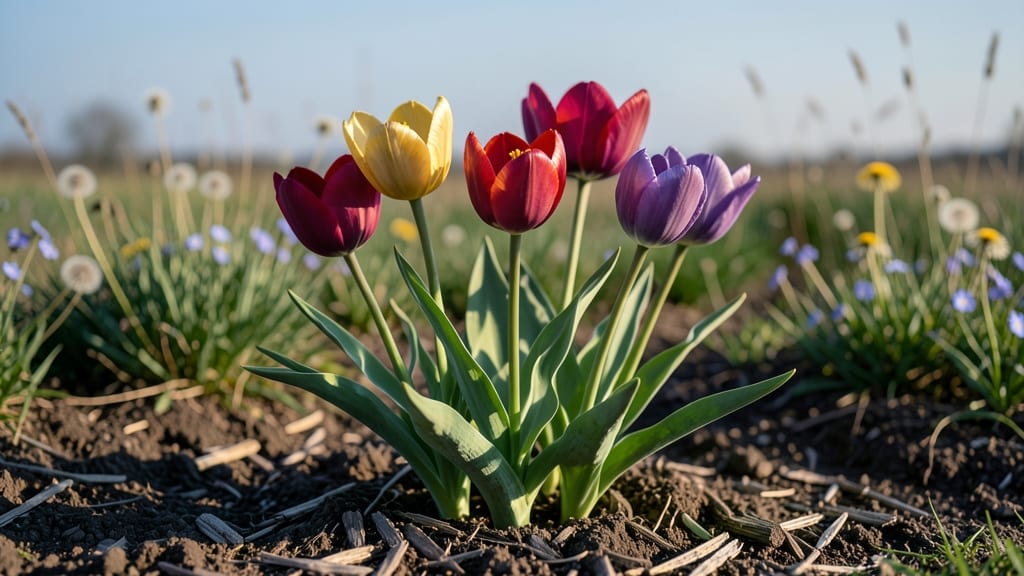
Tulips in Georgia bloom between mid-March and early April 🌷, with exact timing depending on your zone and the variety you choose.
Georgia gardeners know spring’s fleeting beauty—but timing your tulip planting just right means catching their breathtaking blooms before summer heat arrives. The Peach State’s diverse climate zones shift tulip timelines dramatically, and missing the window could leave you with wilted petals instead of vibrant displays.
In North Georgia (Zone 7a-7b), tulips often push through the soil by late February, while South Georgia (Zone 8a-8b) sees blooms closer to April. Microclimates—like shaded spots or urban heat islands—can push blooms earlier or later by two weeks or more.
Here’s how to align your planting with Georgia’s frost dates, pick heat-tolerant varieties, and stretch your tulip season from February through May—without sacrificing those showstopping 🌷 blooms.
Georgia tulip bloom times by USDA hardiness zones (7a-8b)
Georgia’s three USDA zones (7a, 7b, 8a) create dramatic differences in tulip bloom times—sometimes by weeks. In Zone 7a (North Georgia), tulips often bloom as early as late February, while Zone 8a (South Georgia) may see blooms stretching into mid-April.
Understanding these variations helps you choose the right varieties and planting times for your region.
Microclimates within cities like Atlanta (Zone 7b), Savannah (Zone 8a), and Augusta (Zone 8a) further refine bloom windows. For example, Atlanta’s urban heat islands can push blooms 5-7 days earlier than rural areas, while Savannah’s coastal influence may delay tulips by a similar margin.
Let’s break down the exact bloom windows for each zone.
Key factors affecting Georgia tulip bloom times include: - First frost dates (earlier in North Georgia) - Soil temperature (warmer in South Georgia) - Variety selection (early vs. late bloomers) - Planting depth (deeper in warmer zones)
For Zone 7a gardeners, early bloomers like 'Queen of Night' tulips often emerge in late February, while late varieties such as 'Apeldoorn' may not peak until early April. This 6-week window gives you flexibility to layer different varieties for continuous color.
Plant bulbs in October for optimal results—this timing ensures roots establish before winter while avoiding summer heat stress.
In Zone 7b (Atlanta), the city’s urban heat island effect can advance bloom times by 5-7 days compared to rural areas. To counteract this, consider planting tulip bulbs deeper (8 inches) or choosing heat-tolerant varieties like 'Red Emperor'.
These adjustments help tulips survive Atlanta’s 90°F+ springs and maintain vibrant blooms longer.
Zone 8a gardeners in Savannah and Augusta face the biggest challenge: warmer winters and hotter springs can cause tulips to bloom too early or struggle to rebloom. The solution? Focus on late-blooming varieties like 'White Dream' and plant bulbs in November instead of October. This delayed planting gives bulbs time to acclimate to heat before spring arrives.
Microclimates play a surprising role in Georgia tulip gardens. For example, north-facing slopes in Augusta may see tulips bloom 10 days earlier than flat areas, while low-lying spots near Savannah’s coast could delay blooms by a similar margin.
Use these natural variations to your advantage by planting earlier varieties in cooler microclimates and later varieties in warmer ones.
Pro tip: Mulch heavily (3-4 inches) after planting to insulate bulbs from temperature swings. In Zone 8a, use straw mulch—it reflects heat better than wood chips.
For Zone 7a, opt for pine straw to retain moisture during winter thaws. These simple adjustments can extend bloom times by 1-2 weeks across all zones.
If you’re planning a tulip-themed wedding or garden party, aim for late March in Zone 7b or early April in Zone 8a for peak blooms. For cut flowers, harvest stems when buds are just opening—this ensures 5-7 days of vase life.
Store cut tulips in cool water (35-40°F) to slow wilting during Georgia’s warm springs.
Remember: Tulips are biennial in Georgia’s climate, meaning they often bloom best the first year and may decline afterward. To encourage reblooming, fertilize with 5-10-10 after flowers fade and remove spent blooms but leave foliage until it yellows naturally.
This practice helps bulbs store energy for next year’s blooms.
How to extend tulip blooms in Georgia’s hot climate
Georgia’s 90°F+ springs can turn tulips into short-lived blooms, but with the right strategies, you can stretch their vibrant displays by 2-3 weeks. The key lies in timing, shade, and soil prep—all tailored to Georgia’s unique climate zones.
Even in Zone 8b, where heat arrives early, these tactics help tulips thrive longer.
First, plant bulbs early—between October 15 and November 1—to give roots time to establish before winter. This head start means bulbs can focus energy on blooming instead of struggling with summer heat. Pair this with heat-tolerant varieties like 'Darwin Hybrids' or 'Fosteriana' for extra resilience.
🌷
- 1 Plant bulbs in fall—October 15-November 1—for early blooms. 6-8 inches deep in well-draining soil prevents rot in Georgia’s humid springs.
- 2 Use afternoon shade in Zones 7b-8b. Install lightweight shade cloth (30-50%) or plant near tall perennials like daylilies to block 2-4 PM sun.
- 3 Amend soil with compost—20% compost to native soil—improves drainage and water retention. Georgia’s clay-heavy soils bake tulip roots without this prep.
- 4 Choose late-blooming varieties like 'Queen of Night' (April) or 'Red Emperor' (late March). These tolerate warmer springs better than early types.
- 5 Deadhead spent blooms but leave foliage until yellow. This ensures bulbs store energy for next year—critical in Georgia’s hot, humid summers.
For North Georgia (Zone 7a), focus on early planting and mulching. Spread 2-3 inches of straw mulch after blooming to insulate bulbs from spring heat spikes. In South Georgia (Zone 8b), prioritize shade and irrigation—water deeply once weekly during dry spells to prevent wilting.
Even with these steps, expect tulips to fade by mid-April in most of Georgia. To replenish your garden, interplant with late-blooming daffodils or alliums, which thrive in the same conditions and extend your spring color palette seamlessly.
🌿