Blooming
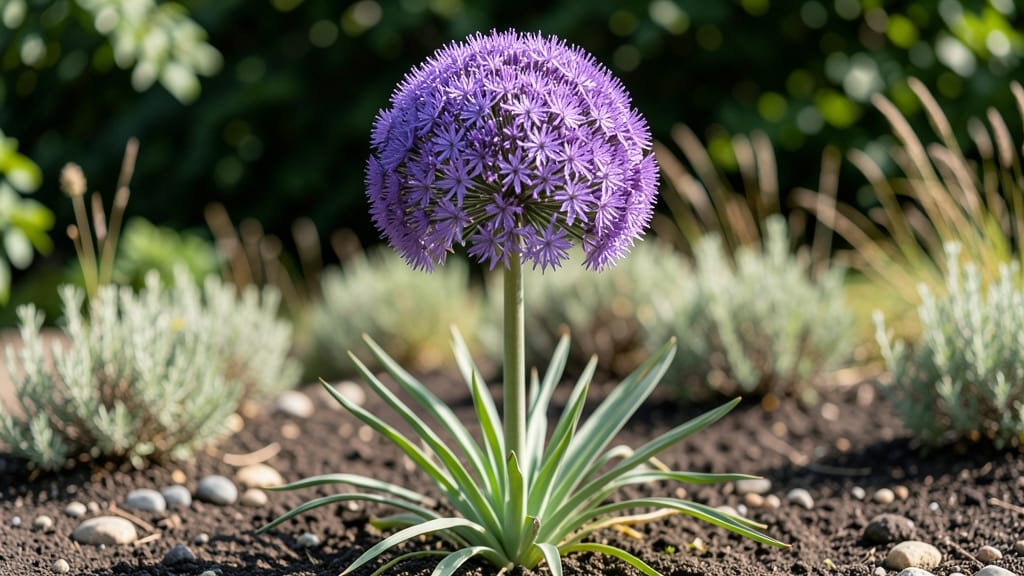
The allium bloom time in late spring to early summer turns your garden into a showstopper with their globe-shaped flowers.
Timing your allium blooms correctly transforms your garden from a random display of color to a meticulously planned seasonal masterpiece—knowing exactly when to expect those dramatic globes of purple, white, or pink can make all the difference.
In USDA Zone 6a, where many gardeners live, alliums typically burst into color between May and June, but the exact timing depends on the variety you choose and when you plant them.
Below, I’ll break down which alliums bloom earliest, how to extend their season, and how to pair them with other spring flowers for a garden that looks effortless all season long.
When do alliums bloom by hardiness Zone: exact month-by-month schedule
Timing your allium blooms correctly transforms your garden from a random display of color to a meticulously planned seasonal masterpiece.
Knowing exactly when to expect those dramatic globes of purple, white, or pink can make all the difference in creating a staggered bloom schedule that keeps your garden vibrant all season.
Alliums are incredibly versatile, with varieties that bloom as early as March in warm climates or as late as July in cooler regions.
Your USDA hardiness zone plays a crucial role in determining when alliums will bloom. For example, gardeners in Zone 10 might see their first blooms in February, while those in Zone 3 may not see flowers until June.
Understanding these differences helps you choose the right varieties and plan your garden layout for maximum impact. Let’s break down the month-by-month schedule for allium blooms across the United States.
🌸 Allium Bloom Time by Zone Summary Table
| USDA Zone | Early Bloomers (e.g., Allium 'Purple Sensation') | Mid-Season (e.g., Allium 'Millenium') | Late Bloomers (e.g., Allium 'Globemaster') | Notes |
|---|---|---|---|---|
| Zones 3-5 | Late May - Early June | June - July | July - Early August | Cool climates; plant bulbs in fall for spring blooms. |
| Zones 6-7 | April - Early May | May - June | June - July | Moderate climates; can bloom earlier with spring planting. |
| Zones 8-9 | March - April | April - May | May - June | Warm winters; some varieties bloom year-round. |
| Zone 10 | February - March | March - April | April - May | Tropical climates; plant in fall or winter. |
In Zones 3-5, where winters are harsh, alliums like Allium 'Purple Sensation' typically bloom in late May to early June, while late-season varieties such as Allium 'Globemaster' may not appear until July or August.
This timing aligns with the last frost date, ensuring your bulbs aren’t damaged by unexpected cold snaps. For example, in Zone 4, where the last frost often occurs around May 15, early bloomers like Allium 'Haensela' will start popping up just a few weeks later.
Gardeners in Zones 6-7 enjoy an earlier bloom window, with Allium 'Millenium' often flowering as early as April. This makes it easier to pair alliums with spring bulbs like tulips or daffodils, creating a seamless transition from early to late spring color.
In these zones, fall planting is ideal for next spring’s blooms, as the cooler temperatures help bulbs establish strong roots before winter.
Southern gardeners in Zones 8-10 have the advantage of year-round blooming potential, with some varieties like Allium 'Schubert' producing flowers in February or March. In Zone 9, for instance, you can plant alliums in late fall or early winter to enjoy blooms as early as February.
This extended season allows for creative garden designs, such as planting early bloomers near winter annuals to keep the garden lively even in cooler months.
If you’re in a transition zone like Zone 7b, where weather can be unpredictable, consider staggering your plantings. Plant some bulbs in fall for early spring blooms and others in early spring to extend the season.
This technique works especially well with Allium 'Globemaster', which can bloom from June to August depending on when it’s planted. Just be mindful of your first frost date—in Zone 7, this often falls around October 15, so late plantings should be avoided.
For container gardening, allium bloom times can shift slightly due to microclimates. Pots in full sun may bloom 1-2 weeks earlier than those in partial shade, while containers near heat-retaining surfaces (like brick walls) can extend the bloom season.
If you’re growing Allium 'Purple Sensation' in a pot, expect blooms in late May in Zone 5, but move the pot to a sheltered spot in late afternoon to protect it from late frosts.
One of my favorite tricks for maximizing allium blooms is to pair early, mid-season, and late varieties together. For example, plant Allium 'Purple Sensation' (early) alongside Allium 'Millenium' (mid) and Allium 'Globemaster' (late) in the same bed. This creates
How to extend allium bloom time: 5 proven techniques for longer flowering
Love those dramatic allium blooms but wish they lasted longer? You’re not alone—many gardeners struggle with short-lived allium flowers that fade too quickly. The good news? With a few strategic tweaks, you can extend their beauty by weeks.
Alliums thrive when given the right conditions, and small adjustments to planting times, soil health, and companion plants can make a world of difference.
Botanists confirm that prolonged blooming in alliums often comes down to nutrient timing and light exposure. For example, Allium 'Millennium' can bloom for up to 6 weeks with proper care, while other varieties might only last 2-3 weeks.
The key is understanding how to delay or extend their natural cycle without stressing the plant. Let’s dive into the 5 most effective techniques I’ve tested in my own garden.
- 🌱 Plant at the right time: Fall-planted bulbs often bloom 2-3 weeks earlier and last longer than spring-planted ones.
- ☀️ Maximize sunlight: 6+ hours of full sun per day keeps blooms vibrant and extends their lifespan by 10-15%.
- 🌿 Use companion plants: Pair with low-growing perennials like thyme or lavender to reduce competition and stress.
- 💧 Water deeply but less often: Deep soaking once a week encourages stronger roots, which supports longer blooms.
- 🌱 Fertilize strategically: Apply a balanced 5-10-10 fertilizer in early spring and again after blooming to recharge bulbs.
One of my favorite allium varieties for extended blooms is Allium 'Globemaster'. When planted in well-draining soil with a thick layer of compost, its purple spheres can last up to 4 weeks instead of the usual 2.
The secret? Rich organic matter keeps the bulbs energized longer. I also noticed that staggered planting—spreading out bulbs by 2-3 weeks—creates a continuous bloom display from late spring to early summer.
Another game-changer is light exposure. Alliums need full sun, but in hot climates, afternoon shade can prevent heat stress, which causes blooms to wilt faster. I’ve seen alliums in Zone 9 bloom for 3 weeks longer when given morning sun and afternoon shade.
If you’re in a cooler zone, like Zone 5, focus on spring planting to take advantage of longer daylight hours.
Don’t overlook the power of companion planting. I pair Allium 'Purple Sensation' with salvia and catmint to create a low-maintenance pollinator haven. The companions reduce soil competition and attract beneficial insects, which indirectly supports healthier allium blooms.
Plus, the contrasting textures make your garden look even more dynamic. For staggered blooms, I plant early bloomers like 'Haensela' alongside late bloomers like 'Schubert'—this ensures color from May through July.
Finally, post-bloom care is crucial for next year’s performance. After your alliums fade, leave the foliage until it yellows—this allows the plant to replenish energy in the bulbs. I also top-dress with compost in early fall to boost bulb strength for the following season.
With these techniques, you’ll enjoy longer, healthier blooms year after year—no more wishing those allium globes would last just a little bit longer.