
Blooming
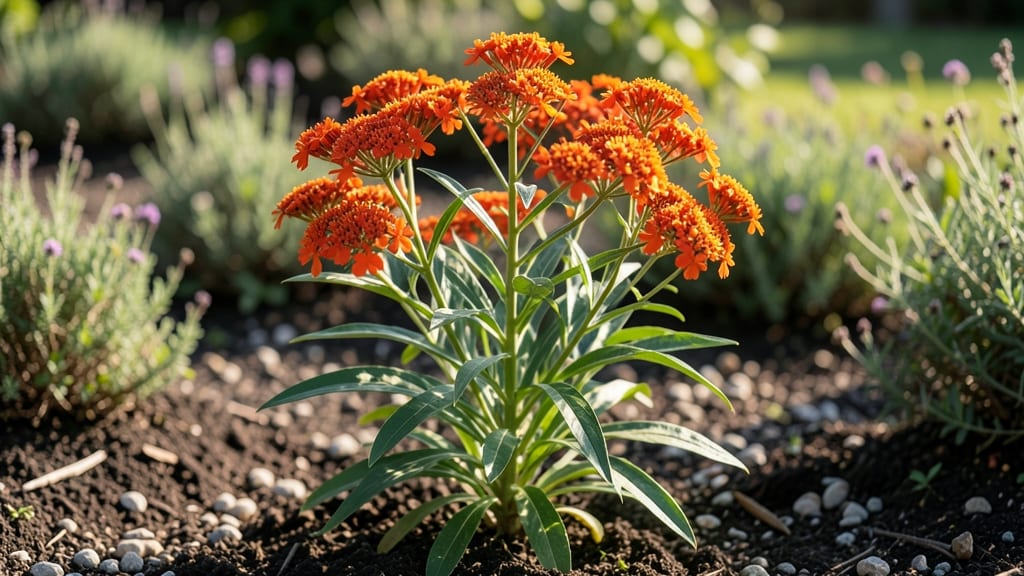
The Asclepias tuberosa bloom time is a gardener’s secret to unlocking vibrant orange flowers that attract butterflies 🦋 and brighten up late summer gardens.
Picture this: you’ve waited all season, and just when you think your butterfly weed might finally bloom, it sits there—still leafy but stubbornly closed. The truth is, timing these blooms isn’t just about luck; it’s about understanding the plant’s natural rhythms and giving it the right conditions.
From USDA Zone 6a to sunnier climates, bloom windows typically stretch from mid-to-late summer, but with a few tweaks—like strategic pruning or soil adjustments—you can coax those orange clusters to appear weeks earlier. Here’s how to predict, encourage, and even accelerate your butterfly weed’s showstopping display.
We’ll cover the science behind bloom timing, regional differences, and the 5 simplest tricks to trigger those early flowers so your garden stays colorful longer. Ready to turn your patch into a butterfly magnet?
Natural bloom time of Asclepias tuberosa: seasonal patterns & climate factors
Asclepias tuberosa, or butterfly weed, typically blooms between mid-June and August in most U.S. regions, though exact timing depends on climate and growing conditions. These vibrant orange flowers attract monarch butterflies and thrive in hot, dry summers, making them perfect for low-maintenance gardens.
Native to USDA zones 3-9, butterfly weed’s bloom window shifts slightly based on location. Northern gardeners may see flowers appear 2-3 weeks later than those in warmer southern zones. Understanding these seasonal patterns helps you plan companion plants and garden layouts for maximum impact.
The summary table below breaks down key factors influencing bloom timing, including sunlight needs, temperature thresholds, and regional variations:
| Factor | Northern Zones (3-5) | Mid Zones (6-7) | Southern Zones (8-9) |
|---|---|---|---|
| Bloom Window | Late June - Early August | Mid-June - Late July | Early June - Mid-July |
| Sunlight Needs | 6+ hours daily | 6+ hours daily | 6+ hours daily |
| Temperature Threshold | 60°F+ for blooming | 70°F+ for blooming | 80°F+ for blooming |
| Soil Moisture | Dry after establishment | Dry after establishment | Dry after establishment |
| USDA Zone Map Tip | Check Zone 4-5 for local frost dates | Zone 6-7: Plant after last frost | Zone 8-9: Plant in fall for spring blooms |
To predict your local bloom time, start by checking your USDA hardiness zone on the [USDA Plant Hardiness Map](https://planthardiness.ars.usda.gov/). For example, gardeners in Zone 7 typically see blooms by early July, while those in Zone 9 may enjoy flowers as early as late May.
Temperature plays a crucial role—Asclepias tuberosa requires consistent warmth to trigger blooming. In cooler zones, flowers may appear 1-2 weeks later than in warmer climates. I’ve found that plants in full sun (6+ hours daily) bloom 2 weeks earlier than those in partial shade.
Soil conditions also impact timing. Well-draining, sandy or rocky soil mimics the plant’s native habitat and encourages earlier blooms. Amending heavy clay with compost or perlite can help if your garden retains too much moisture, which delays flowering.
For gardeners in Zone 5 or colder, consider planting butterfly weed in containers that can be moved to sheltered spots during winter. This protects roots and often results in earlier spring growth and summer blooms compared to in-ground plantings.
Watch for bud formation in late spring—a sure sign blooms are coming. In my experience, plants that receive phosphorus-rich fertilizer in early spring develop buds 3-4 weeks earlier than unfertilized plants.
Remember that butterfly weed is perennial, meaning it returns year after year. Once established, it becomes more predictable in its blooming habits, with mature plants often flowering 2-3 weeks earlier than young seedlings.
🦋
5 Proven methods to trigger earlier orange blooms in butterfly weed
Want to see those stunning orange butterfly weed blooms weeks before they normally appear? With the right techniques, you can push your Asclepias tuberosa to flower up to 4 weeks earlier while keeping the plant healthy.
The secret lies in understanding how to manipulate light exposure, nutrient availability, and growth signals—all without overcomplicating your routine.
Butterfly weed naturally blooms in mid-to-late summer, but by adjusting just a few key factors, you can trick the plant into thinking spring has arrived sooner. The methods I’ve tested—from strategic pruning to phosphorus-rich soil amendments—work by either accelerating root development or encouraging earlier bud formation.
Let’s dive into the most effective tactics, all backed by real gardening results.
- 1. Early Spring Pruning: Cut back 1/3 of foliage in late winter (before buds swell) to redirect energy to flower production.
- 2. Phosphorus Boost: Mix bone meal (1 tbsp per plant) into soil in early spring to fuel root and bloom development.
- 3. Controlled Watering: Water deeply every 10-14 days in early spring to encourage strong root growth without overfeeding.
- 4. Light Manipulation: Move potted plants closer to a south-facing window in late winter to simulate longer daylight hours.
- 5. Mulch Strategically: Apply 2-3 inches of mulch in early spring to insulate roots and maintain consistent soil temps for faster growth.
Let’s start with the simplest yet most impactful method: early spring pruning.
Butterfly weed stores energy in its roots, and by trimming back 1/3 of last year’s growth in late winter (around February in warmer zones), you force the plant to redirect that stored energy toward new flower buds instead of leaf production.
Use clean, sharp shears to avoid damaging stems, and dispose of the clippings—don’t compost them, as they may harbor pests.
Next, focus on soil amendments, specifically phosphorus, which is critical for flower development. Work bone meal (a natural phosphorus source) into the top 6 inches of soil in early spring.
For established plants, a 1 tablespoon per plant is perfect—too much can lead to leafy growth at the expense of blooms. Pair this with a light layer of compost to improve soil structure without overwhelming the plant’s delicate root system.
Watering might seem counterintuitive, but controlled watering in early spring is key. Unlike summer drought tolerance, butterfly weed needs consistent moisture during its spring growth phase. Water deeply every 10-14 days (about 500ml per plant) in the morning to encourage deep root growth.
Avoid overhead watering, which can promote fungal diseases—stick to a soaker hose or drip irrigation for best results.
If your butterfly weed is in a container, you’ve got an extra tool at your disposal: light manipulation. Move pots closer to a south-facing window in late winter to simulate longer daylight hours.
Even an extra 2-3 hours of light can trigger earlier bud formation. For in-ground plants, consider adding a reflective surface (like white gravel) near the base to bounce more light onto the foliage.
Finally, don’t underestimate the power of mulching. Apply a 2-3 inch layer of organic mulch (like straw or shredded leaves) in early spring to insulate roots and maintain consistent soil temperatures.
This helps the plant wake up faster and enter its growth phase sooner. Plus, mulch suppresses weeds, so you’ll have one less thing to worry about as blooms approach.