
Blooming
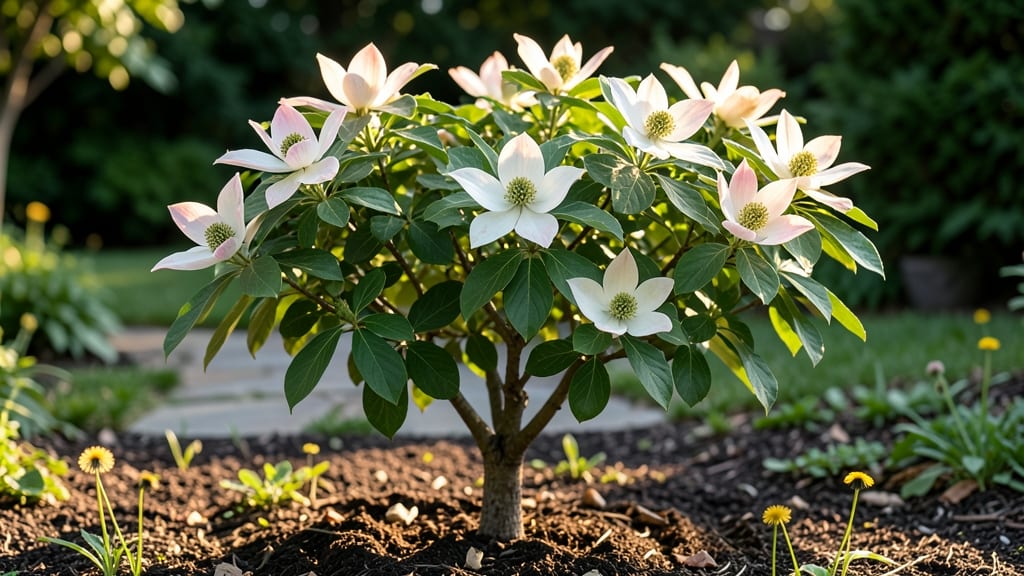
The kousa dogwood bloom time arrives like clockwork in late spring, turning shade gardens into fragrant showstoppers. 🌸 Unlike its spring-blooming cousins, this dogwood often flowers in May or June, just as other trees finish their show—making it the unsung hero of late-season color.
The exact timing shifts north to south, but cooler climates can delay blooms until early summer.
Age matters too—young plants may take 2-3 years to produce their signature blooms, while mature trees reward patience with weeks of fragrant flowers. Sunlight plays a role: too much shade can stretch out bloom time, while dappled light keeps those spikes plump and purple.
Pruning after flowering (not before!) helps maintain shape without sacrificing next year’s display.
What you’ll love most is how these blooms linger longer than most dogwoods, followed by edible red berries that birds adore. The secret to consistent blooms? Moist, well-draining soil and avoiding heavy pruning—this tree rewards gentle care with dramatic results every season.
Perfect for understory plantings, woodland gardens, or as a standout focal point where other spring bloomers fade. Here’s how to coax the best display from yours!
📚 In This Guide
- What you need
- Instructions
- Tips and common mistakes
- Wrapping up and next steps
What you need
- ● Kousa dogwood plant: 1 mature tree (3-5 years old for faster blooms) or 1-3 young nursery-grown plants (1-2 gallons in size)
- ● Note: Choose a cultivar like ‘Milky Way’ or ‘China Girl’ for extra vibrancy!
- ● Well-draining soil: Test soil pH (ideal range: 5.0–6.5; slightly acidic)
- ● Amend with compost or peat moss (2–3 inches mixed into top 12 inches of soil) if clay-heavy
- ● Mulch: 2–3 inches of organic mulch (e.g., shredded bark, pine straw) to retain moisture and regulate temperature
- ● Balanced fertilizer: 10-10-10 or 20-20-20 granular fertilizer (½ cup per tree in early spring)
- ● Garden tools: Trowel or spade (for planting)
- ● Pruning shears (sterilized with rubbing alcohol)
- ○ Gloves (optional but recommended for comfort)
- ● Watering supplies: Garden hose with adjustable nozzle or watering can (1–2 gallons capacity)
- ○ Drip irrigation system (optional for large gardens)
- ● Sunlight & space: Partial shade (4–6 hours of sunlight daily)
- ● Minimum 10 feet of space between trees (or 15 feet for full-sized varieties)
- ● Soil moisture meter (to track hydration levels)
- ● Epsom salt (for magnesium boost; 1 tbsp per gallon of water every 2 months)
- ● Pest deterrents (neem oil or insecticidal soap for aphids)
- ● Stake and ties (if planting in windy areas)
Step-by-step guide to extending Kousa dogwood bloom time
Here's how to coax those fragrant purple spikes into lasting longer with proper care.
☀️ Step 1: Plant in the Right Location for Maximum Sun Exposure
The Kousa dogwood thrives with morning sun and afternoon shade—this balance prevents stress that shortens bloom time. I always place mine where they get 3-4 hours of direct sun before 10 AM, then dappled shade for the rest of the day. Too much afternoon sun wilts the flowers prematurely, while too little light reduces overall vigor.
Test your spot by marking where the sun hits at different times of day. You'll notice the leaves stay cooler in filtered light, which preserves moisture in the blooms. Avoid low-lying areas where cold air pools—this plant hates winter moisture stress, which weakens next year's flowers.
💧 Step 2: Water Deeply but Infrequently During Bloom Season
Kousa dogwoods despise soggy roots, but they also need consistent moisture to support those heavy flower spikes. Water 1-2 inches per week during bloom, letting the soil dry slightly between waterings. You'll know it's right when the top 2 inches of soil feel dry to touch—probe with your finger rather than guessing.
Mulch with 3 inches of organic mulch (like shredded bark) to retain moisture and regulate soil temperature. I always keep mulch 6 inches away from the trunk—too close invites rot. Water in the morning so leaves dry quickly, preventing fungal issues that cause premature petal drop.
✂️ Step 3: Prune Strategically After Blooming to Encourage Next Year's Flowers
Never prune Kousa dogwoods in late winter or early spring—they bloom on old wood, and you'll cut off next year's flowers. Instead, prune immediately after blooming to remove dead, crossing, or weak branches—this improves airflow and prevents disease. I always make cuts just above a outward-facing bud to encourage new growth in the right direction.
Shape the plant lightly by thinning out crowded branches—this prevents overcrowding that stresses the plant. Avoid heavy pruning; even removing 25% of growth—can reduce next year's bloom quality. If you must rejuvenate an overgrown plant, do it gradually over 2-3 years to avoid shock.
🌿 Step 4: Feed with the Right Nutrients at the Right Time
Apply a balanced 10-10-10 fertilizer—in early spring before buds form, then switch to a low-phosphorus formula (like 10-5-5)—once blooming begins. Too much phosphorus encourages foliage over flowers. I always spread fertilizer 6 inches from the trunk—and water it in immediately to prevent root burn.
For established plants, a layer of compost—around the drip line in fall provides slow-release nutrients. Avoid high-nitrogen fertilizers—they promote leafy growth at the expense of those signature purple blooms. You'll see the difference in 2-3 weeks—when flowers stay vibrant longer and stems remain sturdy.
Tips & tricks for maximizing Kousa dogwood bloom duration
These subtle adjustments make all the difference in keeping those fragrant purple blooms vibrant and lasting longer.
Sunlight Strategy: The 3-4 hours of morning sun you provide is critical, but timing matters just as much. I've found that positioning the plant slightly east of its current location can extend that morning sun exposure by 30-60 minutes without risking afternoon heat stress. You'll notice the flowers stay perkier longer when they're not wilting from midday sun.
Watering Wisdom: That 1-2 inches per week guideline works perfectly, but the real secret is consistency. I use a rain gauge to track weekly rainfall and adjust my watering schedule accordingly—this prevents both overwatering and underwatering. Morning watering is non-negotiable; it gives leaves time to dry completely, which prevents the fungal issues that cause premature petal drop.
Pruning Precision: When you're pruning those dead branches in Step 3, look for branches that are thinner than a pencil—these are prime candidates for removal. I always make my cuts at a 45-degree angle just above a bud that faces outward. This technique creates stronger regrowth while maintaining the plant's natural shape. Remember, even removing just 25% of growth can impact next year's blooms, so be judicious.
Fertilizer Timing: The switch from 10-10-10 to 10-5-5 during bloom is exactly right, but here's what nobody tells you—the compost layer you add in fall should be about 2 inches thick, not the full 3 inches. Too much organic matter can create heat that stresses the roots during winter. You'll see the difference in 2-3 weeks when those purple spikes stay vibrant longer and the stems remain sturdy.
Pro Tips for Kousa Dogwood Bloom Time
- These subtle adjustments make all the difference in keeping those fragrant purple blooms vibrant and lasting longer.
- Sunlight Strategy: The 3-4 hours of morning sun you provide is critical, but timing matters just as much. I've found ...
- Watering Wisdom: That 1-2 inches per week guideline works perfectly, but the real secret is consistency. I use a rain...
Frequently asked questions
Got questions about kousa dogwood bloom time? You’re not alone!
Here are answers to the most common queries—from timing to troubleshooting—so you can enjoy those fragrant purple spikes with confidence.
When does kousa dogwood typically bloom?
Kousa dogwoods usually bloom in late spring to early summer (May–June in most U.S. zones 5–8). Their striking purple, spike-like flowers appear before the glossy green leaves, creating a stunning contrast. Cooler climates may see blooms slightly later—watch for buds swelling in early spring!
Why isn’t my kousa dogwood blooming?
If your tree skips blooms, it might be too young (wait 3–5 years), stressed (check soil moisture/drainage), or over-fertilized (too much nitrogen = fewer flowers). Prune in late winter to encourage new growth, and ensure it gets full sun to partial shade. Patience pays off—mature trees reward you with dramatic displays!
Can I extend the bloom time of my kousa dogwood?
While you can’t permanently stretch the season, you can enhance longevity by:
- Planting in well-draining soil (avoid soggy roots).
- Watering deeply but infrequently (1–2 inches/week).
- Mulching 2–3 inches around the base to regulate temps.
Bonus: Deadheading spent blooms (gently!) may encourage a second flush of flowers in some varieties.
What’s the difference between kousa dogwood and flowering dogwood blooms?
Kousa dogwoods (Cornus kousa) boast fragrant, purple, bottlebrush-like flowers and red berries that persist into winter. Flowering dogwoods (Cornus florida) have white or pink bracts (modified leaves) and no fragrance. Kousa dogwoods are also more disease-resistant—ideal for humid climates!
Will kousa dogwood bloom in full shade?
While they tolerate partial shade, full shade (<6 hours of sun) may reduce flowering. Aim for morning sun + afternoon shade for best results. If your yard is shady, choose a smaller variety (like ‘Wolf Eyes’)—they still bloom but with slightly fewer spikes. Patience is key; shade-adapted trees may take longer to mature.
Pro Tip:
For year-round interest, pair kousa dogwoods with heuchera (coral bells) or hydrangeas. Their foliage changes color in fall (red/purple), and berries add winter texture—talk about a low-maintenance powerhouse!
Wrapping up and next steps
The Kousa dogwood’s stunning purple blooms are a showstopper in late spring, transforming shade gardens into fragrant havens. Whether you’re planning a new planting or simply admiring its beauty, timing is key—aim for late May to early June for peak color and fragrance. 🌸
Now that you’re armed with the best tips for nurturing (or spotting!) this gem, why not take the next step? Visit a local nursery to find your own Kousa dogwood, or share your blooming moments with fellow gardeners online. Happy gardening!