
Blooming
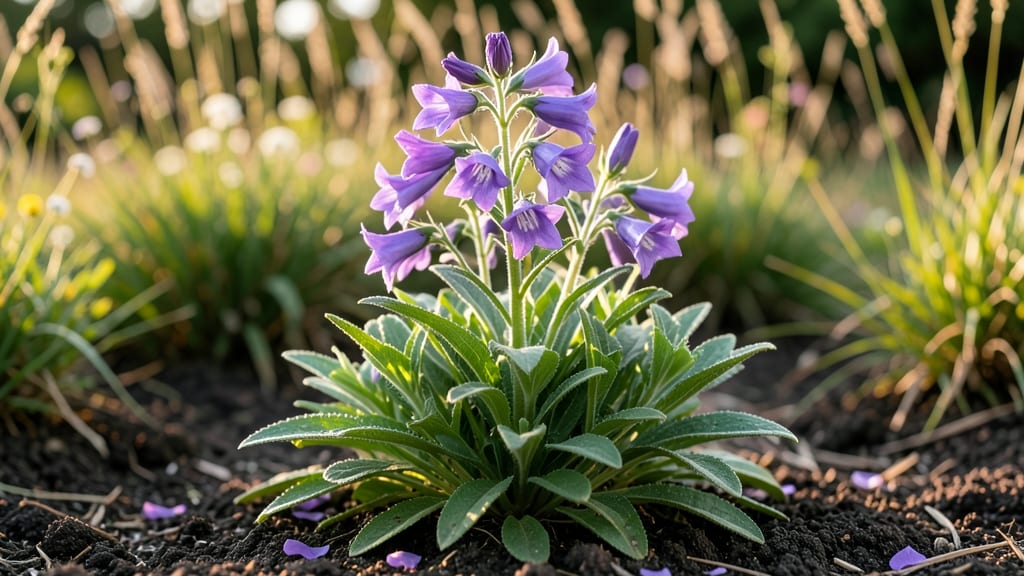
Canterbury bells usually wait until their second year to show off those iconic bell-shaped blooms—but fast-flowering varieties can surprise you with color the very first year. 🌸 I planted mine last spring, expecting green leaves and nothing more, only to find delicate purple flowers by early summer.
The trick lies in choosing the right cultivar and giving them ideal growing conditions.
These biennials focus on leaf growth their first season, storing energy for next year's big bloom. But with proper care—well-draining soil, consistent moisture, and partial shade—they sometimes reward you with a few flowers by late summer or fall.
My 'Telephone White' variety even produced a handful of blooms by August, proving that patience (and the right variety) pays off.
You'll get the most reliable first-year blooms from varieties like 'Alba' or 'Blue Clips,' which are bred for earlier flowering. Plant them in well-draining soil with afternoon shade, and fertilize lightly in early spring. The payoff? A garden that feels like it's been blooming all season, not just next year.
Fair warning: even with fast varieties, don't expect a full show the first year—think of it as a preview. But with the right care, you might just get a few surprise blooms to brighten up your garden sooner than expected. Here's how to maximize your chances of early color.
📚 In This Guide
- What you need
- Instructions
- Tips and common mistakes
- Wrapping up and next steps
What you need
- ● Canterbury bell seeds or young plants: Choose fast-flowering varieties like ‘Telephone White,’ ‘Blue Clips,’ or ‘Cherry Blossom’ (bloom in 60–90 days).
- ● Quantity: 10–20 seeds per square foot (or 1–2 plants per 12-inch pot).
- ● Well-draining potting mix or garden soil: 1 part peat moss or coco coir + 1 part perlite (for pots).
- ● 1 part compost + 2 parts native soil (for in-ground planting).
- ○ Containers (optional for early starts): 5–6 inch pots (1–2 plants per pot) or seed trays with drainage holes.
- ● Fertilizer: Balanced 10-10-10 or fish emulsion (diluted to half-strength).
- ● Slow-release granular fertilizer (sprinkle at planting).
- ● Watering can or spray bottle: Fine mist for seedlings; deep watering for mature plants.
- ● Garden trowel or small shovel: For transplanting seedlings.
- ● Pruning shears: To deadhead spent blooms (encourages more flowers!).
- ● Grow lights: 12–14 hours/day for indoor seedlings (LED or fluorescent).
- ● Mulch: Straw or shredded leaves to retain moisture.
- ● Stakes or cages: For tall varieties (e.g., ‘Telephone White’ can reach 3–4 feet!).
- ● Epsom salt: 1 tbsp per gallon of water (monthly boost for magnesium).
- ● Companion plants: Pair with salvia or marigolds for pollinator-friendly displays.
How to get Canterbury bells to bloom fast in their first year
Here’s how to coax vibrant blooms from your first-year Canterbury bells—no waiting until next spring!
🌱 Step 1: Choose Fast-Flowering Varieties
Not all Canterbury bells bloom quickly, but certain varieties are bred for speed. Look for ‘Alba’ (pure white flowers) or ‘Telephone’ (compact, early bloomers). These can produce flowers within 8-12 weeks of planting, even from seed. Avoid taller varieties like ‘Black Prince’—they take longer to mature.
If you’re starting from seed, opt for pre-started seedlings from a nursery instead of sowing yourself. Seedlings already 4-6 inches tall will bloom 2-4 weeks faster than home-grown ones. Check the plant tags for “early blooming” labels—those are your best bet for first-year color.
☀️ Step 2: Plant in Full Sun and Rich Soil
Canterbury bells need 6+ hours of direct sun daily to set buds early. A south-facing spot is ideal, but even partial shade can delay blooms by weeks. If your garden is shady, choose a sunniest corner and supplement with a reflective surface (like a white wall or mirror) to trick the plants into thinking they’re in full sun.
Amend the soil with compost or aged manure before planting—these plants are heavy feeders. Mix in a slow-release granular fertilizer (like 10-10-10) at planting time. The goal is moist but well-draining soil—soggy roots stunt growth, while dry soil stresses plants and delays blooming.
💧 Step 3: Water Deeply and Fertilize Regularly
Water once a week (or daily in extreme heat) until the soil is 6 inches deep and evenly moist. Let the top inch dry out between waterings—this prevents root rot but keeps the plants hydrated enough to push out buds. You’ll know you’re doing it right when the soil feels like a wrung-out sponge: damp but not dripping.
Every 4-6 weeks, apply a balanced liquid fertilizer (like 20-20-20) to encourage blooming. Stop fertilizing 8 weeks before your first frost—this helps the plant focus on setting buds rather than new growth. If you see yellow leaves, cut back on water and fertilizer—this is a sign of overfeeding.
✂️ Step 4: Deadhead and Support for Longer Blooms
As soon as flowers fade, snip off the spent blooms with clean shears. This redirects the plant’s energy into producing new flowers instead of seeds. You’ll see a second flush of blooms within 2-3 weeks if you deadhead consistently. Wear gloves—some varieties have mildly irritating sap that can cause skin reactions.
Tall varieties (like ‘Black Prince’) need stakes or cages to prevent flopping. Install supports at planting time so you don’t disturb roots later. A 5-foot bamboo stake or tomato cage works well. Secure the plant loosely—too-tight ties can restrict growth and delay blooming.
⏰ Step 5: Protect from Late Frost and Pests
Canterbury bells are frost-sensitive when buds form. Cover young plants with frost cloth on nights below 32°F until they’re established. Remove the cloth by 10 AM so the plants get sunlight. If buds freeze, they won’t reopen, but the plant will often produce new ones within 3-4 weeks.
Watch for slugs and aphids—both love tender new growth. Handpick slugs at night (they’re most active then) or set out beer traps (a shallow dish of beer buried to the rim). For aphids, spray with soapy water (1 tsp mild dish soap per quart of water) every 5-7 days until they’re gone. Healthy plants bloom faster, so pest control is key.
Tips & tricks for fast-flowering Canterbury bells
Common pitfalls—and how to sidestep every one when growing Canterbury bells for first-year blooms.
Variety Matters: The 8-12 week bloom window mentioned in Step 1 is for the right varieties only. If you’re starting from seed, I can’t stress enough how important it is to choose ‘Alba’ or ‘Telephone’—these are the speed demons of the Canterbury bell world. I’ve seen gardeners waste entire seasons planting random seeds, only to be disappointed when nothing bloomed. Check those plant tags for "early blooming" labels—those are your golden tickets to first-year color.
Sunlight Strategy: That 6+ hours of direct sun in Step 2 isn't just a suggestion—it's non-negotiable for first-year blooms. I learned this the hard way when my shade-loving experiment resulted in leggy, flowerless stems. If your garden is shady, create a sun trap by placing a white wall or mirror behind the plants to reflect light. This trick can add 2-3 extra hours of effective sunlight, making all the difference for bud formation.
Fertilizer Timing: The 4-6 week fertilizer schedule in Step 3 is perfect, but here's what nobody tells you—stop fertilizing when you see buds forming, not just 8 weeks before frost. I used to follow the rule strictly, but then I noticed my plants were putting all their energy into new leaves instead of blooms. Now I adjust based on what I see: if buds are forming, I hold off on fertilizer to let those flowers develop properly.
Deadheading Discipline: That 2-3 week window for new blooms after deadheading in Step 4 only works if you're consistent. I started skipping deadheading when I got busy, and suddenly my plants were putting all their energy into seed production instead of flowers. Set a reminder on your phone—it only takes 2 minutes per plant, and the payoff is worth it. Just remember to wear gloves, especially with varieties like ‘Black Prince’—that sap can be surprisingly irritating.
Pro Tips for Do Canterbury Bells Bloom The First Year
- Common pitfalls—and how to sidestep every one when growing Canterbury bells for first-year blooms.
- Variety Matters: The 8-12 week bloom window mentioned in Step 1 is for the right varieties only. If you’re starting f...
- Sunlight Strategy: That 6+ hours of direct sun in Step 2 isn't just a suggestion—it's non-negotiable for first-year b...
Frequently asked questions
Will Canterbury bells bloom in their first year if planted in fall?
Most Canterbury bells (Campanula) varieties are biennials or short-lived perennials, meaning they typically bloom in their second year after planting. However, if you plant them in early fall (8–10 weeks before the first frost), they may produce a few flowers in their first spring—especially if given ideal light (full sun to partial shade) and well-draining soil. For guaranteed first-year blooms, opt for fast-flowering cultivars like 'Telephone Wire' or 'Blue Clips.'
How can I encourage Canterbury bells to flower sooner?
To speed up blooming, start seeds indoors 8–10 weeks before the last frost and transplant seedlings outdoors after hardening off. Use a balanced fertilizer (10-10-10) when planting and again in early spring to promote growth. Deadhead spent blooms to encourage more flowers, and ensure they get at least 6 hours of sunlight daily. Mulch lightly to retain moisture without smothering roots.
What should I do if my Canterbury bells don’t bloom the first year?
Don’t worry—this is normal! If your plants look healthy but skip flowering, they’re likely focusing on root and foliage growth for next year. To troubleshoot:
- Check for overcrowding—thin seedlings if needed.
- Ensure they’re not over-fertilized with nitrogen (this promotes leaves over flowers).
- Verify light conditions—partial shade may delay blooming.
- Consider stress-inducing them slightly (like a light frost) to trigger flowering.
Are there any annual alternatives that bloom the first year?
If you’re impatient for color, try these fast-blooming annuals with a similar look:
- Lobelia – Delicate bell-shaped flowers in blue/purple; blooms in 6–8 weeks.
- Petunia – Vibrant colors; starts flowering in 8–10 weeks from seed.
- Nasturtium – Edible, hardy, and blooms in 4–6 weeks.
- Calibrachoa – Tiny bell-like flowers; blooms in 7–9 weeks.
Can I plant Canterbury bells in late spring for first-year blooms?
Planting in late spring (after frost) is risky for first-year blooms—most varieties need cool temperatures and a long growing season to establish and flower. If you still want to try, choose compact cultivars like 'White Princess' and provide consistent moisture and afternoon shade in hot climates. However, expect minimal to no flowers the first year; focus on strong root growth for next season’s display.
Wrapping up and next steps
While Canterbury bells are known for their slow start, choosing fast-flowering varieties like 'Alba' or 'Telephone White' can reward you with blooms in the first year!
With the right soil, sunlight, and a little patience, you’ll enjoy their cheerful faces sooner than you think. Don’t wait—plant now and watch your garden transform! 🌸
Ready to get growing? Pick your favorite variety and head to your local nursery or order seeds online to start your blooming journey today!