
Blooming
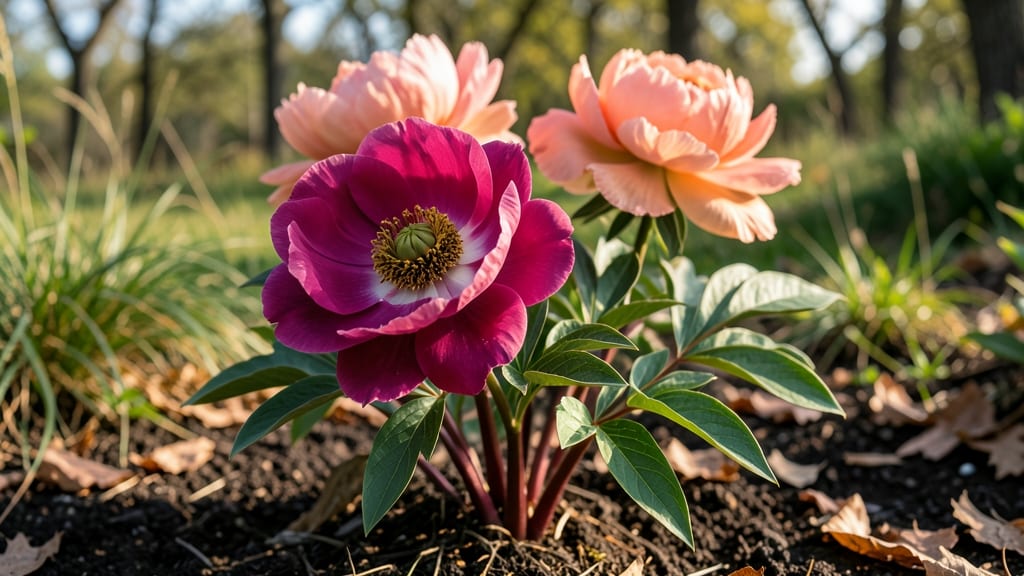
Peonies bloom between late May and early July, turning gardens into fragrant cloud bursts of pink, white, and coral. 🌸 I remember the first time my herbaceous peonies unfurled in my Zone 5 garden—it felt like spring finally arrived, even though the calendar still said "almost summer."
The timing varies wildly between varieties and zones, but with the right care, you can coax blooms to last weeks longer than usual.
Herbaceous peonies (the classic garden types) typically bloom earlier—think late May to early June—while tree peonies (woody, shrub-like) often shine later, from June through July. Zone matters too: Southern gardens get peonies blooming as early as April, while Northern zones might wait until June.
The secret to extending bloom time? Proper pruning after flowering and consistent moisture during bud formation.
You’ll notice the difference when your peonies stay lush and fragrant for 3-4 weeks instead of wilting in a single heatwave. The key is mulching to protect roots, staking tall stems before buds swell, and avoiding over-fertilizing—too much nitrogen means fewer blooms.
Even my Zone 6 garden’s late bloomers now last until Father’s Day, and the neighbors keep asking for cuttings.
Whether you’re in a cold climate or a warm one, peonies reward patience. Start by choosing varieties suited to your zone, then focus on consistent care—not fancy tricks. The payoff? A garden that smells like childhood and looks like a masterpiece, year after year.
📚 In This Guide
- What you need
- Instructions
- Tips and common mistakes
- Wrapping up and next steps
What you need
- ● Peony plants: Choose bareroot or container-grown varieties (e.g., Paeonia lactiflora or Paeonia officinalis). Quantity: 1–3 plants per 4–6 sq ft of garden space (adjust based on variety size). Pro tip: Opt for disease-resistant cultivars like ‘Sarah Bernhardt’ or ‘Bowl of Beauty’ for hassle-free blooms! 🌡️
- ● Well-draining soil: Peonies thrive in loamy, slightly alkaline soil (pH 6.5–7.5). Amend heavy clay or sandy soil with compost (2–3 inches) or aged manure.
- ● Sunlight: Full sun (6–8 hours/day). Partial shade (4–6 hours) works for hotter zones (7+).
- ● Water: 1–1.5 inches per week (deep watering 2x/week; avoid soggy roots!).
- ● Fertilizer: Balanced, low-nitrogen fertilizer (5-10-10 or 10-10-10) applied spring and early fall. Quantity: 1–2 tbsp per plant.
- ● Mulch: 2–3 inches of organic mulch (e.g., straw, shredded bark) to retain moisture and regulate soil temp.
- ● Garden trowel or spade (for planting/transplanting).
- ● Gloves (to protect hands from thorns!).
- ● Pruners or shears (sterilized with rubbing alcohol to prevent disease).
- ● Measuring tape or ruler (to ensure proper spacing: 3–4 ft apart for herbaceous peonies; 5–6 ft for tree peonies).
- ● Watering can or hose with adjustable nozzle (gentle watering avoids damaging buds).
- ○ Stakes or cages (optional but helpful) for tall varieties (e.g., ‘Duchesse de Nemours’) to prevent flopping.
- ● Peony food: Slow-release granules (e.g., Espoma Peony Tone) for extra blooms.
- ● Drip irrigation system for consistent moisture (especially in dry climates).
- ● Pest deterrents: Neem oil (for aphids) or row covers (for deer/squirrels).
- ● Support rings (for cutting gardens to keep stems upright).
- ● Journal/notebook to track bloom time, variety notes, and soil conditions!
How to time peony blooms by variety and growing zone
Peonies bloom at different times depending on variety and climate—here’s how to predict and extend their show.
☀️ Step 1: Identify Your Growing Zone and Peony Type
Peonies fall into two main bloom categories: early-season (April–May) and late-season (May–June). Early bloomers like 'Sarah Bernhardt' or 'Bowl of Beauty' thrive in zones 3–8, while late varieties such as 'Coral Charm' or 'Duchesse de Nemours' shine in zones 4–9. Check your zone on the USDA map—if you’re in zone 5 or colder, early varieties may need winter mulch to protect roots.
Here’s the thing—herbaceous peonies (the classic bushy types) bloom later than tree peonies (woody, smaller flowers). Tree peonies often push buds in late spring, while herbaceous types wait until early summer. Note your variety’s reputation: some, like 'Karl Rosenfield', bloom reliably early, while others, like 'Felicity', stretch their show into June.
🌱 Step 2: Plant in the Right Spot for Timed Blooms
Peonies need full sun (6–8 hours daily) to bloom on time, but too much afternoon heat in hot zones can force early buds to open prematurely and get fried. In zones 7–9, plant them where they get morning sun and afternoon shade—a spot under a deciduous tree works perfectly. The tree’s leaves will shield flowers from late-season heat while letting winter light reach the crown.
Dig a hole twice as wide as the root ball but only 2 inches deeper—peonies hate being planted too deep, which delays blooms. The "eyes" (buds) should sit 1–2 inches below soil level. If you bury them deeper, you’ll wait 1–2 extra years for flowers. Water deeply after planting to settle the soil, but don’t overdo it—peony roots rot in soggy soil.
⏰ Step 3: Adjust Care for Zone-Specific Bloom Timing
In northern zones (3–5), peonies often bloom 2–3 weeks earlier than in warmer climates because cooler springs trigger buds. To delay blooms in hot zones (6–9), avoid winter mulch—let the ground freeze naturally. In zone 10, where winters are mild, peonies may bloom spottily unless you provide winter chill hours (300–500) with a cold frame or artificial chilling.
Watch for bud swell in early spring—that’s your cue to reduce watering. Overly wet soil in late winter can cause buds to rot before they open. Instead, water lightly every 7–10 days once buds appear. In dry zones, a 1-inch layer of mulch (like straw) keeps moisture steady without smothering roots.
🌿 Step 4: Extend the Bloom Season with Smart Pruning
To encourage longer blooming, deadhead only after flowers fade completely—never cut stems back to the base. Instead, trim 1–2 inches above the foliage once leaves yellow in fall. This prevents disease and lets the plant store energy for next year’s buds. For tree peonies, prune right after blooming to shape the plant without sacrificing next year’s flowers.
Real talk: If your peonies bloom all at once and fade fast, they’re likely overcrowded. Divide clumps every 3–5 years in early fall or late winter. Dig up the plant, separate the roots, and replant the strongest sections. You’ll see more blooms and a longer season within a year.
🌸 Step 5: Troubleshoot Late or Missed Blooms
If peonies leaf out but don’t bloom, they’re either too young (wait 2–3 years), too deep in the ground, or stressed by poor soil. Amend the area with compost and a balanced fertilizer (10-10-10) in early spring. Avoid high-nitrogen feeds—they push leaves but starve flowers. In hot climates, late blooms may need morning shade to keep buds from wilting.
For no blooms at all, check the crown: if it’s below 2 inches deep, dig it up and replant shallower. If the plant is over 5 years old, it may be exhausted—divide it or replace it. Peonies are patient; they’ll reward you with 10–15 years of blooms if you give them the right conditions.
Tips & tricks for perfect peony bloom timing
These insider tricks will help you fine-tune your peony garden's performance and extend that fragrant show.
Sunlight Strategy: In Step 2, when positioning your peonies for that perfect 6-8 hours of sunlight, pay special attention to the afternoon heat in zones 7-9. I recommend planting them where they'll get morning sun but afternoon shade from a deciduous tree. This creates a natural air-conditioning effect that prevents buds from opening too early and getting damaged by late-season heat. The tree's leaves also provide winter light access to the crown, which is crucial for next year's blooms.
Planting Depth Precision: Those 1-2 inches below soil level for the "eyes" (buds) in Step 2 are non-negotiable. I learned this the hard way after burying a peony too deep and waiting two extra years for blooms. Use a ruler to measure from the soil surface to the top of the crown—this ensures you're planting at the correct depth every time. The root ball should sit just below the soil line, not buried under inches of dirt.
Watering Wisdom: Step 3 mentions reducing watering when you see bud swell, but here's the thing: your watering schedule should change even before buds appear. In late winter, water lightly every 10-14 days to prevent soggy soil that can cause bud rot. Once buds swell, switch to that lighter every 7-10 days schedule. I've seen buds rot overnight when gardeners overcompensate after a dry spell—consistency is key.
Pruning Payoff: The timing in Step 4 for deadheading and fall pruning is crucial for extending your bloom season. When you trim 1-2 inches above the foliage in fall, you're not just cleaning up—you're storing energy for next year's buds. For tree peonies, that right-after-blooming prune is your chance to shape the plant without sacrificing future flowers. I've seen some gardeners cut stems back to the base, which actually reduces next year's blooms—don't make that mistake!
Pro Tips for Bloom Time For Peonies
- These insider tricks will help you fine-tune your peony garden's performance and extend that fragrant show.
- Sunlight Strategy: In Step 2, when positioning your peonies for that perfect 6-8 hours of sunlight, pay special atten...
- Planting Depth Precision: Those 1-2 inches below soil level for the "eyes" (buds) in Step 2 are non-negotiable. I lea...
Frequently asked questions
Got questions about peony bloom time? You’re not alone! Here are answers to the most common queries to help you plan your garden like a pro.
When is the best time to plant peonies for peak blooms?
Plant peonies in early fall (4–6 weeks before the ground freezes) or early spring (as soon as the soil is workable). Fall planting gives roots time to establish before winter, while spring planting works in warmer climates. Aim for 4–6 weeks before your zone’s first frost for ideal results.
Why do my peonies bloom later than expected?
Peonies need 6–8 weeks of chilling temperatures (below 40°F/4°C) to bloom on time. If your area has mild winters, they may bloom later or less vigorously. Try mulching heavily in winter or planting in a slightly cooler microclimate (like near a north-facing wall) to encourage timely blooms.
Can I force peonies to bloom earlier or later?
Peonies are not easily forced like bulbs, but you can prune back foliage in late summer (after blooming) to redirect energy to next year’s buds. For earlier blooms, choose early-season varieties (e.g., ‘Sarah Bernhardt’). Late blooms? Try late-blooming types (e.g., ‘Bowl of Beauty’) or plant in a slightly warmer zone.
What should I do if my peonies aren’t blooming at all?
No blooms? Check these fixes:
- Age: Peonies often take 2–3 years to bloom after planting.
- Light: Ensure they get 6+ hours of full sun daily.
- Depth: Plant eyes 1–2 inches below soil—too deep = no blooms!
- Fertilizer: Use a low-phosphorus fertilizer (like 5-10-10) in early spring.
Are there peony varieties that bloom at different times?
Peonies fall into 3 bloom-time categories:
- Early: March–mid-April (e.g., ‘Duchesse de Nemours’).
- Mid-season: Late April–early May (e.g., ‘Belle of Saratoga’).
- Late: Mid-May–June (e.g., ‘Coral Charm’).
Wrapping up and next steps
Peonies are nature’s fragrant masterpieces, and knowing their bloom time by variety and zone ensures you’ll never miss their dazzling display! Whether you’re a first-time gardener or a seasoned pro, these showstoppers reward patience with lush, long-lasting blooms—just pick the right type for your climate. 🌸
Now that you’re armed with the perfect timing and care tips, roll up your sleeves and plant your peonies. Start small with a single variety, or go all out and create a fragrant, colorful garden that’ll be the envy of the neighborhood. Happy gardening—your future blooms are waiting! 🌱