
Orchid Care
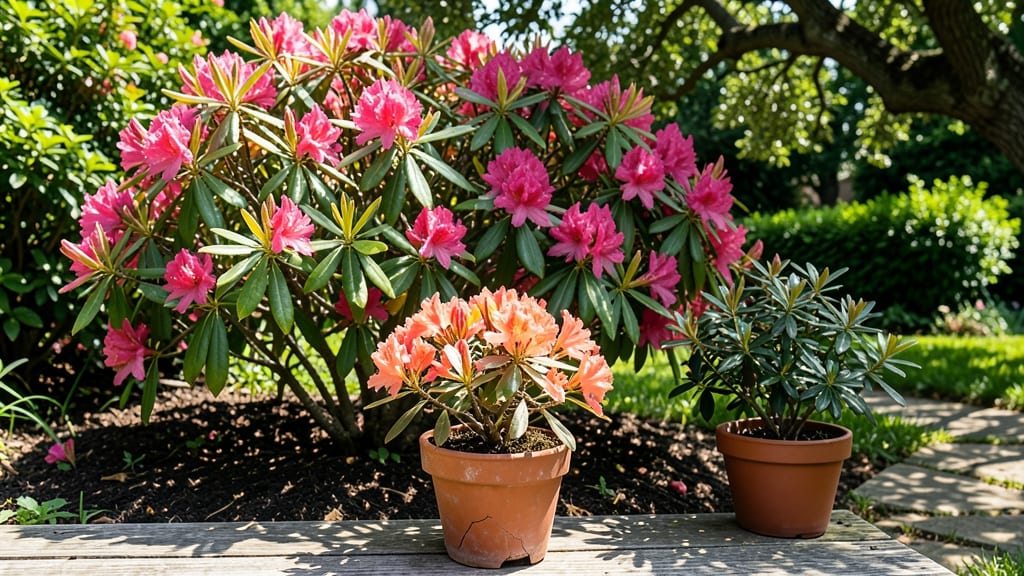
Azaleas thrive in partial shade with morning sun or filtered light 🌸—the key to year-round blooms lies in balancing their delicate light needs.
Struggling to keep your azaleas blooming year after year? The battle between sun and shade might be the missing piece—getting the light spectrum right can transform your struggling shrubs into vibrant, long-flowering stars.
Too much direct sun scorches leaves, while too little shade weakens growth and blooms. The trick is finding that sweet spot: 2-4 hours of morning sun or dappled light all day, especially in hotter zones like USDA 6a.
Below, I’ll break down how to spot light stress, adjust care by season, and pick the best azalea varieties for your garden’s conditions—whether you’re coastal or inland.
 Best Window Placement
Azalea light requirements: sun vs shade spectrum breakdown
Azaleas thrive on the delicate balance between sun and shade, but many gardeners struggle to pinpoint the exact light spectrum needed. Unlike hardy shrubs, azaleas are light-sensitive—too much sun scorches their leaves, while too little shade stunts their vibrant blooms.
The key lies in understanding how morning sun and afternoon shade interact with your local climate and azalea variety.
Most azaleas prefer partial shade, meaning 2-4 hours of direct sunlight daily, ideally in the morning when UV rays are gentler. However, evergreen azaleas (like Rhododendron hybrids) tolerate slightly more shade, while deciduous azaleas (like Enkianthus) can handle a bit more sun.
Regional differences also play a role—coastal areas with mild summers can offer more afternoon sun, while inland zones need afternoon protection.
🌱 Pro Tip: Use a light meter or observe your garden’s sun patterns. If your azaleas receive more than 6 hours of sun, their leaves will yellow or crisp by midday. If they’re in deep shade, expect sparse blooms and leggy growth.
| Azalea Type | Ideal Sun Exposure | Regional Adjustments | Seasonal Notes |
|---|---|---|---|
| Evergreen Azaleas (Rhododendron) | 3-4 hours morning sun, afternoon shade | Coastal: 4-5 hours sun; Inland: 2-3 hours max | Winter: More sun tolerated; Summer: Shade critical |
| Deciduous Azaleas (Enkianthus) | 4-5 hours mixed light (morning + filtered sun) | Northern climates: 5+ hours sun; Southern: 3 hours max | Spring: Full sun for blooms; Summer: Dappled shade |
| Knockout® Azaleas (Hybrid) | 6 hours sun (more tolerant than traditional azaleas) | Arid zones: Morning sun only; Humid zones: Partial shade | Year-round: Adjust shade for extreme heat |
| Globe Azaleas (Rhododendron spp.) | 2-3 hours indirect light (best in shade) | Tropical zones: East-facing shade; Cold zones: South-facing shade | Winter: Protect from windburn; Summer: Avoid midday sun |
For morning sun, position your azaleas to catch the gentle rays between 6 AM and 10 AM. This helps them build energy without risking leaf scorch. If your garden lacks natural morning sun, consider a reflective surface (like a white fence) to amplify light.
In afternoon shade, aim for dappled light—think of the filtered glow under a deciduous tree canopy.
Regional climates demand seasonal flexibility. In Zone 7-9, where summers are scorching, prune nearby trees to create moving shade that follows the sun’s arc. In cooler Zones 4-6, azaleas can handle more sun in winter but need protection from harsh afternoon winds.
Use burlap screens or plant them near east-facing structures to balance light exposure.
Watch for leaf color changes to fine-tune placement. Dark green leaves with vibrant blooms mean you’ve nailed the light spectrum. Yellowing leaves signal too much sun, while pale, sparse foliage means insufficient light.
Adjust gradually—moving azaleas more than 10 feet can shock their roots, so prune nearby branches instead to tweak shade levels.
In container gardening, azaleas need even more shade because pots overheat. Place containers on porous saucers and avoid black pots, which absorb heat. Terracotta or glazed pots reflect less heat and keep roots cooler.
If your patio gets intense afternoon sun, drape a lightweight shade cloth (30-50% coverage) over the plants during peak hours.
Ever wondered why your neighbor’s azaleas bloom better than yours? It’s often about microclimates. A north-facing slope stays cooler, while a south-facing wall can bake azaleas. Test your garden’s light with a simple experiment: Place a white board where your azaleas sit.
If it’s hot to the touch by noon, your plants need more shade. If it’s barely warm, they’re likely getting too little light.
Don’t overlook mulching—a 3-inch layer of pine bark mulch keeps roots cool and retains moisture, which is crucial for azaleas in hot, sunny spots. Pair this with regular watering in the morning to mimic their natural humid, shaded forest understory habitat.
With these adjustments, your azaleas will reward you with season-long blooms and lush foliage.
🌿 Remember: Azaleas are not one-size-fits-all. Experiment with placement, observe their responses, and don’t hesitate to consult local nursery experts for climate-specific advice. Your perfect sun-shade balance might just be a few feet away!
Signs your azaleas aren’t getting the right light (and how to fix it)
If your azaleas look less vibrant than last year, the issue might be their light exposure. Too much sun causes leaf scorch, while too little shade leads to sparse blooms.
I’ve seen azaleas go from lush to leggy just by moving them a few feet! The key is finding that partial shade sweet spot—morning sun with afternoon relief.
Start by checking your azalea’s foliage color. Healthy leaves should be deep green, but yellowing leaves often signal too much sun, while pale, weak growth means they’re not getting enough light.
Even the bloom quality changes—fewer flowers or smaller blooms are classic light-stress signs. Don’t ignore these clues; they’re your azalea’s way of talking to you!
⚠️ Azalea Light Warning: The Danger Zone
Too much sun: Leaf scorch (brown, crispy edges), wilting in afternoon heat, stunted growth.
Too little light: Leggy stems, fewer blooms, pale leaves, weak stems that flop over.
Fix it fast: Move azaleas to morning sun + afternoon shade or use light fabric shade cloth (30-50%) in peak sun hours.
Let’s tackle leaf scorch first—this is your azalea’s emergency signal for too much sun. If the edges of leaves turn brown and crispy, especially on the south or west sides, your plant is getting harsh afternoon sun.
The fix? Prune back any overhanging branches from nearby trees or move your azalea to a spot where it gets only 2-4 hours of morning sun. Mulch with 3 inches of pine bark to keep roots cool.
On the flip side, if your azalea’s stems stretch toward the light or blooms are sparse, it’s craving more light—but not direct sun. Try placing it near a north-facing window indoors or under a dappled shade tree outdoors.
For container azaleas, rotate them quarter-turns weekly so all sides get even, gentle light. A reflective surface like a white wall or mirror can also boost indirect light.
Don’t forget about seasonal adjustments. In summer, azaleas need more shade to avoid heat stress, while in winter, they can handle slightly more light if they’re dormant.
If you’re in a hot climate (Zones 8-10), consider afternoon shade cloth during peak heat. For cooler zones, a south-facing spot with afternoon protection works perfectly.
Pro tip: Use a light meter app to check your garden’s light levels. Aim for 1,000-2,000 foot-candles of indirect light—this is the azalea sweet spot.
If your spot gets over 5,000 foot-candles, it’s too bright. Adjust with pruning, shade cloth, or strategic planting near structures like fences or decks.