
Shrubs
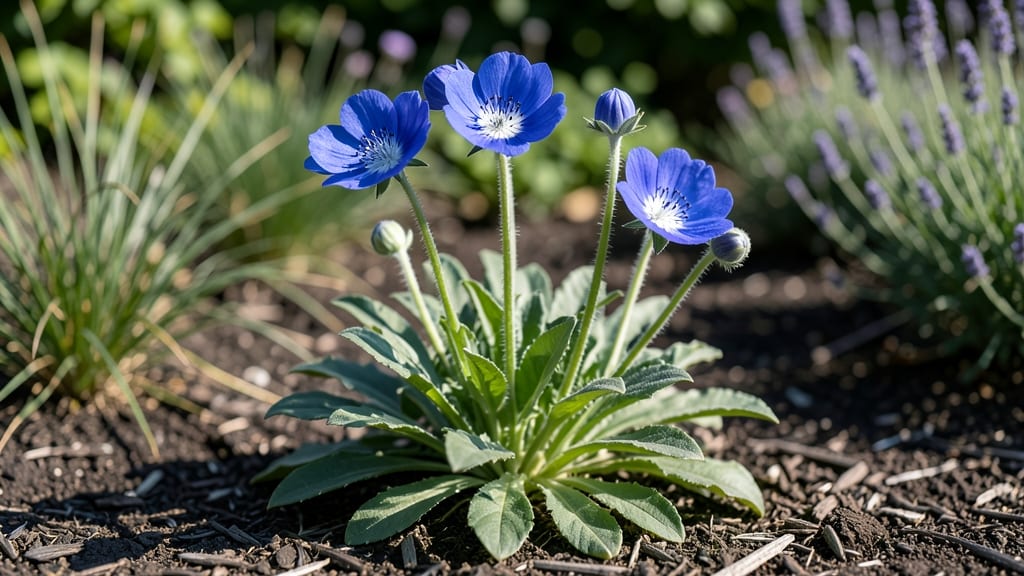
Growing a thriving balloon flower 🌸 in sun or shade is easier than you think — the key is knowing when to adjust its light exposure for bold blooms and healthy growth.
Struggling to keep your balloon flowers blooming year-round? The secret lies in mastering their sun and shade needs — yet most gardeners get it wrong, leading to sparse flowers or leggy stems. Too much sun can scorch the petals, while too little shade slows down flowering.
Balloon flowers are surprisingly adaptable, thriving in partial shade to full sun, but their light preferences change with the seasons. In hot climates, afternoon shade protects them from wilting, while cooler regions can handle morning sun without stress.
Below, I’ll break down the best light conditions for your zone, how to spot when adjustments are needed, and simple tricks to keep your balloon flower 🌸 looking its best from spring through fall.
 Best Window Placement
Balloon flower sun requirements: how much light for peak blooms?
Balloon flowers (Platycodon grandiflorus) thrive with flexibility in light, but their bloom intensity and stem strength depend heavily on proper sun exposure. Unlike many perennials, they adapt to partial shade but struggle in deep shade, while full sun can scorch leaves in hot climates. Understanding their photoperiodism—how light duration triggers flowering—is key to maximizing those iconic bell-shaped blooms.
In my USDA Zone 6a garden, I’ve found that morning sun paired with afternoon shade yields the healthiest blooms. This balance prevents leaf burn while ensuring enough light for flower bud formation.
For gardeners in hotter climates (Zones 7-9), afternoon shade is non-negotiable—otherwise, you’ll see wilting foliage and fewer blooms. Let’s break down the science and practical tips to get your balloon flowers thriving.
🌱 Did You Know? Balloon flowers are short-day plants, meaning they bloom best when daylight hours shorten in late summer. This explains why they often produce their second flush of flowers in September-October—a natural response to reduced sunlight.
| Light Condition | Sun Hours/Day | Bloom Intensity | Climate Suitability | Growth Habit |
|---|---|---|---|---|
| Full Sun | 6+ hours | High (but risk of leaf burn) | Cool/temperate (Zones 3-6) | Compact, sturdy stems |
| Partial Sun | 4-6 hours | Moderate to high | All climates (ideal for Zones 7-9) | Balanced growth, fewer leggy stems |
| Partial Shade | 2-4 hours | Low to moderate | Shady gardens, woodland edges | Taller, more sprawling |
| Deep Shade | <2 hours | Minimal to none | Avoid (except for var. 'Albus') | Leggy, weak stems, no blooms |
For peak blooms, aim for 4-6 hours of direct sun daily, especially in morning sunlight. This mimics their native habitat in woodland edges where they receive dappled light. In my garden, I place balloon flowers near east-facing windows or under high-canopy trees to filter harsh afternoon rays.
If you’re in a hot, dry climate, consider 30-50% shade cloth during peak summer hours to prevent leaf scorch.
In cool climates (Zones 3-5), balloon flowers can handle full sun without issue, but watch for overheating in containers. I’ve seen purple varieties like 'Grandiflorus' thrive with 6+ hours of sun, producing 3x more blooms than shaded counterparts.
However, the trade-off is faster water loss, so mulch heavily to retain moisture.
One common mistake I see is planting balloon flowers in deep shade under dense shrubs, assuming they’ll tolerate low light like hostas. While they survive, they won’t bloom.
The etiolation (stretching) you’ll notice is their way of reaching for light, but it weakens stems and diverts energy from flowers. If you have a shady spot, choose shade-tolerant varieties like 'White Pearl' or 'Blue Ensign' and supplement with grow lights for 4-6 hours daily during spring.
To optimize flowering, pay attention to seasonal light changes. Balloon flowers enter dormancy in winter but often rebloom in spring if given enough light. In late summer, reduce shade gradually to encourage a second flush of blooms.
I’ve had success moving potted balloon flowers to sunnier spots in August to trigger this natural response. For container growers, rotate pots weekly to ensure even light exposure on all sides.
Pro tip: If your balloon flowers are producing mostly leaves with few blooms, they’re likely getting too much shade. Conversely, yellowing leaves or crispy edges signal too much sun. Adjust their placement
Shade-tolerant balloon flower varieties: best options for low-light gardens
If your garden gets less than 4 hours of direct sun daily, don't give up on balloon flowers (Platycodon grandiflorus)—some varieties thrive in shade! These shade-tolerant cultivars produce stunning blooms while avoiding the etiolation (stretching) that plagues many sun-loving plants in low-light spots.
The key is choosing the right variety and providing bright indirect light with proper care.
My top picks for shade-friendly balloon flowers include 'Blue Ensign' and 'White Pearl', both of which bloom prolifically even under tree canopies or near north-facing walls. These cultivars maintain compact growth and vibrant colors without the leggy stems you might see in full-shade conditions.
Their reblooming habit makes them perfect for extending your garden's color season.
Shade-Tolerant Balloon Flower Varieties
- Compact growth even in shade
- Reblooms reliably with proper care
- Vibrant colors in low light
- Disease-resistant stems
- Slower growth compared to sun varieties
- Fewer blooms than full-sun plants
- Requires regular deadheading
- Sensitive to soggy soil
- 'Blue Ensign' - Deep blue blooms
- 'White Pearl' - Pure white flowers
- 'Fuji Blue' - Sky-blue tones
- 'Hair's Breadth' - Compact habit
- Use shade cloth in hot climates
- Fertilize monthly in growing season
- Avoid overhead watering
- Mulch to retain moisture
To prevent etiolation in shade, I recommend placing your balloon flowers where they receive bright indirect light for at least 6 hours daily. East-facing windows or areas under dappled shade from deciduous trees work beautifully.
In deeper shade, supplement with a grow light for 4-6 hours during winter months when natural light is scarce.
For extended blooming, deadhead spent flowers regularly—this encourages continuous reblooming throughout the season. I've found that shade-grown balloon flowers benefit from a light application of balanced fertilizer every 4-6 weeks during their active growing period.
This helps compensate for the reduced photosynthesis in low-light conditions and supports stronger stems and more abundant blooms.
One common mistake I see is assuming all balloon flowers need full sun. While they do perform best with partial shade, some varieties simply won't thrive in deep shade (less than 2 hours of light).
If your garden has very limited light, consider container growing near a sunny window or patio where you can move plants to brighter spots during peak growing months.
Remember that even shade-tolerant balloon flowers need proper air circulation to prevent fungal issues. Space plants 12-18 inches apart and avoid planting them where they'll be constantly damp. With the right variety and care, you'll enjoy vibrant balloon flower blooms even in your shadiest garden corners! 🌿