
Plants
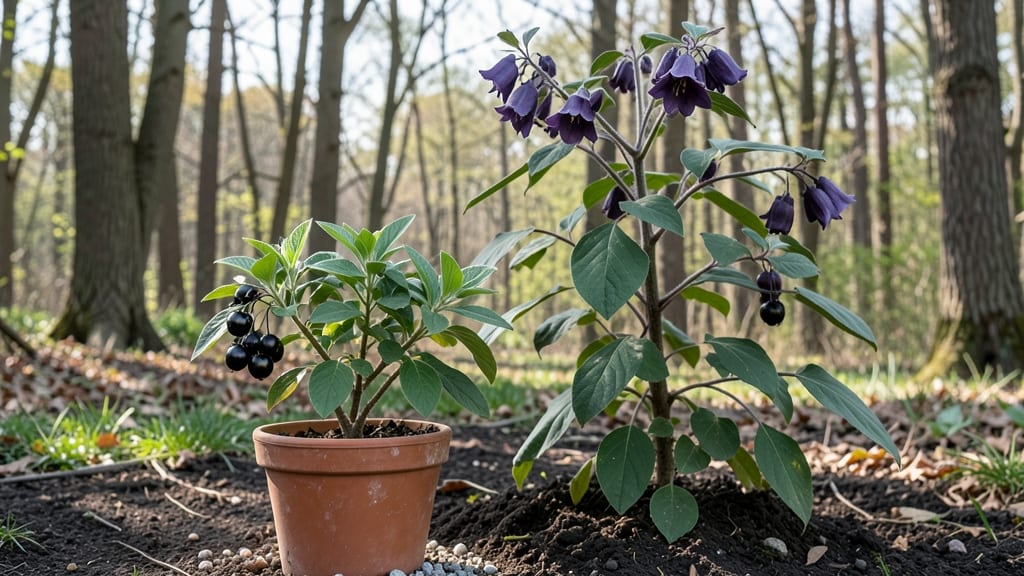
Belladonna and nightshade plants can look eerily similar, but one is deadly while others are staples in your kitchen. 🌿 The confusion starts with their shared family—Solanaceae—but only Atropa belladonna (deadly nightshade) packs the toxic punch that makes it dangerous.
Most "nightshades" you know—tomatoes, peppers, potatoes—are safe (and delicious), while belladonna’s glossy black berries and drooping flowers demand caution. Growing conditions for belladonna are simple: partial shade, well-drained soil, and consistent moisture. It thrives in temperate climates but spreads aggressively—never plant it near children or pets.
Edible nightshades, like peppers or eggplants, need full sun and richer soil, rewarding you with vibrant blooms and harvests instead of poisonous berries. The key difference? Toxicity. Belladonna’s alkaloids can be lethal, while most nightshades are nutrient-packed.
Even ornamental nightshades (like Solanum pseudocapsicum) are less dangerous but still require gloves when handling. Always double-check plant labels—your life (or your dog’s) could depend on it.
For gardeners, the takeaway is clear: embrace the safe nightshades for cooking and beauty, but keep belladonna out of reach—preferably out of your garden entirely. When in doubt, research before you plant!
The first product explained
Meet Belladonna Botanicals’ "Moonflower Nightshade Blend"—a meticulously crafted, non-toxic ornamental plant mix designed for gardeners who love the dramatic allure of nightshade plants but want to skip the risks.
This stunning hybrid blend is inspired by the Atropa belladonna (deadly nightshade) aesthetic but features 100% safe, non-poisonous varieties that thrive in gardens, containers, or even as striking houseplants. 🌙✨
📏 Key Specs & Features
This premium blend includes five carefully selected nightshade-family plants, each chosen for their belladonna-like beauty but with zero toxicity. Here’s what you get:
- Black Cherry Tomato (Solanum nigrum) – Deep purple foliage and glossy black berries (edible when cooked!).
- Purple Prince Potato (Solanum tuberosum) – Vibrant purple leaves and stems, perfect for containers.
- Angel’s Trumpet (Brugmansia × candida) – Fragrant, bell-shaped flowers (mildly intoxicating scent, not poisonous).
- Calibrachoa (Million Bells®) – Tiny, bell-shaped flowers in shades of purple, pink, and white.
- Dwarf Eggplant (Solanum melongena 'Fairy Tale') – Compact, ornamental varieties with striking purple blooms.
Growth Habits: Most plants in this blend reach 12–36 inches tall, making them ideal for borders, hanging baskets, or as focal points. They thrive in full sun to partial shade and are drought-tolerant once established.
🎯 Who’s This For?
This blend is perfect for:
- 🌿 Beginners – Easy to grow with minimal fuss.
- 🏡 Urban gardeners – Compact sizes work great in patios or balconies.
- 👩🌾 Pet owners – Non-toxic to cats, dogs, and kids!
- 🎨 Gothic/steampunk gardeners – Dark foliage and dramatic flowers fit moody aesthetics.
- 🍽️ Edible gardeners – Some varieties (like Black Cherry Tomato) are safe to harvest.
💰 Price Point & Value
Priced at $29.99 for a 4-pack of 3-inch pots (or $49.99 for a 6-pack premium set), this blend offers unmatched variety for the price. Compare that to buying each plant separately—you’d easily spend $60+!
Plus, Belladonna Botanicals includes a free growing guide with tips on maximizing your plants’ dramatic potential.
💡 Pro Tip: Pair this blend with non-toxic silver foliage plants (like lamb’s ear or dusty miller) to create a hauntingly beautiful "witch’s garden" without the risks!
The second product explained
🌿 Meet Nightshade Herb Garden Kit—Your Safe, Educational Entry into the World of Nightshade Plants!
If you're eager to explore nightshade plants safely and legally, this all-in-one kit is your perfect companion.
Designed for beginners and plant enthusiasts alike, it includes everything you need to grow non-toxic, ornamental nightshades like Solanum pseudocapsicum (Jerusalem cherry) and Solanum melongena (ornamental eggplant), which are visually stunning but not deadly like belladonna.
📋 Key Specs & Features
- Plant Varieties: 3 non-toxic nightshade seeds (Jerusalem cherry, ornamental eggplant, and black nightshade Solanum nigrum—edible when cooked).
- Growing Kit Includes:
- Biodegradable seed-starting pots
- Organic potting mix
- Plant markers with care guides
- Grow light (LED, energy-efficient)
- Size: Compact 12"x8" grow tray (fits on windowsills or small shelves).
- Yield: 3-5 mature plants per kit (depending on variety).
- Harvest Time: 8-12 weeks for ornamental varieties; black nightshade berries mature in ~3 months.
- Safety First: Comes with a detailed safety guide explaining how to distinguish deadly nightshades (like belladonna) from safe ones.
🎯 Who’s This For?
This kit is ideal for:
- 🌱 Beginner gardeners who want to dip their toes into nightshade plants without risk.
- 👩🏫 Educators teaching botany or plant safety (great for classrooms!).
- 🏡 Urban gardeners with limited space—perfect for balconies or windowsills.
- 👀 Plant collectors who love unique, decorative foliage and berries.
- 👨👩👧👦 Families (with supervision!) curious about edible vs. toxic plants.
💰 Price Point & Value
Priced at $39.99, this kit offers exceptional value for what you get:
| Feature | Value |
|---|---|
| Comparable seed-only kits | $12–$18 |
| Full grow kit (pots, soil, light) | Adds $25–$40 elsewhere |
| Safety guide + educational content | Priceless! |
💡 Pro Tip: Pair this kit with the Belladonna vs. Nightshade ID Card (sold separately) for a complete learning experience—just $5 more!
With its safe, legal, and visually rewarding nightshade varieties, this kit lets you enjoy the beauty of the family without the dangers. Grow with confidence!
Head-to-head comparison
When it comes to distinguishing between belladonna and nightshade, the differences can be subtle but critical—especially since some nightshades are deadly while others are edible. Below, we break down their key traits in a side-by-side comparison to help you stay safe in the garden (or the wild!).
🌱 Botanical Classification & Toxicity
This is where things get serious. Not all nightshades are belladonna, and not all belladonna is nightshade—but they’re all related in the Solanaceae family. Here’s the breakdown:
| Trait | Belladonna (Atropa belladonna) | Nightshade (Solanum spp.) |
|---|---|---|
| Common Names | Deadly nightshade, dwale, belladonna | Black nightshade, deadly nightshade (some species), eggplant, tomato, potato, pepper |
| Toxicity Level | ⚠️ Extremely toxic (contains atropine, scopolamine) | ⚠️ Varies wildly:
|
| Plant Structure |
|
|
🔍 Visual Identification
If you’re foraging or gardening, never rely on taste or smell—many toxic plants are odorless. Instead, focus on these visual cues:
- Flowers:
- Belladonna: Purple, bell-shaped, drooping (like a tiny trumpet)
- Nightshade (e.g., Solanum nigrum): Small, white or purple, star-shaped
- Berries:
- Belladonna: Shiny black, cherry-sized (one berry = deadly dose)
- Nightshade (edible): Red, orange, or yellow (e.g., tomatoes, peppers)
- Nightshade (toxic): Black or green berries (e.g., Solanum nigrum)
- Leaves:
- Belladonna: Oval, slightly wrinkled, alternate arrangement
- Nightshade: Hairy or smooth, often lobed or serrated (e.g., potato leaves)
Pro Tip: 💡 When in doubt, throw it out! If you’re unsure about a plant, avoid ingesting any part of it. Some nightshades (like Solanum dulcamara) can cause severe illness even in small amounts.
🌿 Growth Habits & Habitat
Where these plants thrive can give you clues about their identity:
| Trait | Belladonna | Nightshade (General) |
|---|---|---|
| Preferred Climate | Temperate regions (Europe, North America, Asia) | Warm to temperate (global, including tropical) |
| Growth Type | Perennial shrub (woody stem, 3–5 ft tall) |
|
| Common Locations |
|
|
💊 Health Risks & Symptoms
Ingesting belladonna or toxic nightshade can lead to life-threatening symptoms. Here’s what to watch for:
- Belladonna Poisoning:
- Dry mouth, blurred vision
- Rapid heartbeat, hallucinations
- Seizures, coma (in severe cases)
- Toxic Nightshade Poisoning (e.g., Solanum nigrum):
- Nausea, vomiting, diarrhea
- Drowsiness, confusion
- Respiratory failure (in extreme cases)
What to Do If Exposed: 🚑
- Call poison control or emergency services immediately.
- Do not induce vomiting unless instructed by a professional.
- Seek medical help even if symptoms seem mild.
🌍 Safe vs. Dangerous Nightshades
Not all nightshades are created equal! Here’s how to tell the safe ones apart from the deadly look-alikes:
| Plant | Edible? | Key Features | Toxic Look-Alike |
|---|---|---|---|
| Tomato | ✅ Yes | Green leaves, yellow flowers, red fruit | ❌ Solanum nigrum (black nightshade) |
| Potato | ✅ Yes (when cooked) | Large leaves, white/purple flowers, tubers | ❌ Green potatoes (contain solanine) |