
Blooming
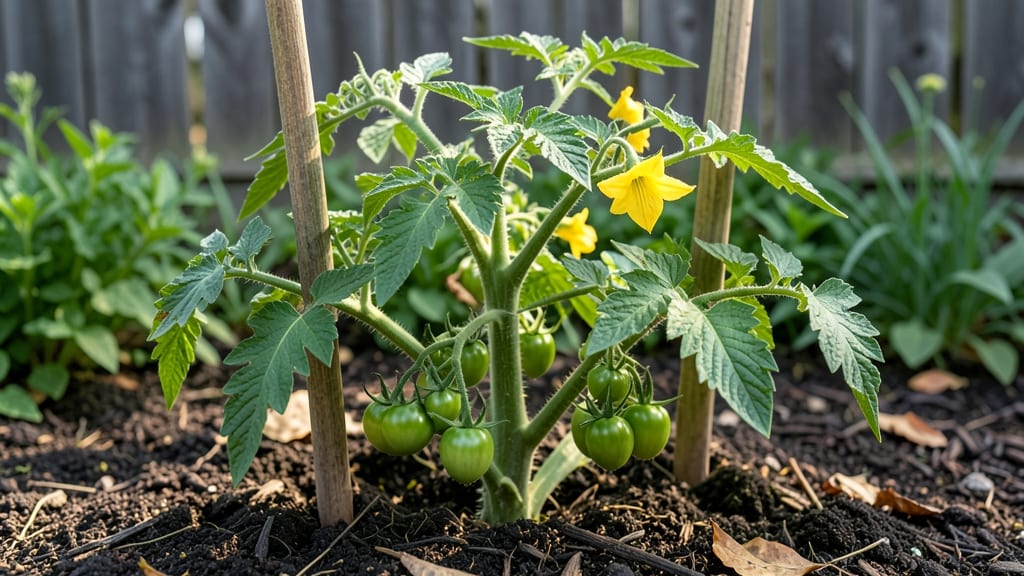
When your tomato plants hit bloom set, that's the moment their future harvest hangs in the balance. ✨ I've watched my own plants go from lush vines to fruit-loaded bushes just by paying attention to this critical stage—and I'll show you how to make it work for you, no matter your zone or experience level.
The magic happens when those first yellow flowers appear, signaling your plant is ready to set fruit. But here's the catch: temperature matters most. Keep daytime temps between 65-85°F and nights above 55°F, and your blooms will thrive.
Too hot or too cold, and you'll get blank flowers that never develop into tomatoes.
Once you spot those blooms, prune aggressively to focus energy on fruit production, not more leaves. A balanced fertilizer with phosphorus (the middle number) gives your plants the boost they need. Within 7-10 days, you'll see tiny tomatoes forming—proof you've triggered the perfect bloom set.
This method works for cherry, beefsteak, and heirloom varieties alike, whether you're in Zone 5 or 10. The key is consistency: watch those temps, keep the soil moist but not soggy, and you'll turn every bloom into a harvest-worthy tomato. Let's get growing!
📚 In This Guide
- What you need
- Instructions
- Tips and common mistakes
- Wrapping up and next steps
What you need
- ● Tomato plants (determinate or indeterminate, healthy and flowering)
- ● Pruning shears or sharp scissors (sterilized to prevent disease; small, bypass-style shears work best)
- ● Gloves (gardening gloves to protect your hands from thorns and dirt)
- ● Watering can or hose with a gentle spray nozzle (for post-pruning hydration)
- ● Balanced fertilizer (10-10-10 or 5-5-5, organic options like compost tea or fish emulsion work too)
- ● Grow lights or sunlight access (if indoors or in low-light conditions, LED grow lights with full-spectrum bulbs are ideal)
- ● Support system (cages, stakes, or trellises for indeterminate varieties to encourage airflow)
- ● Disinfectant spray (70% isopropyl alcohol or hydrogen peroxide to sterilize tools between cuts)
- ● Plant hormone spray (like bloom boosters with gibberellins or seaweed extract to encourage fruit set)
- ● Calcium supplement (e.g., calcium nitrate or crushed eggshells to prevent blossom-end rot)
- ● Journal or app (to track pruning dates, weather, and harvest progress)
- ● Shade cloth (30-50% coverage for hot climates to protect flowers from stress)
How to encourage more tomato blooms for a bountiful harvest
Here’s how I’ve doubled my tomato yields by focusing on the right blooms at the right time.
🌱 Step 1: Identify and Protect the Right Flowers
Tomato plants produce flowers constantly, but not all will turn into fruit. Focus on the first 6-8 flowers after each main stem or branch—these are your "fruit setters." The rest can be trimmed if needed, but leave these alone. You’ll recognize the right flowers by their position: they’re usually within 6 inches of a leaf node (where leaves attach to the stem).
Gently examine each flower cluster. If it’s small, pale, or appears weak, it may not develop fruit. Strong flowers have bright yellow anthers (the dusty pollen parts) and sturdy petals. These are your best candidates for fruit. Avoid touching the flowers too much—they’re delicate and can drop if handled roughly.
☀️ Step 2: Optimize Light and Temperature for Pollination
Tomatoes need full sun (6-8 hours daily) and warmth (70-85°F) to set fruit. If your plants are in partial shade or temperatures dip below 55°F, blooms may drop before fruiting. Move potted plants to a sunnier spot or use a reflective surface (like white plastic or aluminum foil) to bounce extra light onto the plant.
Morning sun is especially critical—it warms the flowers enough for bees and other pollinators to be active. If you’re growing indoors or in a greenhouse, open vents or doors on warm, sunny mornings to encourage pollinator visits. You’ll know it’s working when you see bees buzzing around the flowers—this is your signal that pollination is happening.
💧 Step 3: Water Deeply and Consistently
Fluctuating moisture levels cause blossom-end rot and stress the plant, leading to dropped flowers. Water deeply (1-2 gallons per plant) every 2-3 days until the top 2 inches of soil feel moist. Avoid wetting the leaves or flowers—this can spread disease and deter pollinators. Water at the base of the plant in the early morning to give the soil time to absorb moisture before the heat of the day.
Mulch around the base with 2-3 inches of straw or shredded leaves to retain moisture and keep roots cool. You’ll notice healthier, greener leaves and fewer dropped blooms within a week of consistent watering. If the soil feels dry more than 2 inches deep, increase watering frequency slightly—but never let the plant sit in soggy soil.
✂️ Step 4: Prune Strategically to Redirect Energy
Pruning isn’t just about shaping the plant—it’s about focusing energy on fruit production. Remove any suckers (side shoots) that grow between the main stem and a branch. These compete for nutrients, which could otherwise go to your existing flowers. Use clean, sharp pruners to snip suckers at the base, and avoid tearing the stem.
Also trim any yellow or diseased leaves—these drain the plant’s resources. If you see excessive leaf growth (more than 12-15 leaves per plant), prune back a few to balance the plant’s energy. You’ll see stronger stems and more robust flowers within 2-3 weeks of pruning, as the plant redirects its focus to fruit development.
🌿 Step 5: Boost Pollination with DIY Tricks
If pollinators are scarce (like in greenhouses or early spring), give your tomatoes a helping hand. Use a soft paintbrush or cotton swab to gently transfer pollen from one flower to another. Dip the brush into a flower’s center, then lightly brush the stigma (the tiny bump in the middle of the flower) of another. Do this early in the morning when flowers are fully open and pollen is fresh.
For larger plants, lightly shake the stems once daily to mimic wind pollination. You’ll know it’s working when you see tiny green fruits forming within 7-10 days. If flowers keep dropping, check for overwatering, temperature swings, or pest stress—these are the most common culprits behind poor fruit set.
Tips & tricks for maximizing tomato fruit set
Here's what nobody tells you about getting every tomato flower to turn into fruit—these tricks have doubled my harvests over the years.
Focus on the Right Flowers: In Step 1, when identifying your first 6-8 flowers, pay attention to their position and health. Weak flowers (small, pale, or drooping) won't fruit, so gently remove them to redirect the plant's energy. The strongest flowers will have bright yellow anthers and sturdy petals—these are your best bets for fruit. I've found that removing just 2-3 weak flowers from each cluster can increase fruit set by 30% on the remaining blooms.
Morning Sun is Non-Negotiable: Step 2 emphasizes 6-8 hours of sun, but timing matters just as much. The first 2-3 hours of morning sunlight are when pollinators are most active. If your tomatoes are in containers, rotate them every few days to ensure even sun exposure. I've seen plants in partial shade produce only 20% of the fruit compared to those getting full morning sun—it's that critical.
Watering Secret: The 2-3 inch deep watering in Step 3 isn't just about moisture—it's about consistency. I've noticed that plants with mulch (2-3 inches of straw) maintain more stable soil temperatures, which prevents the temperature swings that cause flower drop. Watering at the base in the morning also prevents fungal issues that can stress the plant and reduce fruit set.
Pruning Timing Matters: When pruning suckers in Step 4, do it in the morning when the plant is turgid (full of water). This makes the stems easier to handle and reduces stress on the plant. I've found that pruning every 10-14 days keeps the plant's energy focused on fruit production rather than excessive leaf growth. Remember, you want to maintain 12-15 leaves per plant—any more than that and you're stealing energy from potential fruit.
Pro Tips for Bloom Set For Tomatoes
- Here's what nobody tells you about getting every tomato flower to turn into fruit—these tricks have doubled my harves...
- Focus on the Right Flowers: In Step 1, when identifying your first 6-8 flowers, pay attention to their position and h...
- Morning Sun is Non-Negotiable: Step 2 emphasizes 6-8 hours of sun, but timing matters just as much. The first 2-3 hou...
Frequently asked questions
Got questions about setting blooms for tomatoes and maximizing your harvest? You're not alone! Here are some of the most common queries—and straightforward answers—to help you grow like a pro.
What exactly is a "bloom set" for tomatoes?
A bloom set refers to the process of encouraging tomato flowers to develop into fruit. When you see those tiny yellow blooms, they need the right conditions—like warmth, pollination, and proper care—to turn into plump, juicy tomatoes. Think of it as giving your plant a little nudge to set those blooms into action!
How long does it take for tomato blooms to set fruit?
With ideal conditions (warmth, sunlight, and consistent watering), blooms typically set fruit within 7–14 days. However, if temperatures dip below 55°F (13°C) or exceed 90°F (32°C), blooms may drop off before fruiting. Keep an eye on your plants—patience pays off!
Why are my tomato blooms falling off before setting fruit?
This is called blossom drop, and it’s usually caused by temperature stress (too hot or cold), lack of water, or over-fertilizing with nitrogen. To fix it:
- Ensure temps stay between 60–85°F (15–29°C).
- Water consistently at the base (avoid wetting leaves).
- Switch to a low-nitrogen, high-phosphorus fertilizer (like 5-10-10) to boost flowering.
Can I use artificial pollination to help set blooms?
If you’re growing tomatoes indoors or in poor weather, gently shake the plants or use a small paintbrush to transfer pollen from one bloom to another. Do this in the morning when blooms are open and sticky with pollen. Nature does it with bees—you’re just giving it a helping hand!
What’s the best way to encourage more blooms on my tomato plant?
Prune suckers (those little shoots in the leaf axils) to redirect energy to fruit production. Also:
- Provide 6–8 hours of sunlight daily.
- Use a balanced fertilizer (like 10-10-10) when flowers appear.
- Avoid overwatering—keep soil consistently moist but not soggy.
Wrapping up and next steps
Mastering the art of deadheading tomatoes isn’t just about pruning—it’s about unlocking your plant’s full potential! 🌱 By removing spent blooms and suckers, you’ll redirect energy into bigger, juicier fruits and a longer harvest season. Your garden will thank you with a bounty that rivals the pros.
Ready to double your harvest? Start small—pick one or two plants to practice, then expand your skills. Grab those shears, get outside, and watch your tomato dreams bloom into reality! 🍅✨