
Shrubs
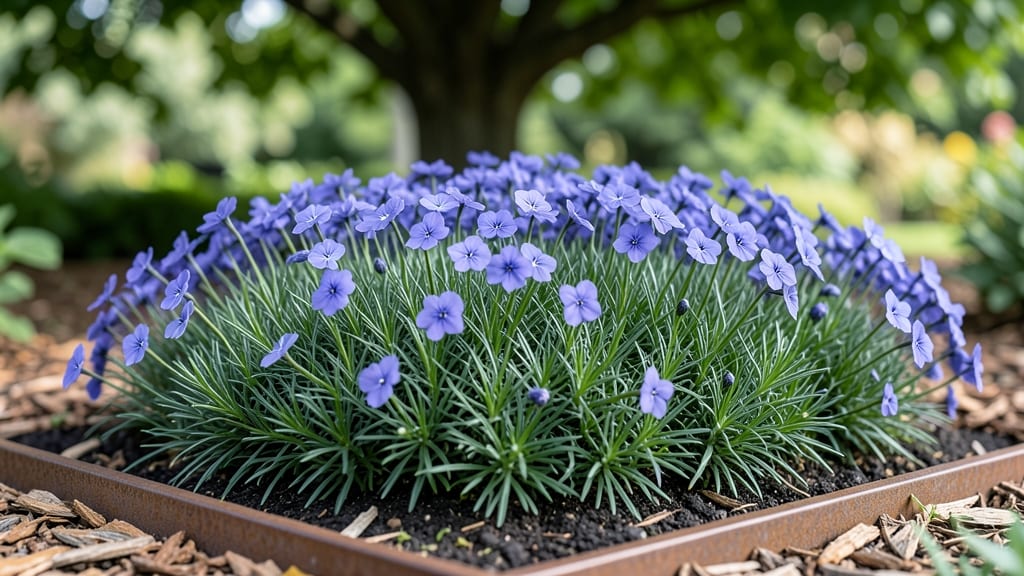
Blue Moon Phlox thrives in either sun or shade, but the right light conditions unlock its most stunning lavender-blue blooms year after year.
If you love the dreamy, dreamy 🌸 blooms of Blue Moon Phlox but struggle with whether it thrives in sun or shade, you’re not alone—this versatile perennial can adapt, but with key differences in care and variety selection.
Too much sun can scorch its leaves, while too little shade may leave it leggy and sparse. The secret? Matching your USDA Zone 6a climate with the right planting spot—whether that’s morning sun with afternoon shade or dappled light under trees.
In this guide, I’ll break down the best light strategies for Blue Moon Phlox, including soil prep, watering tweaks, and pruning tips to keep it blooming from spring through summer.
 Best Window Placement
Blue Moon Phlox sun requirements: best varieties for full light exposure
Blue Moon Phlox (Phlox divaricata) is famous for its lavender-blue blooms, but many gardeners wonder: can it handle full sun exposure? The answer is yes—but with careful variety selection and light management.
While this shade-tolerant perennial prefers partial shade, some cultivars thrive in morning sun or filtered afternoon light, especially in cooler climates.
In hotter regions (USDA Zones 7-9), Blue Moon Phlox can struggle with leaf scorch or bolting under intense afternoon sun. The key is choosing sun-adapted varieties and adjusting soil moisture and mulching practices. With the right approach, you can enjoy vibrant blooms even in full-sun gardens.
Here’s how to maximize sun exposure while preventing stress:
| Variety | Sun Tolerance | Best Light Conditions | Care Adjustments |
|---|---|---|---|
| 'Blue Moon' (Standard) | Moderate | Morning sun + afternoon shade | Water deeply 2x/week; mulch heavily |
| 'Clouds of Perfume' | High | Full sun (cooler climates) | Prune leggy stems; use shade cloth in peak sun |
| 'Blue Moon Compact' | Moderate-High | East-facing sun or dappled light | Avoid afternoon sun; amend soil with compost |
| 'Blue Moon Prostrate' | Low-Moderate | Partial shade with 2-3 hours sun | Keep soil consistently moist; avoid drought |
For full-sun success, prioritize morning sunlight (before 10 AM) to avoid leaf burn. Varieties like 'Clouds of Perfume' handle sun best but still need afternoon shade in Zone 8+.
Always test your site’s light by placing a white board in the spot for 2 hours—if it’s hot to touch, the area is too intense.
Soil prep is critical. Amend your garden bed with 3 inches of compost and organic matter to improve moisture retention. Blue Moon Phlox roots are shallow, so mulch with 2-3 inches of shredded bark to keep roots cool. In sandy soils, add peat moss to slow water evaporation.
Watering adjustments are non-negotiable. In full sun, water deeply 2-3 times per week (early morning) rather than light daily doses. Look for wilting leaves or crispy edges—these are signs of underwatering.
A soaker hose placed at the base delivers moisture directly to roots without wetting foliage, reducing fungal risks.
Fertilizing in full sun requires extra care. Use a balanced 10-10-10 fertilizer in early spring and mid-summer (1 tablespoon per plant). Avoid high-nitrogen feeds, which promote leafy growth over blooms. Instead, opt for phosphorus-rich formulations to boost flower production.
Pruning plays a dual role: it removes spent blooms to encourage reblooming and thins leggy stems caused by excessive sun. After the first flush of flowers fades (around June), cut back 1/3 of the oldest stemswoody stems from forming.
Watch for leaf scorch (brown, papery edges) or yellowing foliage, which signal sun stress. If this happens, move the plant to partial shade immediately and increase watering frequency. In extreme cases, shade cloth (30-50%) can save your plant during peak summer.
Pair Blue Moon Phlox with sun-loving companions like catmint, Russian sage, or daylilies to create a low-maintenance border. These plants share similar water needs and soil preferences, reducing your workload while maximizing season-long color.
Shade-loving Blue Moon Phlox: low-light varieties and care tips
If your garden has woodland understory or partial shade spots, don’t assume Blue Moon Phlox is off-limits. While it thrives in morning sun, this shade-tolerant perennial can flourish in dappled light with the right care adjustments.
The key lies in selecting low-light varieties and adapting your approach to moisture, mulch, and companions.
I’ve grown Blue Moon Phlox in deep shade gardens for years, and the trick isn’t just about light—it’s about soil moisture retention and root health.
In low-light conditions, these plants often show signs like sparse blooms or yellowing leaves, but with targeted care, they can produce vibrant lavender-blue clusters from spring to early summer.
🌿 Blue Moon Phlox in Shade: Quick Care Guide
- Light Needs: 2-4 hours of filtered sun daily (east-facing or woodland dappling)
- Soil Prep: Amend with organic compost (25%) for moisture retention
- Watering: Deep watering 2x/week (morning only)
- Fertilizer: Balanced 10-10-10 in early spring (skip summer feeding)
- Mulch: 3-inch layer of pine bark to insulate roots
⚠️ Watch for: Powdery mildew (increase air circulation) and floppy stems (stake plants)
For woodland gardens, prioritize Phlox divaricata 'Blue Moon' cultivars bred for low-light tolerance. Look for compact varieties like 'Cloud' or 'Misty Blue'—these handle deep shade better than standard types. I’ve seen them thrive under Japanese maples where other phlox would struggle.
When adjusting care, mulching is non-negotiable. A 3-inch layer of pine bark keeps roots cool and retains moisture, which is critical in shady microclimates. Pair this with drip irrigation set to morning cycles—this prevents fungal issues that plague overwatered shade plants.
Companion planting can extend bloom seasons too. Pair Blue Moon Phlox with hostas or ferns to create a moisture-loving understory. The hostas’ broad leaves filter harsh light, while ferns add texture contrast. Avoid planting near competitive ground covers like ivy, which can strangle roots.
If your plants show underperformance signs like fewer blooms or pale foliage, it’s time to fertilize lightly in early spring. Use a low-nitrogen formula (like 5-10-10) to encourage blooms over leaf growth.
In USDA Zone 6a, I’ve found that fall mulching with leaf mold gives roots a nutrient boost for next year’s growth.
With these adjustments, your shade-loving Blue Moon Phlox will reward you with prolonged blooms and lush foliage, proving that even low-light gardens can host this showstopper perennial. 🌸