
Shrubs
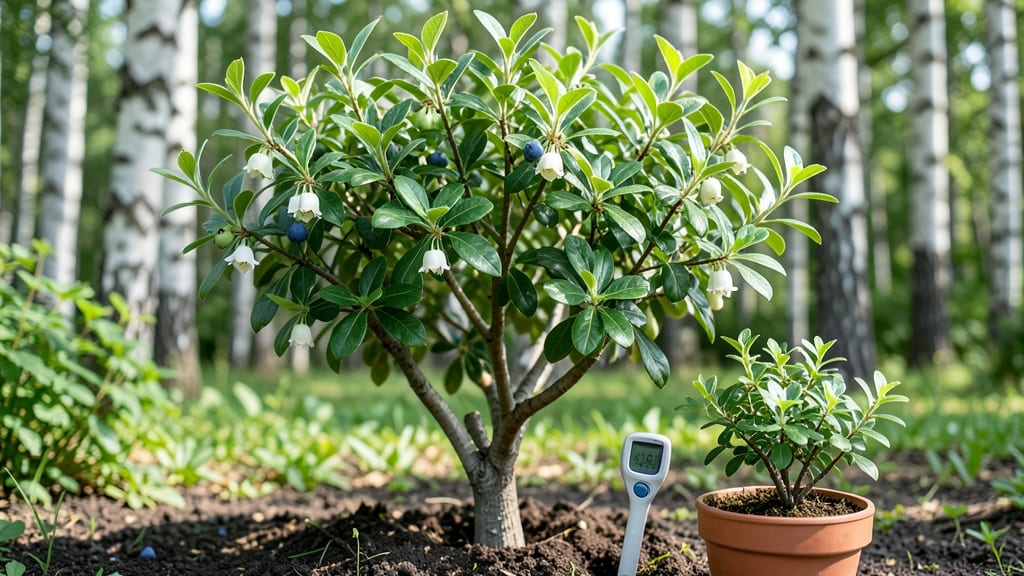
Whether you’re growing blueberries in sun or shade, these hardy bushes can still deliver sweet, juicy fruit with the right care and variety choices.
Picture this: You’ve planted your 🫐 blueberries in a spot that gets only a few hours of morning sun, and now you’re wondering if they’ll ever produce those sweet, plump berries you dreamed of. The good news? With the right approach, shade doesn’t have to mean smaller harvests.
Sunlight is the most critical factor for blueberry growth, but too much direct heat can actually stress the plants in hot climates like USDA Zone 6a.
The trick lies in balancing light exposure, soil acidity, and even the type of blueberry you grow—whether it’s a sun-loving Southern Highbush or a more adaptable Northern Highbush.
In this guide, I’ll break down the best varieties for your light conditions, how to maximize yields in partial shade, and the common mistakes that kill blueberries—so you can enjoy a bountiful harvest no matter where you plant them.
 Best Window Placement
Best blueberry varieties for sun vs. shade conditions
Blueberries thrive when planted in the right light conditions, but not all varieties have the same needs. Full sun (6+ hours daily) produces the most robust plants and highest yields, but some varieties tolerate partial shade—especially in hot climates where afternoon shade prevents stress.
The key is matching your garden’s light conditions with the right blueberry cultivar.
Most blueberries prefer 6-8 hours of sunlight, but shade-tolerant varieties can handle as little as 3-4 hours of direct light. Southern gardens often benefit from afternoon shade, while northern climates may need varieties that handle full sun exposure. Let’s break down the best options for your light situation.
Here’s a quick comparison of top sun-loving, shade-tolerant, and adaptable varieties to help you choose the perfect match for your garden’s conditions.
Bluecrop is my top recommendation for gardeners with full sun exposure. This variety thrives in 6-8 hours of sunlight and produces 2-3 pounds of berries per plant, making it ideal for large harvests. Its sweet-tart flavor and cold hardiness also make it a favorite in USDA Zones 4-7.
If your garden only gets partial shade, consider Jersey or Top Hat. These varieties tolerate 3-5 hours of sunlight and still produce flavorful berries, though yields may be slightly lower. Jersey is particularly adaptable, handling 4-6 hours of light while maintaining a sweet, firm texture.
For hot climates where afternoon sun can stress plants, Duke is a standout. It thrives in full sun but has built-in heat tolerance, producing large, sweet-tart berries even in Zone 8+. Plant it near a west-facing wall for afternoon shade if needed.
Dwarf varieties like Top Hat are perfect for containers or small gardens with limited light. They handle partial shade well and stay compact, making them ideal for patios or balconies. Just ensure the pot has good drainage and use acidic potting mix.
Pro tip: If your garden has morning sun and afternoon shade, most blueberries will thrive. The critical window is the 6 hours before noon—this gives plants enough energy for photosynthesis without overheating. Mulch with pine straw or wood chips to retain moisture and regulate soil temperature.
Remember, soil pH is just as important as sunlight. Blueberries need acidic soil (pH 4.5-5.5). Test your soil and amend with peat moss or sulfur if needed. A thin layer of mulch also helps maintain acidity
How to maximize blueberry yields in low-light gardens
Low-light gardens can still produce abundant blueberries with the right approach. While blueberries prefer 6+ hours of sun, some varieties thrive in partial shade—especially in hot climates where afternoon shade prevents stress.
The key lies in soil optimization, strategic pruning, and companion planting to compensate for reduced light.
Blueberries in shade grow slower but focus energy on fruit production rather than leafy growth. By adjusting your care routine, you can achieve yields nearly as high as sun-exposed plants. Start with acid-loving soil amendments and light-tolerant varieties like 'Top Hat' or 'Patriot' to set yourself up for success.
5 Proven Strategies for Shade-Grown Blueberries
- 🌱 Amend soil with peat moss or pine bark to maintain acidity (pH 4.5-5.5)—critical for nutrient uptake in low light.
- 🪴 Choose dwarf varieties like 'Blueberry 'Bluecrop' or 'Blueberry 'Sunshine Blue'—they handle shade better than standard-sized bushes.
- ✂️ Prune aggressively in early spring to open canopy and improve light penetration to inner branches.
- 💧 Water deeply 2-3x weekly—shade reduces evaporation, but roots still need consistent moisture.
- 🌿 Plant companions like comfrey or clover nearby to fix nitrogen and boost soil fertility naturally.
Container growing is another great option for shade-loving blueberries. Use large pots (15+ gallons) filled with 50% peat moss and 50% compost to mimic acidic forest soil. Place containers near east-facing windows or under dappled shade trees for filtered light.
Fertilize with acid-forming amendments like cottonseed meal in early spring and half-strength fish emulsion mid-summer. Avoid high-nitrogen fertilizers—they promote leafy growth at the expense of fruit development. Instead, focus on phosphorus and potassium to support berry production.
Monitor for powdery mildew in shady conditions—poor airflow encourages fungal growth. Space plants 3-4 feet apart and mulch with pine straw to improve air circulation and retain moisture. Regularly check for yellowing leaves, a sign of iron deficiency common in shade.
With these adjustments, your shade-grown blueberries can yield 2-3 pints per bush annually—just like sun-exposed plants. The trade-off is slower initial growth, but the flavor intensity often improves in cooler, shaded conditions. Happy harvesting! 🫐