
Shrubs
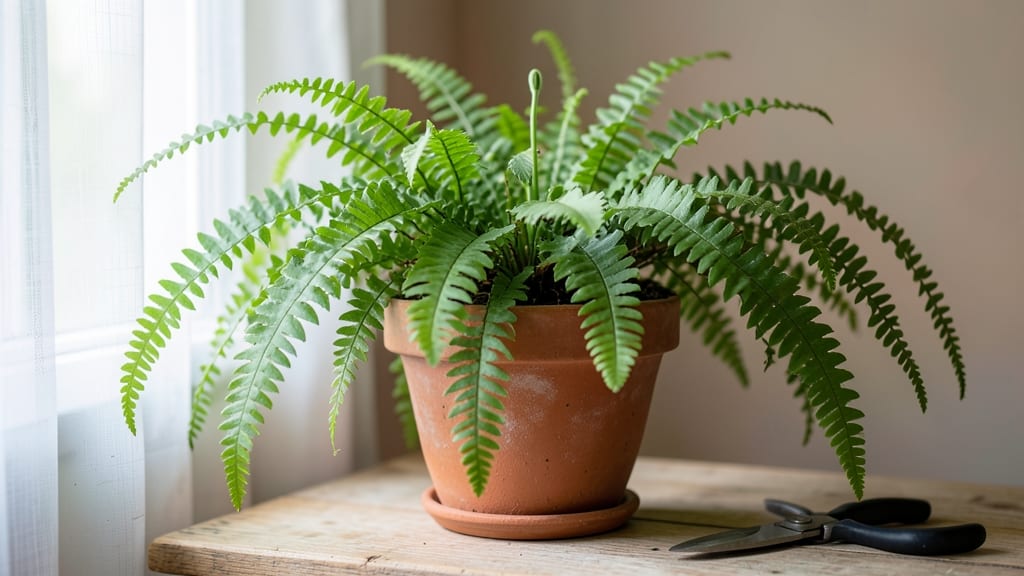
Growing a thriving Boston fern 🌿 in shade isn’t just possible—it’s where these plants truly shine, turning dim corners into lush, green havens.
Struggling to keep your Boston ferns thriving in shady spots? These lush, feathery plants aren’t just for bright spaces—they can flourish in dim corners with the right care, transforming your darkest gardening challenges into verdant success stories.
Too much shade can leave your fern looking sad and sparse, but with the right light balance, soil, and moisture, you’ll see fronds that stay vibrant all season long. The key lies in understanding their needs—whether you’re dealing with deep shade or just dappled light.
In this guide, I’ll walk you through everything from picking the perfect spot to keeping your fern happy with water, humidity, and even the best companion plants to pair with it. Let’s make sure your Boston fern stays the star of your shade garden!
 Best Window Placement
How to choose the perfect shade spot for Boston fern growth
Boston ferns are the unsung heroes of shady gardens, thriving where other plants struggle. Their delicate feathery fronds crave indirect sunlight and high humidity, making them perfect for low-light corners.
But not all shade is equal—understanding the difference between dappled shade and deep shade is key to unlocking their full potential.
The ideal spot for a Boston fern balances filtered sunlight with protection from harsh rays. Think of a north-facing window or the dappled light beneath a deciduous tree. Too much direct sun can scorch fronds, while complete darkness slows growth and causes leggy, sparse foliage.
Let’s break down the perfect conditions and how to spot them in your space.
Humidity plays a critical role in Boston fern success. These tropical plants thrive in 60-70% humidity, mimicking their native rainforest habitat. In dry climates or indoor settings, use a pebble tray or humidifier to recreate their ideal environment.
Watch for crispy frond edges—a classic sign of low humidity.
Assess your space by observing light patterns throughout the day. Place a white piece of paper in potential spots for a few hours. If it stays mostly white, the area has low light.
If it develops yellow or brown spots, direct sun is present. For Boston ferns, aim for bright indirect light with no harsh shadows.
Signs your fern isn’t getting enough light include yellowing fronds, slow growth, and long, sparse stems. Too much light causes brown tips and crispy edges.
Adjust by moving your plant closer to a shade source or adding a sheer curtain to diffuse harsh rays. A simple 180-degree rotation every few weeks ensures even growth.
Outdoor gardeners should plant Boston ferns near hostas or heucheras to create a natural shade microclimate. These companions thrive in similar conditions and help retain soil moisture. In containers, choose glazed pots to slow moisture loss and group plants together to boost humidity.
If your fern’s fronds start turning brown at the tips, it’s often a light or humidity issue. Trim affected areas with clean scissors and increase misting. For leggy growth, prune back overlong stems to encourage bushier fronds.
With the right shade spot, your Boston fern will reward you with year-round lushness. 🌿
Pro tips for maximizing Boston fern health in low-light conditions
Boston ferns thrive in shady spots, but even they need the right care to stay lush and vibrant. The key lies in soil moisture balance, nutrient-rich feeding, and strategic pruning—all tailored for low-light environments.
Without these adjustments, your ferns may develop brown fronds or slow growth, even in dim corners. Let’s unlock their full potential with science-backed strategies.
First, consistent moisture is non-negotiable for shade-grown ferns. Unlike sun-loving plants, they rely on steady hydration to compensate for limited photosynthesis. I’ve found that top-dressing with sphagnum moss helps retain moisture while preventing root rot—a common pitfall in overwatered containers.
Pair this with a well-draining potting mix (like 50% peat moss, 30% perlite, 20% compost) to strike the perfect balance.
When it comes to fertilizer choices, low-light ferns despise heavy feeding. I’ve switched to a fish emulsion (5-5-5) diluted to half-strength during the growing season, applied every 6 weeks.
This gentle approach prevents salt buildup in the soil, which can scorch fronds and stunt growth. Pro tip: Flush the soil with water after fertilizing to remove excess salts.
Avoid these common mistakes that sabotage shade-grown ferns: Overwatering (which causes root rot), using tap water with high chlorine (opt for distilled or rainwater instead), and placing them in drafty spots.
I’ve learned the hard way—my ferns wilted dramatically after a winter draft hit their container. Now, I keep them 2 feet from windows and use a humidifier nearby during dry months.
Finally, pruning techniques make all the difference. Deadhead brown fronds immediately to redirect energy to new growth. For a fuller look, trim the outermost fronds by 1/3 in early spring.
Always use clean scissors to prevent disease spread. With these tweaks, my Boston ferns now thrive in my dim bathroom nook—proof that even the shadiest spots can be fern paradises!
🌿