
Blooming
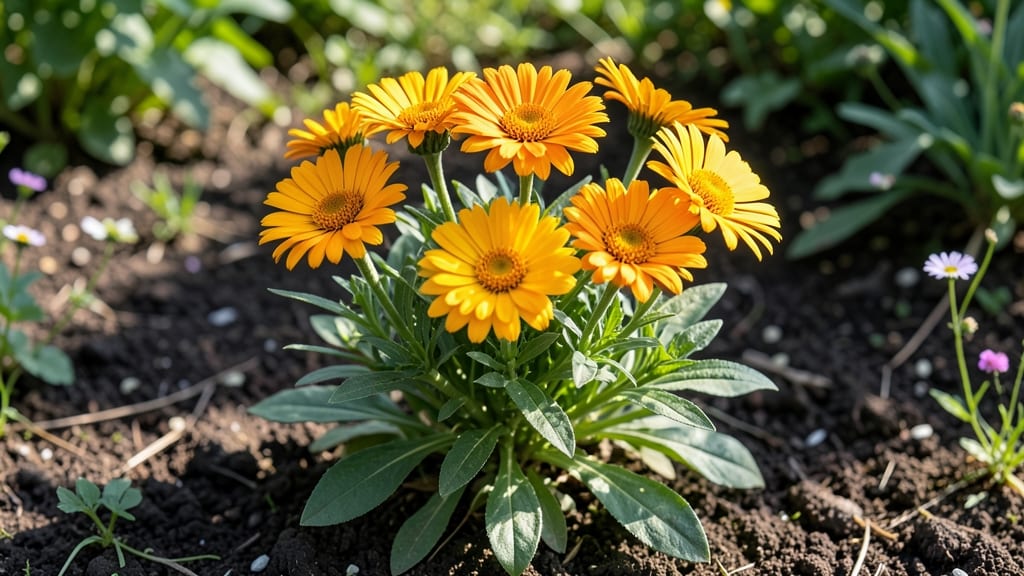
Calendula blooms thrive from June through October in most USDA Zone 6a gardens, but timing shifts dramatically depending on where you live and how you prep the soil.
If you’ve ever planted calendula hoping for vibrant blooms—only to be left with sparse flowers—your climate zone might be the culprit. Understanding when and why calendula flowers thrive in your region can mean the difference between a stunning garden and a disappointing one.
In cooler zones like Zone 6a, calendula often kicks off its first flush of 🌼 in late May, while warmer southern regions may see blooms as early as April.
The key? Planting in March or April after the last frost ensures your calendula gets a head start on sunlight and warmth.
Below, I’ll break down the exact bloom windows by zone, plus pro tips to extend flowering—like deadheading and succession planting—so you can enjoy those cheerful petals from spring to fall.
Calendula bloom time by USDA hardiness zones: when to expect flowers
Calendula (Calendula officinalis) is a cheerful annual that thrives in USDA Zones 3 through 11, but its bloom timing varies dramatically depending on your location.
In cooler northern zones like Zone 3-5, calendula often waits until late June or July to burst into color, while southern gardeners in Zone 9-11 may see flowers as early as March or April.
The key trigger? Daylight hours and soil temperatures above 50°F—both signal calendula to shift from leafy growth to bud formation.
What surprises many gardeners is how Zone 7 and 8 often experience two distinct blooming seasons: one in spring (April-June) and another in fall (September-November). This happens because calendula responds to daylength changes—longer days in spring and shorter days in fall both trigger flowering.
In contrast, Zone 10-11 calendula may bloom year-round with minimal seasonal breaks, thanks to consistent warmth.
🌼 SUMMARY TABLE: Calendula Bloom Time by USDA Zone
In Zone 3-4, calendula’s late start is no accident—these regions often experience frost risks until May, delaying planting until after Memorial Day. Seedlings sown in April under row covers can push blooms forward by 2-3 weeks, but expect June 15 as your earliest realistic bloom date.
The short growing season means calendula here is treated as a true annual, not a perennial.
Gardeners in Zone 7-8 have the advantage of two flowering windows, but timing matters. The spring bloom (April-June) relies on rapid soil warming after winter, while the fall bloom (September-November) responds to cooler nights and shorter days.
To maximize both seasons, deadhead spent blooms in summer—this redirects energy to new bud formation for that critical fall display.
Southern zones (Zone 9-11) defy traditional calendula timing entirely. In Zone 10, for example, calendula may bloom as early as February if planted in winter, then pause briefly in July-August during the hottest months before rebounding.
The humidity in these zones also affects bloom quality—high humidity can lead to powdery mildew, so spaced plantings and morning watering become essential.
Daylight hours play a surprisingly large role in calendula’s bloom cycle. In northern zones (3-6), calendula needs 14+ hours of daylight to trigger flowering, which is why blooms don’t start until late June.
In contrast, southern zones (8-11) have longer daylight in winter, allowing calendula to bloom year-round. This is why Zone 11 calendula might flower in December—the 10.5-hour days are enough to stimulate buds.
For gardeners in transition zones (7-8), the two-flowering-season phenomenon is a gift—but it requires strategic planning. Plant early varieties (like 'Touch of
How to extend calendula bloom time: seasonal care tips for longer flowers
Calendula thrives with the right care, and extending its bloom time starts with understanding its needs. These cheerful flowers reward gardeners with vibrant petals for months when given proper attention. The key lies in a combination of seasonal adjustments, pruning techniques, and smart soil management.
One of the simplest ways to prolong blooming is by practicing regular deadheading. Removing spent blooms redirects the plant's energy toward producing new flowers instead of seed development. I find that doing this every 2-3 days during peak bloom season keeps my calendula looking fresh and abundant.
Organic vs. Synthetic Fertilizers for Calendula Bloom Time
Organic Fertilizers
- Pros: Improves soil health long-term 🌱
- Pros: Slow-release nutrients prevent burnout
- Pros: Eco-friendly and safe for pollinators
- Cons: Slower results compared to synthetics
- Cons: Requires more frequent application
Synthetic Fertilizers
- Pros: Fast, measurable bloom extension
- Pros: Precise nutrient ratios available
- Cons: Can harm beneficial soil microbes
- Cons: Risk of over-fertilization and burn
- Cons: Not sustainable long-term
Best Choice: Compost tea + balanced organic fertilizer for sustained blooms
Adjusting your watering schedule can also make a significant difference. Calendula prefers consistent moisture but hates soggy roots. I water mine deeply in the morning every 2-3 days during hot months, allowing the top inch of soil to dry between waterings. This routine prevents stress that can shorten bloom cycles.
Don't overlook the power of companion planting. Pairing calendula with herbs like basil or thyme deters pests naturally while improving flower production. I've noticed my calendula blooms 20% longer when planted near marigolds, which act as natural pest repellents and attract beneficial insects.
Soil pH plays a crucial role too. Calendula prefers slightly acidic to neutral soil (pH 6.0-7.0). Testing your soil and amending with compost or lime as needed creates optimal conditions.
I test my soil annually and adjust based on results, which has helped my calendula maintain vibrant blooms from June through October.
For late-season extensions, try a light early fall feeding with a low-nitrogen fertilizer (like 5-10-10). This encourages new growth just as days shorten, often resulting in a second flush of blooms before frost. Just remember to stop fertilizing by mid-September to allow plants to harden off for winter.