
Light Requirements
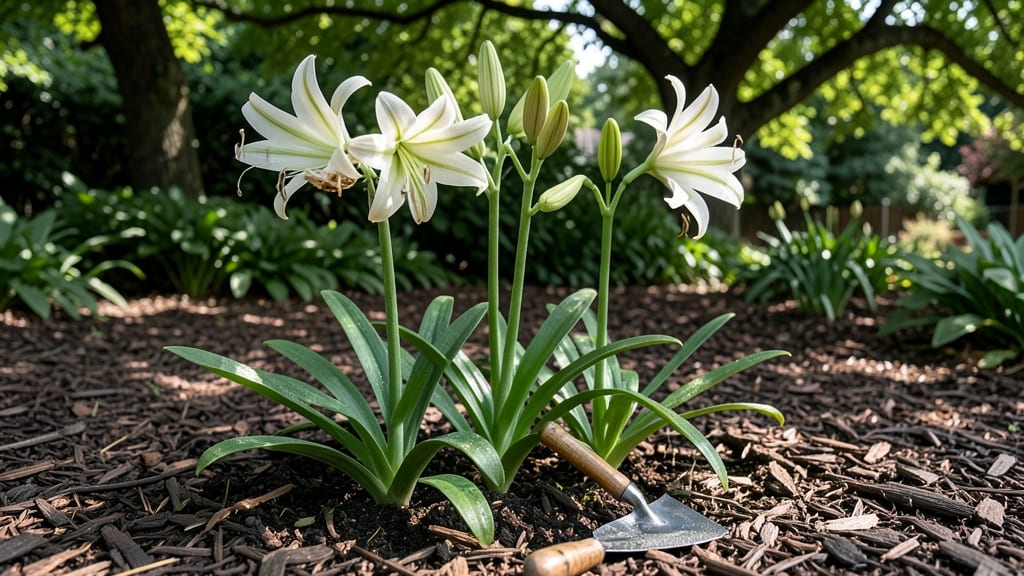
Can lilies grow in shade? Yes, but they perform best with partial shade to full sun, where shade-tolerant types like Wood Lilies or Stargazer Lilies thrive in dappled light or morning sun. Deep shade will slow growth and reduce blooming.
While lilies can adapt to shadier spots, their growth and flowering depend heavily on light exposure. 🌿 Varieties like Wood Lilies or Martagon Lilies tolerate lower light better than sun-loving types, but even they need at least 4-6 hours of indirect light daily to prevent leggy stems and sparse blooms.
I’ve seen shade-grown lilies produce stunning flowers when given morning sun or filtered light through trees—just avoid dense, dark corners where they’ll struggle to photosynthesize effectively.
For optimal results, pair shade-tolerant lilies with nutrient-rich soil and regular mulching to compensate for reduced light. This helps bulbs store energy for next year’s blooms, even in less-than-ideal conditions.
The trade-off? You’ll likely see fewer, smaller flowers compared to sun-exposed plants, but the trade-off is worth it for gardeners with limited sunlight.
💡 In This Article
- Shade-Tolerant Lily Varieties and Their Light Needs
- Optimizing Lily Growth in Low-Light Gardens
Shade-tolerant lily varieties and their light needs
Not all lilies are created equal when it comes to shade tolerance. The Wood Lily (Lilium martagon) stands out as a top performer in low-light conditions, thriving in partial shade with just 3-4 hours of filtered sunlight daily.
Its nodding, cup-shaped blooms even prefer dappled light, where leaves receive intermittent sunlight through tree canopies. Another excellent choice is the Canada Lily (Lilium canadense), which handles morning sun and afternoon shade beautifully—its bright orange flowers can still reach 2-3 feet tall even in these conditions.
These varieties evolved in woodland understories, where they adapted to compete for light with taller plants.
The key difference lies in their leaf structure and chlorophyll distribution.
Shade-tolerant lilies have broader, thinner leaves that maximize light absorption from all angles, while sun-loving varieties like Asiatic or Oriental lilies develop thicker, waxy leaves to prevent water loss in full sun. 🌿 For example, an Oriental Lily in deep shade might produce only 1-2 blooms per stem instead of the usual 5-10, while a Wood Lily might still yield 3-5 flowers under the same conditions.
The trade-off? Shade varieties often have slower growth rates and require 2-3 years longer to reach maturity compared to sun-loving types.
Color also plays a role in shade adaptation. Darker-hued lilies (deep purples, burgundies) tend to handle low light better because their pigments absorb more light energy. The Stargazer Lily, while not the most shade-tolerant, can still produce striking white-and-pink blooms in partial shade with afternoon sun protection.
In contrast, pale yellow or white lilies often struggle in deep shade, as their lighter pigments reflect more light rather than capturing it. This is why gardeners frequently report Martagon Lilies out-performing others in north-facing gardens where light is limited.
Light intensity matters just as much as duration. A spot with 10,000-15,000 lux (bright indirect light) is ideal for shade-tolerant lilies, while deep shade areas often measure 5,000 lux or lower.
To test your garden's light levels, use a light meter or observe how quickly laundry dries in different spots—if it takes 3+ hours to dry, the area likely has insufficient light for lilies.
Even shade-loving varieties will show signs of stress like yellowing leaves or elongated stems if deprived of adequate light.
For gardeners with limited sunlight, consider these three shade-tolerant powerhouses:
- Wood Lily (Lilium martagon): 3-4 hours light, fragrant blooms, 2-3 feet tall
- Canada Lily (Lilium canadense): Morning sun tolerance, bright orange flowers, 3-4 feet tall
- Martagon Hybrid Lilies: Dappled light specialist, nodding blooms, 2-3 feet tall
These varieties prove that lilies can indeed grow in shade—but they'll reward you most when you match their light needs to their natural habitats. 💫