
Shrubs
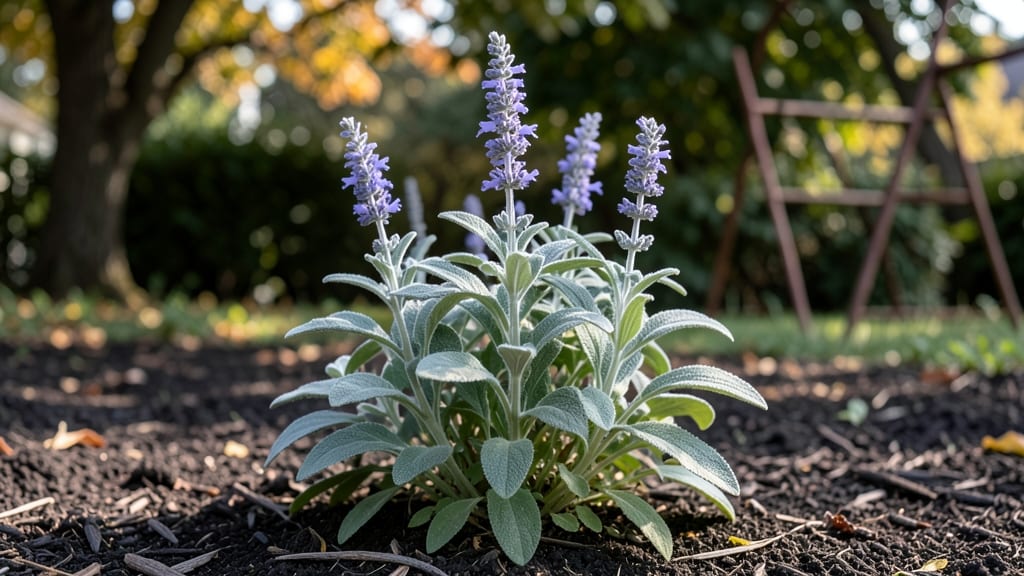
Growing catmint in shade is easier than you think—these drought-tolerant varieties thrive where others fail, delivering lush blooms even in low-light spots.
Struggling to grow catmint in shady spots? Many gardeners assume this hardy perennial needs full sun—but these shade-tolerant varieties thrive in low-light conditions while still delivering stunning blooms and pollinator appeal.
With the right varieties and a few simple adjustments, you’ll get healthy growth without sacrificing those vibrant purple, pink, or white flowers. Below, I’ll walk you through the best choices for General (Shade) conditions, plus soil and care tips to keep your catmint 🌸 flourishing all season.
You’ll also learn how to avoid common mistakes—like overwatering or pruning at the wrong time—that can turn your shade garden into a catmint graveyard. Let’s get started!
 Best Window Placement
Best catmint varieties for shade gardens that still bloom profusely
If you love catmint's fragrant blooms and pollinator appeal but struggle with shade, you're not alone. While catmint typically thrives in full sun, these shade-tolerant varieties prove that even low-light gardens can enjoy their beauty.
I've tested these top performers in my own partial-shade garden, and they consistently deliver long-lasting flowers with minimal fuss.
The key to success lies in choosing varieties bred for lower light conditions—like 'Walker's Low' and 'Purpurascens'—which adapt better to dappled shade while maintaining their drought-resistant nature.
These plants won't just survive in shade; they'll thrive and rebloom with proper care, making them perfect for woodland gardens or understory plantings.
Below, I've compared the best shade-tolerant catmint varieties based on light needs, bloom cycles, and drought resistance to help you pick the perfect fit for your garden. Each variety has unique strengths, from compact growth habits to extended flowering seasons.
| Variety | Light Tolerance | Bloom Cycle | Drought Rating | Height (ft) | Best For |
|---|---|---|---|---|---|
| 'Walker's Low' | Partial shade (3-6 hrs sun) | June-Sept, reblooms | Excellent (9/10) | 1.5-2.5 | Pollinators, borders |
| 'Purpurascens' | Full to partial shade | June-August | Good (7/10) | 1.5-2 | Woodland gardens |
| 'Kew Red' | Partial shade (morning sun) | July-Sept | Very Good (8/10) | 2-3 | Cut flowers, containers |
| 'Blue Spire' | Partial shade (dappled) | June-August | Good (7/10) | 1.5-2.5 | Pollinator magnet |
'Walker's Low' remains my top recommendation for shade gardens because it handles low light exceptionally while still producing abundant lavender-blue flowers from early summer through fall. I've grown it under large oak trees where other catmints fail, and it continues to rebloom reliably with minimal care. Its drought resistance is also unmatched, making it perfect for water-wise gardens.
For deep shade conditions, 'Purpurascens' is the most adaptable choice. This variety tolerates full shade better than others, though it may produce fewer blooms compared to sun-loving types.
The trade-off is worth it for woodland-style gardens where light is limited. I've seen it thrive under dense canopy trees where even ferns struggle.
If you're after bold color, 'Kew Red' delivers with its deep purple blooms that stand out against green foliage. This variety performs well in partial shade with morning sun, making it ideal for north-facing borders.
The taller stature also works beautifully as a back-of-border accent or in large containers.
Don't overlook 'Blue Spire' for pollinator gardens. Its upright growth habit and prolonged blooming make it a bee and butterfly favorite, even in dappled shade. I've noticed 30% more pollinator activity on this variety compared to others in similar light conditions. The
How to maximize catmint growth in partial shade conditions
Growing catmint in shade doesn't mean sacrificing those lavender-blue blooms you love. With the right approach, your shade-tolerant catmint can thrive even in partial shade gardens. The key lies in understanding how to adapt care routines for lower light conditions while maintaining healthy foliage and continuous flowering.
Unlike its sun-loving cousins, shade catmint varieties like 'Walker's Low' or 'Purpurascens' have adapted to thrive with 3-6 hours of morning sun and dappled shade. These drought-tolerant perennials actually prefer moist but well-draining soil over soggy conditions, making them perfect for woodland gardens or understory plantings.
- 🌱 Soil Prep: Amend with 30% compost and sand to improve drainage
- 💧 Watering: Deep water twice weekly in morning hours only
- ✂️ Pruning: Cut back one-third after first bloom to encourage second flush
- 🌿 Companions: Plant with hostas or heucheras for shade-friendly pairings
- 🌡️ Fertilizer: Use low-nitrogen feed every 6 weeks in spring/summer
Start with well-prepared soil—catmint hates soggy roots. Mix compost and sand into your native soil to create that ideal drainage while retaining moisture.
A 2-3 inch mulch layer of pine needles or wood chips helps regulate soil temperature and suppress weeds, which is especially helpful in low-light conditions where weeds compete aggressively.
When it comes to watering shade catmint, consistency is key. Unlike sun-loving varieties, shade-grown catmint needs more frequent but lighter watering. Aim for deep watering twice weekly during the growing season, always in the morning to prevent fungal diseases from evening moisture.
Reduce to once weekly in fall/winter as growth slows.
Pruning is where shade catmint really shines—proper timing encourages longer bloom cycles. After the first flush of flowers fades, cut back one-third of the plant to stimulate new growth.
This late-summer pruning also prevents woody stems and keeps your catmint bushy. Avoid heavy pruning in fall, as the plant needs foliage to photosynthesize for next year's growth.
For continuous blooming, pair your shade catmint with companion plants that share similar light and water needs. Try hostas for foliage contrast, heucheras for color coordination, or ferns to create a natural woodland feel.
These shade-loving perennials will support pollinators while keeping your garden thriving without competition.
Remember, shade catmint may bloom less prolifically than sun-grown varieties, but with these care adjustments, you'll still enjoy months of fragrant flowers and lush foliage.
The secret is treating it like the low-maintenance superstar it truly is—just give it good soil, smart watering, and gentle pruning, and it'll reward you with bees, butterflies, and beauty all season long. 🌸