
Shrubs
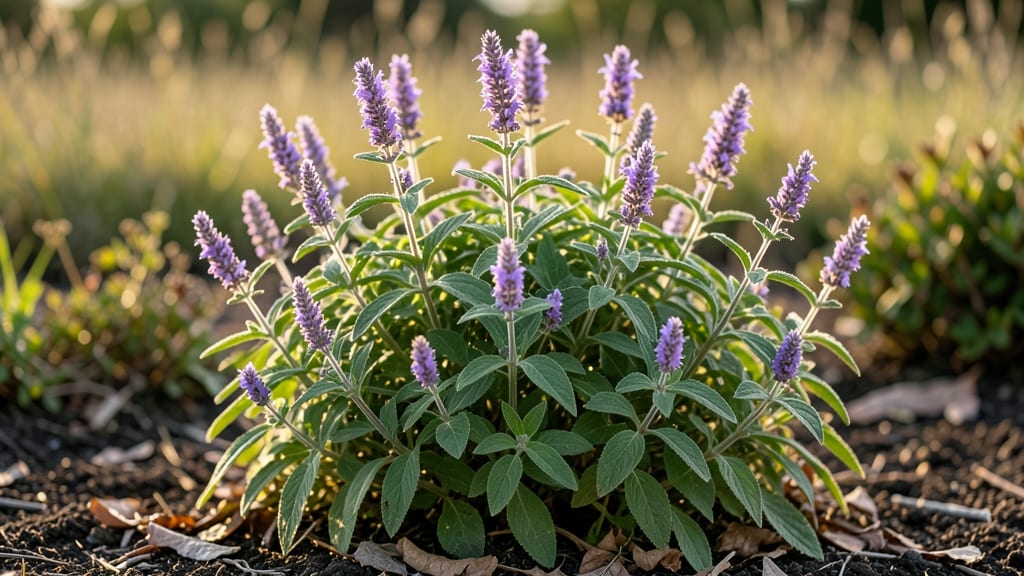
Catnip thrives in sun or shade, but the right balance is the key to growing 🐱-approved foliage that’s lush, aromatic, and full of the oils your cats can’t resist.
Struggling to grow lush, thriving catnip that your feline friends will go wild for? The secret lies in understanding whether this herb thrives in sun or shade—and how to balance light exposure for maximum potency and growth.
Full sun (at least 4-6 hours daily) boosts flavor and growth, but catnip is tough enough to handle partial shade, especially in hotter climates where afternoon sun can scorch leaves.
Below, I’ll break down how to spot light-related stress, adjust for your garden’s conditions, and even pick the best catnip variety for your sun or shade spot.
 Best Window Placement
Catnip light requirements: sun vs shade breakdown for optimal growth
If you've ever grown catnip only to watch it stretch toward the sky like a sleepy cat reaching for sunlight, you're not alone. This herb thrives in 4-6 hours of sunlight daily, but it's surprisingly adaptable to partial shade.
The key is understanding how light affects both its growth and the nepetalactone oil that drives cats wild. Too little sun weakens the plant, while too much can scorch those delicate leaves.
Catnip's light needs aren't just about survival—they directly impact the potency of the oil that makes it irresistible to felines. In full sun, plants produce more nepetalactone, but they also need protection from afternoon heat.
Meanwhile, partial shade can stretch growth while maintaining a balanced oil concentration. Let's break down how to get it just right for your garden.
| Growing Condition | Sunlight Hours | Growth Rate | Oil Production | Best For |
|---|---|---|---|---|
| Full Sun (6+ hours) | 6-8 hours | Fastest growth | Highest potency | Hot climates, containers |
| Partial Sun (4-6 hours) | 4-6 hours | Moderate growth | Good balance | Temperate zones, shade gardens |
| Partial Shade (2-4 hours) | 2-4 hours | Slower growth | Lower potency | Woodland gardens, urban balconies |
For full sun exposure, catnip thrives in locations receiving 6-8 hours of direct sunlight, especially in cooler climates. In my own garden, I've found that catnip planted in a south-facing bed with afternoon shade protection grows the most vigorous.
The trade-off? You'll get maximum nepetalactone production, which means your cats will go absolutely bonkers for it. Just be prepared to monitor for leaf scorch during peak summer heat.
When I moved my catnip to a partial sun location (about 4-6 hours of sunlight), I noticed a slower growth rate but a more compact plant. This setup works beautifully in USDA Zone 6a where summers can be intense.
The key is positioning it where it gets morning sun and afternoon shade, like under a tall tree or near a building with southern exposure. This balance keeps the plant healthy while maintaining decent oil levels.
If you're working with limited sunlight, don't despair—catnip can tolerate 2-4 hours of partial shade, though growth will be slower and oil production lower. I've successfully grown catnip on my north-facing patio using reflective surfaces like white walls to bounce extra light onto the plants.
While this won't produce catnip as potent as full-sun varieties, it's perfect for urban gardeners with shade challenges. Just expect longer stems and fewer leaves per plant.
One surprising fact about catnip's light requirements is how it responds to seasonal changes. In spring, when days are shorter, I've found that catnip benefits from supplemental grow lights to maintain healthy growth. Conversely, in summer, I provide afternoon shade cloth to prevent heat stress.
This seasonal adjustment has made all the difference in keeping my catnip lush year-round. Pay attention to your local climate—cooler regions may need more sun, while hot areas benefit from afternoon shade.
For container growers, light requirements become even more critical. A catnip plant in a 5-gallon pot on a balcony needs at least 4 hours of sunlight daily to thrive. I've experimented with rotating pots to ensure even light exposure, which helps prevent the plant from leaning toward the sun.
Remember, catnip in containers dries out faster, so combine proper light with consistent watering for best results.
To maximize your catnip's oil production, aim for 5-6 hours of sunlight daily during its growing season (spring to early fall). I've noticed that plants receiving this ideal light exposure develop darker green leaves and a more intense aroma.
For the most potent catnip, harvest leaves in the late morning when oil levels peak. This timing ensures your feline friends get the most satisfying experience when they roll in it.
If you're growing catnip for both your garden and your cats, consider planting a combination of sun and shade varieties. This way, you can experiment with different light conditions while ensuring your kitties always have fresh catnip to enjoy.
Just remember: more sun equals more potency, but also more maintenance to prevent leaf burn. Start with a small test patch in your preferred light condition, then expand based on what works best for your specific climate and garden setup.
Whether you're a seasoned gardener or just starting with catnip, understanding these light requirements will help you grow a thriving plant that's both beautiful and irresistible to your feline companions.
With the right balance of sun and shade, you'll have catnip that's lush, aromatic, and ready to drive your cats into a playful
Signs your catnip needs more (or less) sunlight—and how to fix it
Your catnip plant might be silently screaming for help if you're not paying attention to its light exposure. While catnip is famously adaptable, too much or too little sunlight can turn your lush green plant into a sad, leggy shadow of its former self.
The key is recognizing the visual cues that reveal whether your catnip is begging for more sun or crying out for shade.
Start by examining the leaves and stems. Healthy catnip should have vibrant dark green leaves with sturdy stems. If you notice yellowing leaves or stems stretching toward the light, your plant is likely light-deprived.
Conversely, if leaves appear bleached or crispy with a pale hue, it's getting too much direct sun. These subtle signs are your catnip's way of communicating its needs.
⚠️ Catnip Light Stress Warning
Too much sun causes leaf scorch and wilting, while too little sun leads to stunted growth and pale leaves. The ideal balance is 4-6 hours of morning sun with afternoon shade, especially in hot climates. For containers, rotate plants weekly to ensure even light exposure.
If your catnip is growing tall and spindly with sparse leaves, it's clearly starved for sunlight. This "leggy" growth happens when plants stretch toward the nearest light source, often seen in indoor catnip near windows or in shady garden corners.
The fix? Gradually introduce more light—move potted plants to a sunnier spot or thin nearby foliage to allow more sunlight to reach your catnip.
On the flip side, crispy leaf edges or white patches on leaves signal sunburn. This often happens when catnip gets intense afternoon sun without acclimation. To protect your plant, provide afternoon shade using a lightweight shade cloth (30-50% coverage) or move it to a partially shaded area.
Mulching around the base also helps regulate soil temperature and retain moisture.
Seasonal changes can also throw off your catnip's light balance. In summer months, when sunlight is strongest, your catnip might need extra afternoon shade, while spring and fall often provide just the right amount of gentle light.
Pay attention to how your plant responds to these shifts—adjust gradually to avoid shocking the roots with sudden light changes.
For container-grown catnip, location matters even more. A south-facing patio might be perfect in spring but turn into a sun trap by July. If you notice leaf drop or wilting, it's time to relocate your pot to a shadier spot or elevate it slightly to improve airflow.
Remember, catnip is resilient, but even the hardiest plants need the right balance of light and care to thrive.
By tuning into these visual cues and making small adjustments, you'll soon have catnip that's bushy, aromatic, and irresistible to your feline friends. Happy gardening—your cats will thank you! 🐾