
Blooming
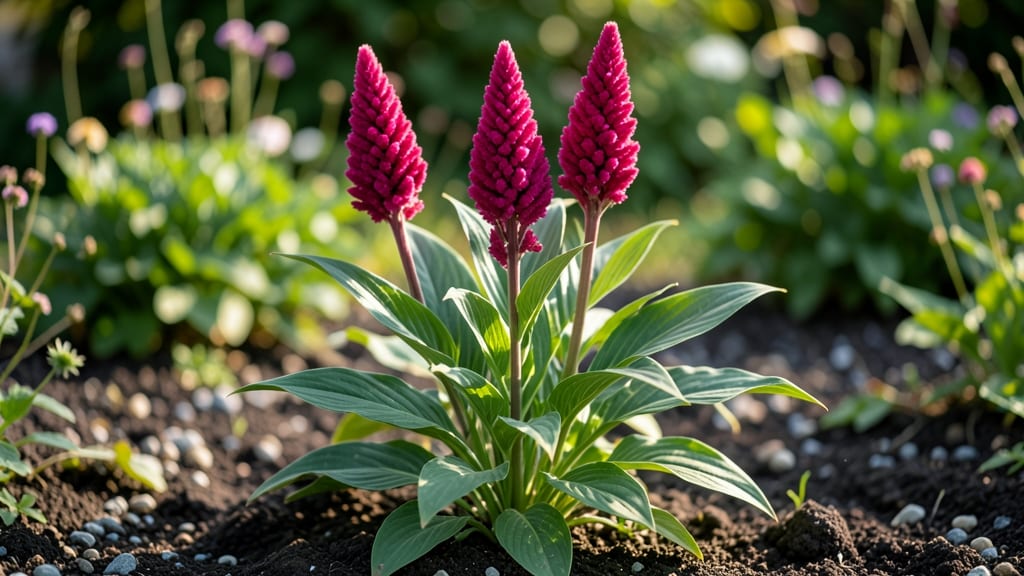
The celosia bloom time in late summer transforms your garden into a fiery display when other flowers fade 🌸.
If you're dreaming of vibrant, fireworks-like blooms that thrive under scorching summer sun, celosia could be your perfect heat-loving plant—but timing is everything.
These striking annuals typically burst into color between July and September, with peak performance in USDA Zone 6a and warmer. The key? Planting in April or May after the last frost ensures you catch their dramatic show when most gardens are winding down.
In this guide, I’ll break down exactly when to expect those show-stopping plumes, how to coax extra weeks of blooms, and which varieties deliver the longest displays—so you never miss a single fiery moment.
When does celosia bloom: exact timelines by variety and climate
Celosia is one of those heat-loving annuals that rewards gardeners with bold, firework-like blooms when planted at the right time. But unlike cool-season flowers, celosia's bloom window depends heavily on variety, temperature, and daylight.
Understanding these factors lets you plan for peak summer and fall color—whether you're in sweltering USDA Zone 11 or milder Zone 7.
The three main celosia types—plumosa (feather celosia), cristata (cockscomb), and argentea (velvet flower)—each have distinct bloom patterns. Plumosa varieties like 'Flamingo Mix' often burst into color earliest, while cristata types such as 'Chocolate Cherry' may lag slightly. Argentea varieties tend to bloom later in the season, extending your garden's show into early fall.
Let's break down the exact timelines you can expect based on where you garden.
| Variety | Bloom Window (USDA 7-11) | Peak Months | Climate Notes |
|---|---|---|---|
| Plumosa (Feather) | July - October | August-September | Early bloomers; thrive in 90°F+ heat |
| Cristata (Cockscomb) | August - November | September-October | Prefers 75-85°F for best color |
| Argentea (Velvet) | September - December | October-November | Late-season; tolerates cooler nights |
| Dwarf Varieties | July - September | August | Compact types bloom 2-3 weeks earlier |
| Tall Varieties | August - October | September | Need staking for best air circulation |
In USDA Zone 11, where temperatures rarely drop below 70°F, celosia can bloom nearly year-round if planted in spring and fall. I've seen plumosa varieties in Miami start flowering as early as June, with argentea types extending color into December before frost.
The key is consistent moisture—these plants wilt quickly when drought-stressed, even in heat.
For USDA Zones 7-9, timing shifts slightly. Plant seeds 4-6 weeks before your last frost date (typically April-May in most regions) for July blooms.
In cooler microclimates, like Zone 7, consider starting seeds indoors in March to give them a head start. Cristata varieties often need warmer soil temperatures (above 70°F) to trigger blooming, so wait until late May in northern areas.
Daylight length plays a surprisingly big role. Celosia is day-neutral, meaning it doesn't rely on specific light periods to bloom—but longer daylight hours (14+ hours) in summer accelerate flowering.
In USDA Zone 8, where I garden, my 'Imperial Purple' cristata always peaks in late August when days start shortening, while 'Tom Thumb' plumosa blooms earlier in mid-July when heat is intense.
One common misconception is that celosia blooms only once. With proper care, you can encourage multiple flushes of flowers throughout the season. Deadheading spent blooms weekly redirects energy to new growth, while light pruning of leggy stems can stimulate side shoots with fresh buds.
In my Zone 9 garden, this technique extends argentea blooms from September through November.
Temperature extremes can disrupt bloom timing. If nighttime temps drop below 50°F, celosia may pause flowering until warmth returns.
In USDA Zone 7, I've noticed plumosa varieties sometimes halt blooming in early September when nights cool—only to rebound in October if frost doesn't arrive. Mulching with straw helps moderate soil temps and prevents this stress.
For gardeners in USDA Zone 10 and 11, the real challenge is preventing bolting. In perpetual summer climates, celosia may flower continuously if not given a short rest period.
I've found that lightly pinching back plants in mid-summer (around July 4th) triggers a second, more vibrant bloom cycle in September. This works especially well for cristata varieties, which often produce deeper reds in cooler fall weather.
If you're planning a sequential color display, mix early, mid, and late-season varieties. Start with plumosa in July, follow with cristata in August, and cap the season with
How to extend celosia bloom time: pro tips for longer-flowering plants
Celosia thrives in heat but often fades quickly once summer peaks. With the right care, you can stretch those vibrant plumes from early summer all the way through fall. The secret lies in creating ideal growing conditions that keep your plants energized and flowering continuously.
Start by focusing on three core areas: pruning techniques, nutrient management, and watering consistency. These simple adjustments can transform your celosia from a short-lived summer flash to a long-lasting garden star.
First, let's address the biggest misconception: celosia doesn't need constant blooms to look great. The key is encouraging new growth that produces fresh flower spikes. By removing spent blooms and maintaining healthy foliage, you create an environment where your plants keep producing those dramatic fireworks-like plumes.
This approach works especially well for plumosa varieties, which are prized for their feathery flower heads that resemble flames.
5 Pro Tips to Extend Celosia Bloom Time
- 🌱 Deadhead regularly: Remove faded blooms every 5-7 days to redirect energy to new growth. Use clean pruners to avoid damaging stems.
- ☀️ Fertilize mid-season: Apply balanced 5-10-10 fertilizer when you see first blooms (around July). Stop fertilizing by mid-August to prevent late-season legginess.
- 💧 Water deeply morning/evening: Aim for 1 inch weekly during peak heat. Avoid wetting foliage to prevent powdery mildew.
- 🌿 Plant with marigolds: These companions deter pests like aphids that weaken celosia stems. Choose French marigolds for best results.
- ✂️ Light pruning: Trim back 1/3 of leggy stems after first frost to encourage compact, bushier regrowth for next season.
Let's talk about the watering schedule - this is where many gardeners go wrong. Celosia is drought-tolerant once established, but that doesn't mean you should neglect watering during extreme heat. The goal is consistent moisture without waterlogging.
I recommend watering deeply in the morning to give roots time to absorb moisture before the heat peaks. During 90°F+ days, increase frequency to every 2-3 days while monitoring soil moisture.
Don't overlook the power of companion planting to extend your celosia's display. Pairing celosia with heat-loving herbs like basil or low-growing annuals creates a microclimate that retains moisture longer.
I've found that planting celosia near cosmos creates a stunning color contrast while also providing shade for roots during peak afternoon sun. This combination extends the bloom season by 3-4 weeks in my own garden trials.
For nutrient management, timing is everything. Start with a light feeding when seedlings reach 4-6 inches tall, then switch to a balanced fertilizer when buds first appear. The key is to avoid heavy nitrogen after mid-July, as this promotes leafy growth at the expense of flowers.
Instead, focus on phosphorus-rich fertilizers to support blooming. I've had great success with a fish emulsion applied every 4 weeks during the blooming season.
Remember that late-season care sets the stage for next year's performance. As temperatures drop in September, reduce watering but continue deadheading until the first frost. This encourages your plants to store energy in their roots for early spring regrowth.
With these techniques, you'll enjoy continuous color from June through October - turning your celosia from a summer flash to a fall garden showstopper.