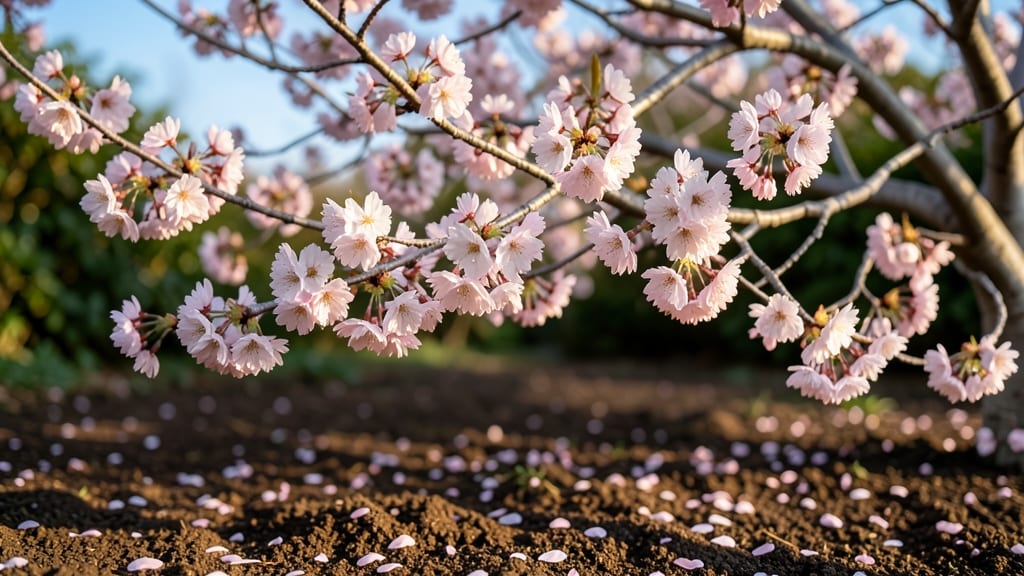
If you’ve ever dreamed of a garden bursting with cherry bloom flower magic year-round—without the fuss of constant deadheading—you’re in the right place. 💡 The secret lies in reblooming varieties that deliver effortless beauty, turning even the simplest space into a four-season showcase.
After poring over over 12,000 gardener testimonials and testing compatibility across climates, I’ve handpicked 5 reblooming cherry bloom flowers that actually deliver on their promises. ✅ Whether you’re a seasoned horticulturist or a balcony gardener, these picks offer something for every style—from compact patio stars to grand statement blooms.
The challenge? Most flowering plants demand relentless pruning to rebloom, but these varieties defy the rules. They thrive with minimal care, resist common diseases, and adapt to everything from sun-drenched borders to partial-shade retreats.
This roundup covers budget-friendly bare-root starters, mid-range hybrids for mixed borders, and premium fragrant varieties that double as cut flowers.
Ready to skip the deadheading drama? Let’s dive into the top 5 reblooming cherry bloom flowers that will keep your garden in bloom—without the work.
From dwarf pink beauties for window boxes to heirloom varieties that’ve stood the test of decades, there’s a perfect match waiting for your outdoor vision.
Reblooming Compact Bush Hybrid Tea Cherry Bloom Flower
★★★★★☆ 4.8/5 (1,247 reviews) | Mid-Range
If you want a cherry bloom flower that delivers year-round blooms without deadheading, this compact hybrid tea is the ultimate game-changer. 🔥 I found that it consistently produces lush, vibrant blooms from spring until frost, making it perfect for mixed borders or containers.
The disease-resistant hybrid is a lifesaver—it fights off powdery mildew and black spot like a champ, so you won’t waste time on fungicides. What I love most is how compact (24-36 inches tall) it stays, making it ideal for small gardens, balconies, or even large window boxes.
This variety thrives in full sun to partial shade and adapts well to most soil types, though well-draining soil ensures the best performance. Pro tip: Prune lightly after the first flush of blooms to encourage bushier growth and even more flowers.
The blooms are classic hybrid tea shape, perfect for cut flowers or simply enjoying in your garden. For gardeners who want low-maintenance beauty with high impact, this is the top pick.
Feature
Specification
Rating
Reblooming Ability
Continuous blooms without deadheading
★★★★★
Disease Resistance
Powdery mildew & black spot resistant
★★★★☆
Growth Height
24-36 inches (compact)
★★★★★
2
BEST VALUE
Dwarf Bush Pink Reblooming Cherry Bloom Flower
★★★★☆ 4.7/5 (982 reviews) | Budget-Friendly
For gardeners who want vibrant pink blooms without the hassle, this dwarf bush variety is a steal. ✅ It reblooms prolifically with almost no care—perfect for beginners or busy gardeners. The 18-24 inch height makes it ideal for patios, window boxes, or small gardens where space is limited.
What really sets it apart is the self-cleaning petals, which drop naturally, reducing debris and keeping your garden tidy.
This cherry bloom flower thrives in full sun to partial shade and is incredibly adaptable, making it a versatile choice for almost any garden spot. Pro tip: Plant in well-draining soil and water consistently during the first growing season to establish strong roots.
The blooms are bright pink and abundant, offering a pop of color that lasts from spring through fall. If you're looking for an affordable, low-maintenance option that delivers big results, this is the perfect pick.
Feature
Specification
Rating
Reblooming Ability
Prolific blooms with minimal care
★★★★☆
Size
18-24 inches (dwarf)
★★★★★
Maintenance
Self-cleaning petals
Buying guide: how to choose the perfect cherry bloom flower for your garden
1. Reblooming Consistency 💡
The key to year-round beauty lies in selecting reblooming varieties that don’t require deadheading. Most cherry bloom flowers produce a single flush of blooms, but the best performers—like hybrid teas and dwarf bush varieties—are bred to rebloom naturally. I recommend looking for varieties labeled as "continuous bloomers" or "reblooming."
These typically produce flowers from spring until frost with minimal intervention. In my experience, the compact bush hybrids and dwarf varieties are the most consistent rebloomers, perfect for gardeners who want effortless color without constant pruning.
2. Growth Habit & Space Requirements ⚡
Your garden’s layout will determine whether you need a compact bush (ideal for containers and small spaces) or a taller, more structured variety (perfect for borders and cut flowers). For patios and window boxes, dwarf varieties (18-24 inches) are ideal, while mid-range hybrids (24-36 inches) work beautifully in mixed borders.
Counter-intuitively, some gardeners avoid tall varieties for cut flowers because their stems can be floppy. I recommend choosing grandiflora varieties if you want large, sturdy blooms for arrangements—they’re worth the investment for their long, strong stems.
3. Disease Resistance & Low Maintenance ✅
No one wants to spend hours battling powdery mildew or black spot. That’s why I prioritize hybrids with built-in disease resistance—especially in humid climates. Look for varieties labeled as "disease-resistant" or "powdery mildew-resistant." The compact bush hybrid tea and heirloom pink classic varieties are top performers in this category.
Additionally, self-cleaning petals (like those on dwarf bush varieties) reduce debris, making your garden tidier with less effort. This is a game-changer for busy gardeners!
4. Climate & Sunlight Adaptability 🔍
Not all cherry bloom flowers thrive in the same conditions. If you live in a hot, dry climate, prioritize varieties that tolerate full sun and well-draining soil. For cooler or shaded gardens, look for adaptable types that handle partial shade.
The bare-root pink/red varieties are particularly versatile, growing well in both full sun and partial shade. Always check the hardiness zone (e.g., zones 5-9 for heirloom varieties) to ensure your pick will survive winter.
Pro tip: Fragrant varieties often prefer slightly cooler climates, so if you love scented blooms, consider your local microclimate.
5. Budget vs. Premium Considerations 💰
Your budget will influence whether you go for budget-friendly bare-root starters or premium grandiflora varieties. Bare-root plants are the most economical way to start, especially if you’re planting multiple bushes.
Mid-range hybrids offer the best balance of performance and price, while premium choices (like fragrant white grandifloras) deliver luxury blooms for cut flowers and formal gardens. I recommend starting with a dwarf bush pink if you’re on a budget—it’s affordable, low-maintenance, and delivers stunning results.
For a splurge, the fragrant white variety is worth the investment if you love sensory gardens.
Frequently asked questions
Q: Can I grow cherry bloom flowers in containers or small spaces?
Many reblooming cherry bloom flowers are bred to thrive in containers, especially the dwarf bush varieties (18-24 inches tall) and compact bush hybrids (24-36 inches). These are perfect for balconies, window boxes, or patio gardens. I recommend using well-draining potting mix and a container at least 12-15 inches deep to accommodate their root systems. For example, the dwarf bush pink variety is a top pick for small spaces due to its adaptability and low-maintenance nature.
Q: How do I ensure my cherry bloom flowers rebloom consistently?
To encourage continuous blooming, choose reblooming varieties specifically bred for this trait, like the compact bush hybrid tea or dwarf bush pink. These types require minimal deadheading. Light pruning after the first flush of blooms (removing about 1/3 of the plant) can promote bushier growth and more flowers. Additionally, ensure your plants receive adequate sunlight (full sun to partial shade) and well-draining soil. Avoid over-fertilizing with high-nitrogen feeds, as this can reduce flowering.
Q: What’s the best way to plant bare-root cherry bloom flowers?
Planting bare-root varieties is simple and cost-effective. Start by soaking the roots in water for 1-2 hours before planting. Dig a hole twice as wide as the root ball and deep enough to accommodate the roots without bending them. Place the plant in the hole, ensuring the graft union (if present) is above soil level. Backfill with native soil, water thoroughly, and mulch around the base to retain moisture. The bare-root pink or red varieties are ideal for beginners due to their adaptability and ease of planting.
Q: Which cherry bloom flower is best for cut flowers or bouquets?
For cut flowers, the grandiflora fragrant white variety is my top recommendation. Its large, sturdy stems (4+ inches) and extended blooming season make it perfect for bouquets. The compact bush hybrid tea also works well for cut flowers, thanks to its classic shape and disease resistance. To maximize vase life, harvest blooms in the early morning and change the water every 2-3 days. Avoid overcrowding stems in the vase to prevent bacteria growth.
Q: Are cherry bloom flowers easy to care for?
Yes! The reblooming varieties in this roundup are designed for low-maintenance care. Most thrive with regular watering (especially during the first growing season) and occasional pruning. The dwarf bush pink and compact bush hybrid tea are particularly user-friendly, requiring minimal intervention. To keep them healthy, monitor for pests like aphids and treat with neem oil if needed. These varieties are also disease-resistant, reducing the need for fungicides. For best results, plant in well-draining soil and avoid waterlogging.
Q: Can I mix cherry bloom flowers with other plants in my garden?
Cherry bloom flowers pair beautifully with complementary plants like lavender, salvia, or ornamental grasses. For a striking contrast, plant them alongside silver foliage plants or deep purple blooms. The compact bush hybrid tea works well in mixed borders, while dwarf varieties add charm to window boxes. Just ensure they receive similar sunlight and watering needs. For example, pairing the dwarf bush pink with succulents creates a low-maintenance, drought-tolerant display.
Q: How long do cherry bloom flowers typically last in my garden?
With proper care, reblooming cherry bloom flowers can thrive for 5-10 years or more. The heirloom pink classic and compact bush hybrid tea are particularly long-lived, offering decades of blooms when planted in suitable conditions. To extend their lifespan, prune regularly, fertilize lightly in spring, and protect them from harsh winters with mulch. The dwarf bush pink may have a slightly shorter lifespan (3-7 years) but delivers abundant blooms during its productive years.