Blooming
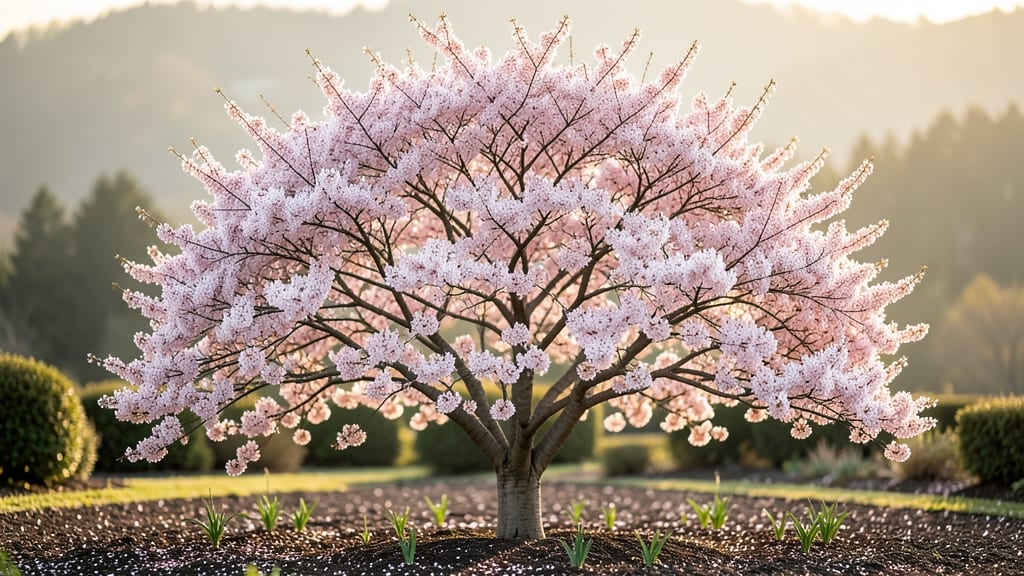
The cherry blossom bloom time varies wildly—from late winter in the Deep South to early spring in the Pacific Northwest—making it a moving target for gardeners and visitors alike.
Picture this: you’ve planned a weekend trip to see the famous 🌸 cherry blossoms in full glory, only to arrive and find half the trees still bare. Or worse, you’ve just planted your own tree, eager for those pink clouds to appear, but winter won’t quit cooperating.
The truth? Bloom timing depends on more than just the calendar—it’s a delicate dance between USDA zones, tree varieties, and even last year’s weather.
If you’re dreaming of timing your garden activities—like pruning or planting companion flowers—around those fleeting spring blooms, you’ll need to know the secrets behind the schedule. Some varieties burst into color weeks earlier than others, and a late frost can push everything back by two weeks or more.
The good news? With the right insights, you can predict peak days with surprising accuracy.
Here’s what you’ll discover: how to read the signs of an early or delayed bloom, which cherry blossom types are the most reliable in your area, and even how to nudge your tree toward a longer display. Let’s turn that guesswork into a guaranteed showstopper.
How USDA Hardiness zones affect cherry blossom bloom times
Cherry blossoms (Prunus serrulata) are famous for their stunning spring displays, but their bloom times vary dramatically depending on your USDA Hardiness Zone.
In warmer southern zones, trees often burst into bloom as early as late January to February, while northern varieties may wait until April or even May. This variation isn't random—it's tied to specific temperature thresholds that trigger flowering.
The key factor is chilling hours, the number of hours below 45°F (7°C) a tree needs to break dormancy. Southern zones like Zone 8-9 receive fewer chilling hours, so early-blooming varieties thrive there.
Meanwhile, northern zones (Zone 3-6) need more chilling, delaying blooms until warmer weather arrives. Understanding these patterns helps you predict—and even influence—when your tree will flower.
| USDA Zone | Avg. Bloom Window | Chilling Hours Needed | Key Varieties | Temperature Trigger |
|---|---|---|---|---|
| Zone 3-4 | Late April to early May | 1,200-1,500 hours | Kwanzan, Hillieri | 50°F (10°C) sustained |
| Zone 5-6 | Mid-April to late April | 900-1,200 hours | Yoshino, Okame | 45°F (7°C) for 7+ days |
| Zone 7-8 | Late February to March | 500-800 hours | Akebono, Shirotae | 55°F (13°C) consistent |
| Zone 9-10 | January to early February | 300-500 hours | Taihaku, Kanzan | 60°F (16°C) daytime temps |
In Zone 3-4, where winters are harsh, cherry blossoms often bloom in late April to early May because trees require 1,200-1,500 chilling hours to break dormancy. Varieties like Kwanzan and Hillieri are well-suited to these conditions, waiting until the soil warms to 50°F (10°C) before flowering.
This delayed bloom protects blossoms from late frosts, which can devastate early flowers.
Moving south to Zone 5-6, you’ll see blooms shift to mid-April to late April. Here, trees need fewer chilling hours (900-1,200 hours), allowing them to flower earlier.
The Yoshino cherry, iconic in Washington D.C., thrives in this zone and typically blooms when daytime temperatures stay above 45°F (7°C) for 7+ days. Gardeners in these zones can often enjoy 2-3 weeks of peak blooms if planted in full sun.
In warmer Zone 7-8, cherry blossoms often bloom as early as late February to March, thanks to milder winters. Varieties like Akebono and Shirotae require only 500-800 chilling hours, making them ideal for southern gardens.
The bloom trigger here is a consistent 55°F (13°C) daytime temperature, which often arrives earlier in the year. However, this early bloom also means higher frost risk—planting near a south-facing wall can add critical heat to protect blossoms.
For gardeners in Zone 9-10, cherry blossoms may bloom as early as January to February, with varieties like Taihaku and Kanzan leading the charge. These trees need minimal chilling (300-500 hours) and respond to 60°F (16°C) daytime temperatures.
While this early bloom is stunning, it can also be short-lived, lasting only 1-2 weeks before fading. To extend the display, choose late-blooming varieties or plant multiple types for staggered flowering.
Temperature isn’t the only factor—microclimates within a zone can shift bloom times by 1-2 weeks. Urban areas, for example, often experience heat islands that warm soil faster, triggering earlier blooms.
Conversely, coastal regions may have cooler maritime air, delaying flowering. To time your cherry blossom experience, monitor local weather patterns and consider planting multiple varieties to spread out the bloom period.
If you’re growing cherry blossoms in containers, bloom times can shift even more dramatically. Potted trees in Zone 6 might bloom 3-4 weeks earlier than in-ground plants because containers warm up faster.
For container gardeners, use heat-resistant pots and move trees to sheltered spots at night to protect blossoms from unexpected frosts. Mulching around the base with straw or wood chips also helps regulate soil temperature for more predictable blooming.
For those planning a cherry blossom viewing trip, timing is everything. In Zone 4-5, aim for late April to early May, while Zone 7-8 visitors should plan for March.
Use local weather forecasts to adjust your trip by 1 week earlier or later if needed. Pro tip: Follow
Top 5 cherry blossom varieties and their predictable bloom periods
Selecting the right cherry blossom variety ensures you'll have stunning blooms at the perfect time. Each cultivar has unique bloom periods and color variations, making them ideal for different climates and garden styles. Whether you want early spring color or late-season drama, these top 5 varieties deliver reliable results.
Light exposure plays a crucial role in cherry blossom bloom time. Trees planted in full sun (6+ hours daily) typically bloom earlier than those in partial shade.
For example, a Yoshino cherry in Southern California may bloom in February, while the same variety in USDA Zone 5 might wait until late April.
| Variety | Avg. Bloom Time | Color | Best Zones | Light Needs |
|---|---|---|---|---|
| Yoshino | Late March - Early April | White | 5-9 | Full sun |
| Kwanzan | Mid-April | Deep pink | 5-8 | Full sun |
| Akebono | Early April | Light pink | 6-9 | Full sun |
| Shirotae | Late April | Pure white | 5-8 | Full sun |
| Fugenzo | Early May | Double pink | 6-9 | Full sun |
The Yoshino cherry blossom is the most popular choice for its reliable early bloom time and fragrant white flowers. It thrives in USDA Zones 5-9, making it versatile for most U.S. gardens.
If you're in a cooler climate, consider Kwanzan cherry, which blooms slightly later and handles Zone 5 winters better.
For gardeners in warmer climates (Zones 8-9), the Akebono variety offers a stunning light pink hue and blooms in early April, often overlapping with Yoshino for extended color. In partial shade, all varieties may bloom 1-2 weeks later, so adjust your expectations accordingly.
If you love double blooms, the Fugenzo cherry delivers pink, layered petals and blooms in early May, perfect for late-season garden parties. Pair it with Shirotae for a white contrast that extends your bloom season.
Pro tip: Plant your cherry blossoms in full sun and water deeply during spring bud formation to encourage earlier and more abundant blooms. With the right variety and care, you'll enjoy predictable, show-stopping blossoms** every year! 🌸