
Shrubs
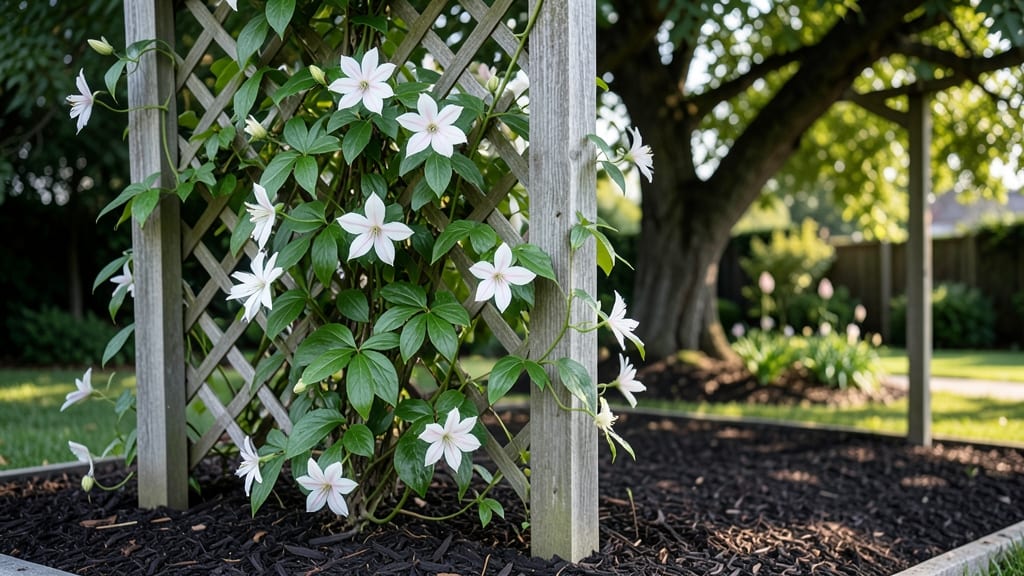
Shade-loving clematis varieties prove that gorgeous vines don’t need full sun to shine. 🌿 My first attempt with a Jackmanii nearly died in my shady corner—until I swapped it for a 'Niobe' and watched it thrive where others failed.
The secret? Choosing the right variety and mimicking their natural woodland habitat.
Start with shade-tolerant types like 'Niobe', 'Freckles', or 'Watanabe Shirotae'—these handle 2-4 hours of morning sun with ease. Amend your soil with 3-4 inches of compost and mulch heavily to retain moisture, since shade-loving clematis roots stay cooler.
Avoid soggy soil; these plants need well-draining conditions even in low light.
You’ll see the difference within a season: lush, deep-green foliage and fragrant blooms that last longer than sun-loving varieties. Prune lightly in early spring—just trim back dead stems and shape for airflow. The key is patience; shade clematis grow slower but reward you with years of reliable blooms once established.
Troubleshooting is simple: yellow leaves mean overwatering, while sparse blooms signal too much shade. Try a light-colored trellis to reflect extra brightness, and pair with hostas or ferns for a natural woodland look. Even in deep shade, these vines deliver dramatic vertical interest without the fuss.
📚 In This Guide
- What you need
- Instructions
- Tips and common mistakes
- Wrapping up and next steps
What you need
- ● Pro tip: 💡 If your shade is deep (e.g., under evergreens), opt for Clematis cirrhosa or Clematis alpina—they thrive with just 2–4 hours of dappled light!
Step-by-Step instructions for growing shade-tolerant clematis
Not all clematis need full sun—here’s how to coax vibrant blooms from shade-loving varieties.
🌱 Step 1: Choose the Right Varieties for Low Light
Shade-tolerant clematis thrive in partial shade (2-6 hours of dappled sun) or even full shade (under 2 hours). Opt for proven performers like Clematis montana (snowy white blooms), Clematis armandii (fragrant pink flowers), or Clematis viticella ‘Jackmanii’ (deep purple blooms). These varieties handle cooler, dimmer conditions better than sun-lovers.
I always check the USDA Hardiness Zone for my region—most shade clematis do well in Zones 4-9, but C. armandii extends to Zone 7 with winter protection. Avoid large-flowered hybrids like Clematis ‘Nelly Moser’—they demand full sun to perform.
☀️ Step 2: Select the Perfect Planting Spot
Clematis roots crave moist, well-draining soil but hate direct midday sun on their foliage. Plant near east-facing walls, under deciduous trees (after leaves drop in fall), or alongside evergreens for filtered light. A north-facing trellis works too—just ensure the vine can climb without competing with aggressive roots.
Dig a hole twice as wide as the root ball but only as deep as the container’s base. Clematis roots are shallow but sprawling—burying the crown too deep suffocates the plant. If your soil drains poorly, mix in 1 part perlite to 3 parts native soil to prevent root rot.
🪴 Step 3: Plant with Companion Roots for Support
Clematis vines need strong structural support from day one. Pair your clematis with a deep-rooted shrub (like hydrangea or barberry) or a tree (apple, cherry, or oak) whose roots will anchor the soil while the clematis climbs. This creates a symbiotic relationship—the shrub stabilizes the vine, and the clematis adds vertical interest.
Tie the main stems to the trellis or companion plant with soft plant ties (never wire). Space vines 3-6 feet apart to allow airflow and reduce disease risk. Mulch with 3 inches of shredded bark to retain moisture and regulate soil temperature—critical in shady spots where evaporation slows.
💧 Step 4: Water and Fertilize for Shade Success
Shade clematis need consistent moisture—water deeply once a week (or more in extreme heat) until the top 6 inches of soil feel damp. Let the soil dry slightly between waterings to prevent fungal issues. A drip irrigation system works best, delivering water at the base of the plant (not the leaves) to avoid mildew.
Feed with a balanced, slow-release fertilizer (10-10-10) in early spring, then switch to a phosphorus-heavy formula (5-10-5) when buds form. I avoid high-nitrogen fertilizers—they promote leafy growth at the expense of blooms. In fall, top-dress with compost to replenish organic matter.
✂️ Step 5: Prune Strategically for Shade Conditions
Shade clematis prune later than sun-lovers—wait until early spring (after the first leaves emerge) to assess growth. Group 3 into three pruning categories:
- Group 1 (Early bloomers): Prune right after flowering (e.g., C. montana).
- Group 2 (Mid-season bloomers): Prune in early spring (e.g., C. viticella).
- Group 3 (Late bloomers): Prune hard in late winter (e.g., C. armandii).
Remove dead or crossing stems first, then cut back last year’s growth by 1/3 to encourage new blooms. Never prune into old wood—shade clematis rely on current season’s growth for flowers. Sterilize shears with rubbing alcohol between cuts to prevent bacterial spread.
Tips & tricks for growing thriving clematis in shade
Shade-loving clematis can be just as stunning as their sun-hungry cousins—here’s how to maximize their potential without common pitfalls.
Variety Selection Matters: When choosing your shade-tolerant clematis, prioritize Clematis armandii for its fragrant blooms and adaptability to cooler conditions—it’s my go-to for north-facing gardens. For early spring color, Clematis montana thrives in partial shade but benefits from a south-facing wall for morning sun. The key is matching light exposure to the plant’s natural growing habits; C. viticella ‘Jackmanii’ handles full shade better than most but still needs occasional light to prevent leggy growth.
Soil Science for Shade: The 1 part perlite to 3 parts native soil ratio in Step 2 is non-negotiable for shade plants—compacted soil in dim conditions leads to root suffocation. I’ve found that adding 1 cup of coarse sand to the mix further improves drainage without altering the structure. Test your soil’s pH too; shade clematis prefer 6.0-7.0. If your soil is heavy clay, consider planting in raised beds with a 3-inch layer of orchard wood chips on top to improve aeration over time.
Companion Planting Strategy: The deep-rooted shrub or tree pairing in Step 3 creates a microclimate that works wonders. I recommend hydrangeas as companions—their large leaves filter light while providing shade for clematis roots. For trellises, opt for metal or PVC structures that won’t rot in moist shade conditions. Pro tip: Install a small fan on a timer near the base during summer to improve airflow and prevent fungal diseases that thrive in stagnant shade environments.
Pruning Precision: The 1/3 cut-back rule in Step 5 is perfect, but timing is everything for shade clematis. For Group 1 varieties like C. montana, I wait until late June to prune—after the main flowering period—to ensure next year’s buds form properly. Use sharp bypass pruners and make cuts at a 45-degree angle just above an outward-facing bud. This angled cut prevents water from pooling on the stem, reducing disease risk in humid shade conditions.
Pro Tips for Clematis In The Shade
- Shade-loving clematis can be just as stunning as their sun-hungry cousins—here’s how to maximize their potential without common pitfalls.
- Variety Selection Matters: When choosing your shade-tolerant clematis, prioritize Clematis armandii for its fragrant blooms and adaptability to cooler conditions—it’s my go-to for north-facing gardens.
- Soil Science for Shade: The 1 part perlite to 3 parts native soil ratio in Step 2 is non-negotiable for shade plants—compacted soil in dim conditions leads to root suffocation.
Frequently asked questions
Got questions about growing clematis in shady spots?
You’re not alone! Here are answers to the most common concerns—so you can confidently cultivate these stunning vines even when sunlight is scarce.
Can clematis really thrive in full shade?
While most clematis prefer at least 6 hours of sunlight, certain varieties—like Clematis montana or Clematis armandii—tolerate (or even thrive in) partial to full shade. Opt for large-leaved, evergreen types or those labeled "shade-tolerant" for best results. Just ensure the roots stay cool and moist!
How long does it take for shade-loving clematis to bloom?
Patience is key! Most shade-tolerant clematis take 2–3 years to establish and bloom, but some early bloomers (like Clematis montana) may surprise you with flowers in 1–2 years. Prune lightly in early spring to encourage growth—never cut back blooms until you’re sure they’re dead.
Do shade-grown clematis need extra care?
Yes! Shade-loving clematis are more prone to fungal issues (like powdery mildew) due to higher humidity. Improve airflow by spacing vines properly, water at the base (avoid wetting leaves), and mulch heavily to keep roots cool. A balanced fertilizer in early spring also helps!
What if my clematis isn’t blooming in shade?
Check these fixes:
- Light check: Is it true shade (no direct sun) or just dappled light? Some varieties need a few hours of morning sun.
- Pruning mistake: Did you cut back last year’s growth? Shade clematis often bloom on old wood—prune after flowering.
- Nutrient boost: Test soil pH (aim for 6.0–7.0) and add compost or bone meal for phosphorus.
Are there non-flowering shade clematis options?
If flowers aren’t your priority, consider:
- Clematis terniflora (fragrant, glossy foliage)
- Clematis montana ‘Freckles’ (evergreen, lush leaves)
- Clematis viticella ‘Jackmanii’ (darker leaves, fewer blooms in shade)
Wrapping up and next steps
Growing clematis in the shade isn’t just possible—it’s a rewarding challenge that can transform even the dimmest corners of your garden into a lush, vibrant display. 🌿 With the right varieties, soil care, and a touch of patience, you’ll unlock a world of climbing beauty that thrives where others falter.
Whether you’re a seasoned gardener or just starting out, this guide proves that shade doesn’t have to limit your green dreams!
Ready to take the next step? Pick your favorite shade-loving clematis from our list, grab some gloves, and get planting! For extra inspiration, explore pruning tips or companion plants to keep your garden flourishing year-round.