
Container Gardens
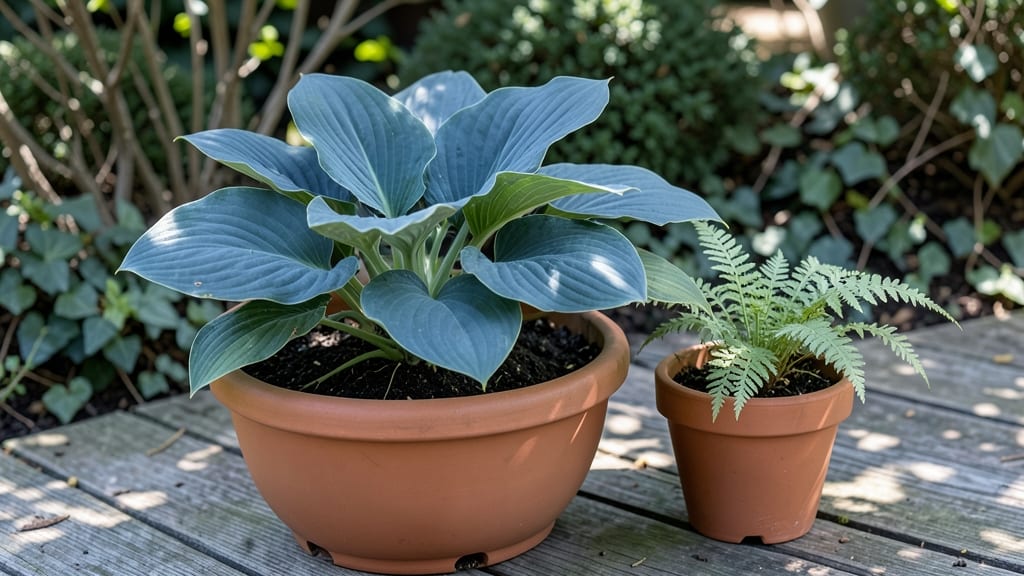
Container gardening for shade lets you grow lush plants even where sunlight barely touches. 🌿 I've turned my dim corner into a thriving mini-jungle by choosing the right shade-lovers and containers that keep roots happy without scorching in summer heat.
The secret isn't fancy equipment—it's matching plants to light levels and giving roots the perfect balance of moisture and airflow.
Start with containers that have drainage holes (critical for shade plants) and soil that stays moist but never soggy. My go-to mix is 60% peat-based potting soil, 20% perlite, and 20% compost—it drains fast enough to prevent root rot while holding moisture longer than regular garden soil.
For plants, think ferns, hostas, impatiens, and even some herbs like parsley and cilantro that handle low light better than most.
You'll see new growth within weeks, with ferns unfurling delicate fronds and impatiens bursting into color. The key is watering consistently—shade plants dry out slower but still need regular moisture. A morning watering routine keeps roots happy without inviting fungal problems that thrive in damp, dark corners.
This works for balconies, patios, or even sunny windowsills with the right plant choices. The same principles apply whether you're growing flowers, herbs, or even shade-tolerant veggies like lettuce and spinach. Let's get those containers planted!
📚 In This Guide
- What you need
- Instructions
- Tips and common mistakes
- Wrapping up and next steps
What you need
- ● Containers: 1–3 large pots (10–15 gallons each) with drainage holes. Opt for glazed ceramic, fabric grow bags, or plastic with holes.
- ● Potting Mix: 1 bag (1.5–2 cubic feet) of well-draining, peat-free mix (e.g., 60% inorganic + 40% organic). Avoid garden soil!
- ● Drainage Layer: 1–2 inches of gravel, perlite, or broken pottery per container.
- ● Shade-Tolerant Plants: 3–5 plants (e.g., heuchera, ferns, hostas, or impatiens). Check light needs (partial/full shade).
- ● Tools: 1 trowel or small shovel
- ● 1 pair of pruning shears
- ● 1 watering can or hose with a gentle nozzle
- ● Slow-Release Fertilizer: Pellets or spikes for nutrient-boosting (follow package rates).
- ● Mulch: Shredded bark or coconut coir to retain moisture.
- ● Container Liner: Plastic liner for pots without drainage (if needed).
- ● Self-Watering System: Wick or reservoir kits for low-maintenance hydration.
Step-by-Step instructions for thriving shade container gardens
Here’s how to create lush, vibrant containers that flourish even in dim corners.
🪴 Step 1: Choose the Right Containers and Drainage
Select containers with drainage holes—shade plants still need to avoid soggy roots. I prefer terra cotta pots because they breathe better than plastic, preventing moisture buildup. For 4 plants, use 12-14 inch diameter containers (or 2-3 smaller pots per plant if space is tight). If your pots lack holes, drill them yourself—2-3 holes per pot keeps excess water flowing out.
Place a 1-inch layer of gravel or broken pottery at the bottom before adding soil. This prevents clogging while allowing water to drain freely. Skip the gravel if your mix is already well-draining, but never skip drainage entirely—shade plants like ferns and impatiens wilt quickly in waterlogged soil.
🌱 Step 2: Use Lightweight, Moisture-Retaining Soil
Fill containers with a high-quality potting mix blended with 20% perlite or orchid bark. This combo holds moisture without compacting, perfect for shade where evaporation is slower. For 4 plants, mix 3 gallons of potting mix with ¾ cup perlite—just enough to loosen the texture without making it too dry.
Moisten the mix until it’s damp like a wrung-out sponge—not soggy, not bone-dry. Press it lightly into the pot so it settles but doesn’t pack down. Shade plants like hostas and calatheas thrive in consistently moist (not wet) soil, so aim for a mix that holds water but drains excess.
☀️ Step 3: Select Shade-Tolerant Plants for Your Conditions
Match plants to your shade level: deep shade (under 2 hours of sun) works for hostas, ferns, and calatheas; partial shade (3-6 hours of sun) suits impatiens, begonias, and astilbes. For 4 plants, pick 2-3 varieties to create visual interest—like pairing a hosta (foliage) with impatiens (color).
Plant 1-2 inches deeper than their nursery pots to stabilize them. Space smaller plants 6-8 inches apart; larger ones like hostas need 12-18 inches. Water deeply after planting to settle the soil around roots—until water runs out the drainage holes. Mulch with 1 inch of shredded bark to retain moisture and suppress weeds.
💧 Step 4: Water and Fertilize for Shade Success
Water every 2-3 days in summer, checking the top inch of soil—if it’s dry, it’s time. Shade containers dry slower, so less frequent but deeper watering prevents root rot. Use a watering can with a narrow spout to direct moisture to the soil, not the leaves (which can rot).
Feed plants every 4-6 weeks with a balanced liquid fertilizer (10-10-10 or 20-20-20). Dilute to half-strength to avoid burning tender shade foliage. I skip fertilizer in winter when growth slows—too much food then encourages weak, leggy stems.
✂️ Step 5: Prune and Refresh for Long-Term Health
Trim dead or yellowing leaves as soon as you spot them—shade plants like begonias and ferns stay tidy with regular pruning. Snip stems back to a leaf node (where leaves attach) to encourage bushier growth. For 4 plants, a sharp pair of scissors and 5 minutes weekly keeps them looking polished.
Rotate containers quarter-turn weekly so all sides get even light exposure. This prevents plants from leaning toward the nearest window. In late summer, replace the top inch of soil with fresh mix to refresh nutrients—shade plants deplete soil faster than you’d expect.
Tips & tricks for perfect shade container gardens
These simple strategies will help your shade-loving plants thrive without the guesswork.
Drainage is Non-Negotiable: In Step 1, if your terra cotta pots develop cracks, don't toss them—they still work perfectly. The porous material actually helps wick away excess moisture. For plastic containers without holes, place them in saucers filled with pebbles to catch drainage while keeping roots elevated. This mimics the natural aeration shade plants need.
Soil Mix Secrets: When blending your 3 gallons of potting mix with ¾ cup perlite in Step 2, sift the perlite first to remove any dust or fine particles. These can clump and reduce drainage. I also like adding a handful of worm castings to the mix—it boosts microbial activity that shade plants love, especially in slow-draining containers.
Plant Placement Strategy: For Step 3, group taller plants like hostas toward the back of your container and shorter varieties like impatiens toward the front. This creates a natural tiered effect while ensuring all plants get equal light exposure. If you're using 12-14 inch containers, you can actually fit 5 smaller plants if you arrange them in a circular pattern with the tallest in the center.
Watering Wisdom: The 2-3 day watering schedule in Step 4 works best when you water at the same time each day—morning is ideal. This establishes a routine for your plants. For containers without drainage holes, I recommend using a moisture meter to check the top inch of soil. If it's consistently dry after 3 days, you're likely overwatering, which is a common issue with shade plants.
Pro Tips for Container Gardening For Shade
- These simple strategies will help your shade-loving plants thrive without the guesswork.
- Drainage is Non-Negotiable: In Step 1, if your terra cotta pots develop cracks, don't toss them—they still work perfectly.
- Soil Mix Secrets: When blending your 3 gallons of potting mix with ¾ cup perlite in Step 2, sift the perlite first to remove any dust or fine particles.
Frequently asked questions
Got questions about container gardening in shade?
You’re not alone! Here are answers to the most common concerns—so you can grow confidently, even under low light.
What are the best containers for shade-loving plants?
Opt for containers with good drainage (like terracotta, ceramic, or fabric grow bags) and a depth of at least 12 inches. Darker containers absorb heat, which can help in cooler shade spots. Pro tip: Add saucers to catch excess water and prevent root rot!
When is the best time to plant shade containers?
Spring or early fall are ideal—avoid extreme heat or frost. If planting in summer, water deeply daily for the first week to help roots establish. Pro tip: Use mulch to retain moisture and regulate soil temperature.
Can I grow vegetables in shade containers?
Yes! Try leafy greens (kale, spinach), herbs (parsley, cilantro), or root veggies (radishes, carrots) in partial shade. Full shade? Stick to ornamentals like ferns or impatiens. Pro tip: Use reflective surfaces (mirrors or white paint) to boost light exposure.
Why are my shade plants wilting even with regular watering?
Overwatering or poor drainage are common culprits. Check soil moisture (stick your finger 1 inch deep—if dry, water). Ensure containers have drainage holes and avoid soggy soil. Pro tip: Use a moisture meter for accuracy!
How do I keep shade containers from getting too hot in summer?
Move containers to dappled shade during peak sun (10 AM–4 PM). Use light-colored containers or shade cloth (30–50% coverage). Pro tip: Group pots together to create a microclimate that retains cooler temps.
Wrapping up and next steps
Container gardening in shade isn’t just possible—it’s rewarding! With the right plants, containers, and care, you can transform even the dimmest corners into lush, vibrant spaces.
Whether you’re a beginner or a seasoned gardener, every shade garden starts with a single pot—so grab those tools and let your green thumb shine.
Ready to dive in? Start small—pick one plant from this guide, experiment with containers, and watch your shade garden grow! 🌿✨