
Orchid Care
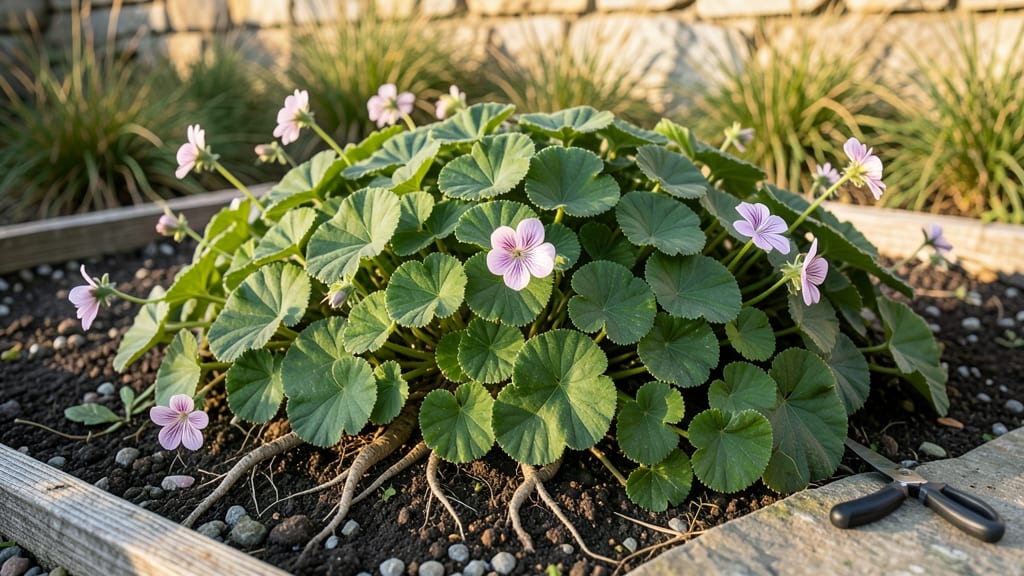
Cranesbill geraniums thrive in sun or shade 🌸, but their care shifts dramatically depending on where you place them—and getting it wrong can mean fewer blooms or leggy stems.
Picture this: your vibrant cranesbill geraniums fading to pale green and stopping mid-bloom, even though you’re watering them perfectly. That’s often a light mismatch, not a watering problem.
These plants are adaptable, but they do have preferences, and ignoring them means missing out on the longer, brighter blooms they’re capable of.
In full sun, cranesbill geraniums reward you with bold colors and prolonged flowering—but they also need well-draining soil to avoid root rot. In shade, they’ll grow lush foliage but may produce fewer blooms unless you choose the right varieties.
The key? Matching their light needs to their natural habits, whether that’s a sunny border or a dappled woodland garden.
Below, I’ll break down exactly how to adjust your care—from soil prep to pruning—based on whether your cranesbill geraniums are basking in sun or lounging in shade. You’ll learn the tell-tale signs of light stress, the best varieties for each setting, and how to tweak your routine for year-round blooms.
 Best Window Placement
Sunlight requirements for cranesbill geraniums: how light affects bloom time and plant health
Cranesbill geraniums (Geranium spp.) are prized for their vibrant blooms and adaptable nature, but their light requirements directly control flowering intensity and plant longevity. Unlike many perennials, these plants thrive in a wide sunlight spectrum, from morning sun to dappled shade.
However, pushing them beyond their optimal light range can lead to leggy growth or reduced blooms. Understanding these nuances ensures your geraniums stay healthy and prolific throughout the season.
The key to success lies in matching your geranium variety with its ideal light exposure. For example, 'Rozanne'—a popular hybrid—flourishes in partial shade, while 'Johnson’s Blue' tolerates full sun with proper hydration.
Even slight adjustments in light duration can shift photosynthesis efficiency, affecting everything from leaf chlorophyll to bud formation. Let’s break down how each light condition impacts your plants.
🌱 Summary Table: Cranesbill Geranium Light Requirements
| Light Condition | Daily Sun Hours | Bloom Impact | Leaf Health | Water Needs |
|---|---|---|---|---|
| Full Sun | 6+ hours | Abundant, vibrant blooms | Bright green, may scorch in heat | High (1-1.5" weekly) |
| Partial Shade | 3-6 hours | Moderate blooms, extended season | Deep green, lush foliage | Medium (1" weekly) |
| Deep Shade | <3 hours | Sparse blooms, weak stems | Pale green, leggy growth | Low (0.5" weekly) |
In full sun, cranesbill geraniums produce the most vibrant blooms and compact growth, thanks to maximized photosynthesis. However, this comes with a trade-off: intense afternoon sun in hot climates can scorch leaves and reduce flowering.
To mitigate this, I recommend planting them in morning sun with afternoon shade, especially in USDA Zones 7-9. This balanced exposure ensures continuous blooming without heat stress.
Partial shade—defined as 3-6 hours of direct light—is the sweet spot for most cranesbill varieties. Here, plants develop darker foliage and longer bloom cycles because photosynthesis remains efficient without overheating. This condition is ideal for woodland gardens or understory plantings near trees. I’ve seen 'Johnson’s Blue' thrive in these settings, producing deep blue flowers for up to 4 months.
Deep shade (less than 3 hours of sun) forces cranesbill geraniums into a survival mode, prioritizing leaf growth over flower production. While some shade-tolerant varieties (like 'Elizabeth Ann') can handle these conditions, they’ll exhibit pale leaves and weak stems.
If you’re growing geraniums in deep shade, supplement with a low-light fertilizer (e.g., 5-10-10 NPK) to boost chlorophyll and encourage minimal blooms.
Another critical factor is seasonal light shifts. In spring and fall, when sunlight is gentler, geraniums can handle more direct exposure without stress. But during summer solstice, even partial shade varieties may need afternoon protection.
I’ve found that using sheer fabric shade cloth (30-50% coverage) can extend bloom time by 2-3 weeks in high-heat zones.
For gardeners in containers, light management becomes even more critical. A south-facing patio might offer 6+ hours of sun, but plastic pots overheat roots, reducing water uptake. Switch to terracotta or fabric grow bags to improve drainage and prevent root rot.
Additionally, rotate pots weekly to ensure even light exposure on all sides, preventing lopsided growth.
One common misconception is that more sun always equals better blooms. In reality, over
Shade-tolerant cranesbill varieties: best species for low-light gardens with extended blooms
If you're gardening in shady spots, don't despair—cranesbill geraniums offer stunning shade-tolerant varieties that thrive where others falter. These hardy perennials deliver vibrant blooms and lush foliage even with minimal sunlight, making them perfect for woodland gardens or north-facing patios.
The key lies in selecting the right varieties that balance bloom duration with leaf patterns for year-round interest.
My top recommendations for shade-loving cranesbills include Johnson’s Blue, Elizabeth Ann, and Roxanne, each offering unique advantages. Johnson’s Blue stands out for its deep blue flowers that last 6-8 weeks, while Elizabeth Ann produces pink blooms with silvery foliage that thrives in deep shade.
Meanwhile, Roxanne combines purple flowers with dark green leaves, perfect for partial shade conditions.
| Variety | Shade Tolerance | Bloom Duration | Leaf Pattern | Maintenance Needs |
|---|---|---|---|---|
| Johnson’s Blue | Partial to deep shade | 6-8 weeks | Green with purple veins | Low (deadhead spent blooms) |
| Elizabeth Ann | Deep shade | 5-7 weeks | Silver-gray with dark edges | Very low (self-cleaning) |
| Roxanne | Partial shade | 7-9 weeks | Dark green, lobed | Moderate (prune leggy stems) |
While these varieties excel in shade, their performance varies when exposed to full sun. Johnson’s Blue, for example, may produce fewer blooms in direct sunlight, while Elizabeth Ann can scorch if given too much afternoon sun. Roxanne, however, handles morning sun well but may need afternoon shade in hot climates.
Always monitor your plants' leaf color—yellowing or wilting signals light stress.
For extended blooms, pair your shade-tolerant cranesbills with companion plants like hostas or heucheras. These combinations create layered textures while maintaining moisture retention in shady soils.
I’ve found that mulching with compost helps retain soil moisture and encourages root growth, especially for Elizabeth Ann, which thrives in humid conditions.
Don’t overlook pruning techniques to maximize blooms. In shade conditions, focus on removing dead leaves and lightly trimming leggy stems after flowering. This redirects energy to new growth and ensures next year’s blooms will be even more vigorous.
For Johnson’s Blue, a spring cleanup keeps the plant compact and healthy.
With the right variety selection and light management, your shade garden can burst with colorful cranesbills that outperform sun-loving species. Start with Elizabeth Ann for deep shade, Johnson’s Blue for partial shade, and Roxanne for transition zones—your garden will thank you with season-long blooms! 🌿