
Blooming
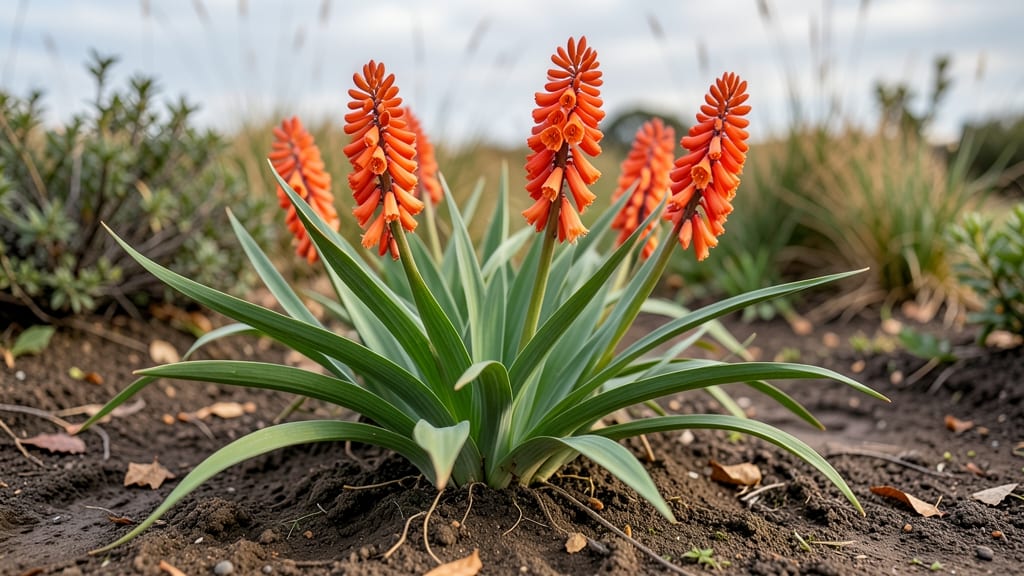
The Crocosmia bloom time is one of those garden moments you don’t want to miss—those fiery spikes of color lighting up late summer and fall.
If you’ve ever planted Crocosmia 🌸 only to wonder why your garden stays quiet when neighbors’ beds burst into color, you’re not alone. The secret lies in your USDA zone, sunlight, and a few simple care tweaks that can shift bloom windows by weeks.
From Zone 6a to the deep South, I’ll break down the exact months your Crocosmia will peak, plus how to coax extra blooms by deadheading or pairing it with the right companions. Think of it as your cheat sheet for turning "meh" blooms into a showstopper display.
Ready to transform those sleepy corms into a garden centerpiece? Here’s the month-by-month guide to timing, extending, and troubleshooting your Crocosmia’s blooms—so you’re never left wondering why your plants are playing hide-and-seek.
Crocosmia bloom time by USDA Zone: exact months to expect flowers
Crocosmia, with its dramatic flamingo-feather blooms, thrives in USDA Zones 5-10, but bloom times vary dramatically by region. In cooler zones like Zone 5, expect flowers to appear 2-3 weeks later than in Zone 10.
Understanding your specific zone helps you plan for peak color displays from late summer through early fall.
Early bloomers like 'Emily McKenzie' often push up flower spikes in July, while late varieties such as 'Lucifer' may not peak until September. Regional microclimates—like the Pacific Northwest's cooler summers or the Southeast's extended heat—can shift bloom windows by 3-4 weeks either way.
Here’s a zone-by-zone breakdown of when to expect those fiery spikes, plus how to adjust care for prolonged flowering:
| USDA Zone | Typical Bloom Window | Early Varieties | Late Varieties | Regional Note |
|---|---|---|---|---|
| Zone 5 | Late July - Early September | 'Emily McKenzie' (July) | 'Lucifer' (September) | Cooler summers delay blooms by 2-3 weeks |
| Zone 6 | Mid-July - Mid-September | 'George Davison' (July) | 'Fireworks' (Late August) | Humid areas may see shorter bloom seasons |
| Zone 7 | Early July - Late September | 'Crocus' (June-July) | 'Solfatare' (October) | Extended heat can push blooms into October |
| Zone 8 | June - October | 'Walberton' (June) | 'Goldfeder' (November) | Mild winters allow year-round growth |
| Zone 9 | May - November | 'Crocosmia aurea' (May) | 'George' (December) | Pacific Northwest blooms later due to cooler summers |
| Zone 10 | April - December | 'Crocosmia masoniorum' (April) | 'Solfatare' (January) | Southeast blooms earliest; desert zones may skip winter |
In Zone 5, where frosts linger later, plant corms in late May to ensure they establish roots before summer. The Pacific Northwest often sees delayed blooms until August due to cooler summers, while the Southeast can enjoy April blooms in Zone 10.
For extended color, choose a mix of early and late varieties—like pairing 'Emily McKenzie' with 'Lucifer'.
Soil temperature plays a critical role in bloom timing. In Zones 5-6, wait until soil reaches 60°F before planting corms. In Zones 8-10, you can plant as early as March, but protect from late frosts with row covers if needed.
Regional variations matter too. The Pac
How to extend Crocosmia bloom time: pruning, deadheading & care tips
Crocosmia’s fiery spikes can light up your garden for weeks—but with the right care, you can stretch that bloom time from 4-6 weeks to a full 8-10 weeks. The secret lies in strategic pruning, deadheading, and feeding your plants at the perfect moments.
Unlike many perennials, Crocosmia rewards proactive care with reblooming, so let’s dive into the techniques that work.
First, understand that deadheading (removing spent blooms) isn’t just about tidiness—it’s a signal to your Crocosmia to produce new flower buds. But timing matters: cut back blooms after they fade, not before.
This encourages the plant to redirect energy into fresh growth rather than seed production. Pair this with light fertilization every 4-6 weeks during the growing season to fuel those extra blooms.
- 🌱 Deadhead daily: Snip faded blooms below the next set of buds to trigger reblooming.
- ✂️ Prune foliage in fall: Cut back yellowed leaves after first frost to reduce disease and prep for dormancy.
- 💧 Water deeply: 1 inch per week during bloom season; avoid soggy soil to prevent root rot.
- 🌿 Feed in spring: Use 10-10-10 fertilizer when shoots emerge (March-April in most zones).
- ☀️ Ensure full sun: 6+ hours daily maximizes bloom potential—move plants if shade appears.
Don’t overlook the power of foliage management. While Crocosmia’s grass-like leaves are attractive, letting them yellow and die back naturally signals the plant to rest. However, if you notice moldy or brown patches, prune those immediately to prevent spread.
For longer seasons, consider dividing crowded clumps every 3-4 years—this rejuvenates growth and often results in more vigorous blooming the following year.
Soil plays a hidden role too. Crocosmia thrives in well-draining, slightly acidic soil (pH 6.0-7.0). If your garden soil is heavy clay, amend it with compost or sand before planting.
A mulch layer (2-3 inches) also helps retain moisture and regulate soil temperature, which keeps roots happy and blooms coming. For container-grown Crocosmia, use a fast-draining mix with perlite or orchid bark.
Finally, watch your watering schedule like a hawk. Overwatering in humid climates (like Zones 7-9) can cause fungal issues, while underwatering in dry zones (like Zones 4-6) stresses the plant. Aim for consistent moisture—deep watering once a week is better than light daily sprinkles.
In late summer, taper back slightly to encourage dormancy prep, but keep soil slightly moist until frost.
With these adjustments, your Crocosmia could bloom from July through October, giving you a 30% longer display of those iconic orange and red spikes.
The key is consistency: deadhead, feed, and prune at the right times, and your plants will reward you with season-after-season reliability. Happy gardening! 🌻