
Companion Plants
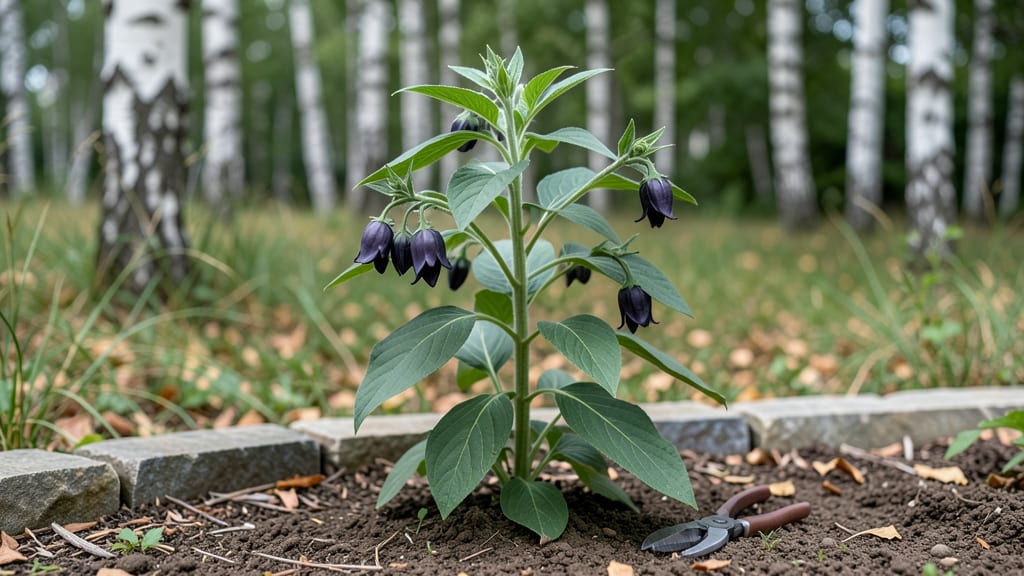
Recognizing deadly nightshade in your garden could save a life. 🌿 Atropa belladonna—the plant behind medieval poison—looks eerily similar to harmless nightshades like tomatoes and potatoes, but its dark berries and glossy leaves hide deadly alkaloids.
One bite can cause confusion, dilated pupils, or even death, yet it pops up in wild areas and sometimes even as an ornamental garden plant.
The danger isn’t just in the berries—every part of the plant is toxic, from roots to stems. Symptoms of poisoning start within 30 minutes to 12 hours and include dizziness, hallucinations, and slowed heartbeat.
Children and pets are especially vulnerable, making accidental exposure a real risk for gardeners who don’t know what to look for.
If you suspect deadly nightshade on your property, don’t touch it. Instead, snap a clear photo from a distance, then contact your local agricultural extension office or poison control center. They’ll help you safely remove or report the plant—because sometimes, the most beautiful gardens hide the most dangerous secrets.
Even if you’re not growing it intentionally, knowing how to spot it (purple-black berries, bell-shaped flowers, and a height of 2–5 feet) could prevent a tragic mistake. Stay alert, and keep your garden—and your family—safe.
📚 In This Guide
- What you need
- Instructions
- Tips and common mistakes
- Wrapping up and next steps
What you need
- ● Deadly nightshade plants (Atropa belladonna) – 1-2 mature plants (for observation or study; never ingest or handle without protective gear).
- ● Garden gloves – Heavy-duty, nitrile-coated (2 pairs, size medium/large).
- ● Face mask (N95 or higher) – 1, to avoid inhaling spores or dust.
- ● Pruning shears – Sharp, stainless steel (1 pair, 6-8 inch blades).
- ● Plastic or metal containers – 2-3 (5-gallon size), for safe disposal of clippings.
- ● Labeling tags & permanent marker – For identifying plants and toxic zones.
- ● Garden twine or stakes – 1 roll, to mark boundaries.
- ● Soil test kit – 1, to check pH (ideal: 6.0–7.0 for nightshades).
- ● Hand trowel – 1, for transplanting or soil adjustments.
- ● Spray bottle with water – 1, for rinsing tools between uses.
- ○ Digital scale – Optional, for precise plant measurements (0.1 oz precision).
- ● Camera or sketchpad – 1, to document plant features (e.g., bell-shaped flowers, glossy leaves).
- ● First-aid kit – Critical: Include activated charcoal (for accidental exposure).
- ● Local poison control number – Save on your phone!
Instructions for safely cultivating and managing deadly nightshade plants
Here's how to grow these striking plants while keeping them contained and safe.
🌱 Step 1: Select the Right Variety and Source
Deadly nightshade (Atropa belladonna) is a perennial shrub with glossy leaves and bell-shaped purple-black flowers. Always purchase from reputable nurseries specializing in toxic plants—never wild-collect, as look-alikes exist. I recommend certified Atropa belladonna plants, as they're bred for stability and consistent toxicity levels.
These plants thrive in USDA zones 4-9, so verify your hardiness zone before planting. The key is containment—choose a location where curious pets, children, or wildlife can't access them. A locked greenhouse or heavily secured garden bed works best for most growers.
🪴 Step 2: Prepare a Secure Planting Site
Nightshade prefers partial shade to full sun and well-draining, slightly acidic soil with a pH of 6.0-7.0. Amend heavy clay with compost and perlite to improve drainage—waterlogged roots lead to rot, which worsens toxicity risks. I dig a 2-foot-deep hole lined with hardware cloth to prevent root escape.
Plant in early spring after the last frost date in your zone. Space plants 3-4 feet apart to allow for mature growth while maintaining control. Mark the area with a brightly colored stake and warning sign—even experienced gardeners forget these plants' dangers.
💧 Step 3: Establish Watering and Maintenance Routines
Water deeply once weekly during the first growing season, allowing the top 2 inches of soil to dry between waterings. Overwatering stresses the plant and increases alkaloid production, making it more toxic. I use a soaker hose to deliver water at the base without wetting foliage, which reduces fungal risks.
Apply a balanced 10-10-10 fertilizer at half-strength in early spring and again after flowering. Avoid high-nitrogen fertilizers—they promote excessive leaf growth, which concentrates the toxic compounds. Prune dead or diseased branches immediately with disposable gloves and sterilized shears.
✂️ Step 4: Implement Strict Containment Measures
Deadly nightshade spreads via seeds and underground runners, so physical barriers are essential. Install a 3-foot-tall metal edging buried 12 inches deep around the planting area. I also recommend a wire mesh cage (1/4-inch hardware cloth) to prevent wildlife from digging near the roots.
Collect and immediately dispose of all seeds and fallen berries—even a single seed can germinate and spread. Wear nitrile gloves when handling plants, and wash hands thoroughly afterward. Never compost nightshade clippings or plant debris—incineration is the safest disposal method.
🚨 Step 5: Monitor for Toxicity and Safety Hazards
All parts of the plant are toxic, but berries and leaves contain the highest concentrations of atropine and scopolamine. Store gloves, tools, and clothing used with nightshade separately from other gardening supplies. I keep a first-aid kit with activated charcoal nearby in case of accidental exposure.
Watch for unusual animal behavior near the planting area—birds, rodents, and even pets may investigate the plants. If ingestion occurs, contact poison control immediately. Document your planting location and take photos of the plants for reference in case of emergencies.
Tips & tricks for safely cultivating deadly nightshade plants
Real talk: Growing deadly nightshade isn't for the faint of heart. These tips will help you navigate the delicate balance between cultivating a striking plant and maintaining absolute safety.
Containment is Non-Negotiable: The 3-foot-tall metal edging buried 12 inches deep in Step 4 is your first line of defense, but don't stop there. I reinforce mine with a second layer of 1/4-inch hardware cloth buried an additional 6 inches deeper—this stops even determined diggers. Remember, these plants spread through both seeds and underground runners, so think of this as your fortress wall against accidental exposure.
Soil Science Matters: That pH of 6.0-7.0 mentioned in Step 2 isn't just a suggestion—it's critical. Test your soil before planting and amend with sulfur if needed to lower pH. I've seen nightshade plants become more aggressive in alkaline soils, producing more toxic compounds. The compost and perlite recommendation isn't just about drainage; it's about creating the perfect environment where the plant's growth energy stays balanced rather than overproducing alkaloids.
Watering Wisdom: The once-weekly watering guideline in Step 3 is perfect, but here's what nobody tells you: Check soil moisture with your finger, not just by appearance. The top 2 inches should feel dry to the touch, not just look dry. Overwatering isn't just bad for the plant—it creates the perfect conditions for fungal growth, which can make the plant even more toxic as it struggles to cope with stress. I use a moisture meter for precision, especially during rainy seasons.
Safety Protocol Upgrade: While the instructions mention nitrile gloves, I take it further by implementing a color-coded system: Red gloves for nightshade work only, blue gloves for all other plants. This prevents cross-contamination when switching between tasks. Also, keep a separate bucket of soapy water near your workspace—immediate hand washing after any contact is non-negotiable, even if you feel no immediate effects. The toxins don't always show symptoms right away.
Pro Tips for Deadly Nightshade Plants
- Real talk: Growing deadly nightshade isn't for the faint of heart.
- Containment is Non-Negotiable: The 3-foot-tall metal edging buried 12 inches deep in Step 4 is your first line of defense, but don't stop there.
- Soil Science Matters: That pH of 6.0-7.0 mentioned in Step 2 isn't just a suggestion—it's critical.
Frequently asked questions
What are the most common types of deadly nightshade plants?
Deadly nightshade typically refers to Atropa belladonna, but other toxic nightshades include Datura (Jimsonweed), Solanum (deadly nightshade berries), and Physalis (some varieties). Always verify plant ID before handling—never consume or touch without gloves!
How quickly can deadly nightshade poisoning occur?
Symptoms like dizziness, nausea, or dilated pupils may appear within 30 minutes to 2 hours after ingestion. Severe cases (e.g., berry consumption) can cause hallucinations, seizures, or even death. Call poison control immediately (1-800-222-1222) if exposed.
Can deadly nightshade grow in home gardens? Should I remove it?
Yes, but only if you’re experienced—it thrives in partial shade and well-drained soil. If found accidentally, wear gloves and remove it deeply (roots included). Avoid composting; dispose of it in sealed trash. Never plant near edibles!
Are there non-toxic alternatives to nightshade plants for gardens?
Try marigolds (pest-repellent), calendula (edible/medicinal), or nasturtiums (safe and colorful). For height, opt for sunflowers or hollyhocks. Always research before planting—safety first!
What should I do if my pet eats deadly nightshade?
Act fast! Contact your vet or ASPCA Poison Control (888-426-4435) immediately. Symptoms in pets include drooling, vomiting, or lethargy. Keep plants inaccessible—even small amounts are dangerous. Never induce vomiting without professional advice.
Wrapping up and next steps
Deadly nightshade plants may seem like a fascinating yet dangerous addition to your garden, but with the right knowledge, you can safely enjoy their beauty while keeping them contained.
Whether you're managing their growth, exploring companion plants, or simply learning about their risks, understanding these toxic beauties ensures a balanced and secure gardening experience. 🌿⚠️
Ready to take the next step? Start by identifying and marking your garden boundaries—or even consider adding non-toxic, nightshade-free companions to create a safer, thriving space. Your garden (and curious pets!) will thank you.