
Pests
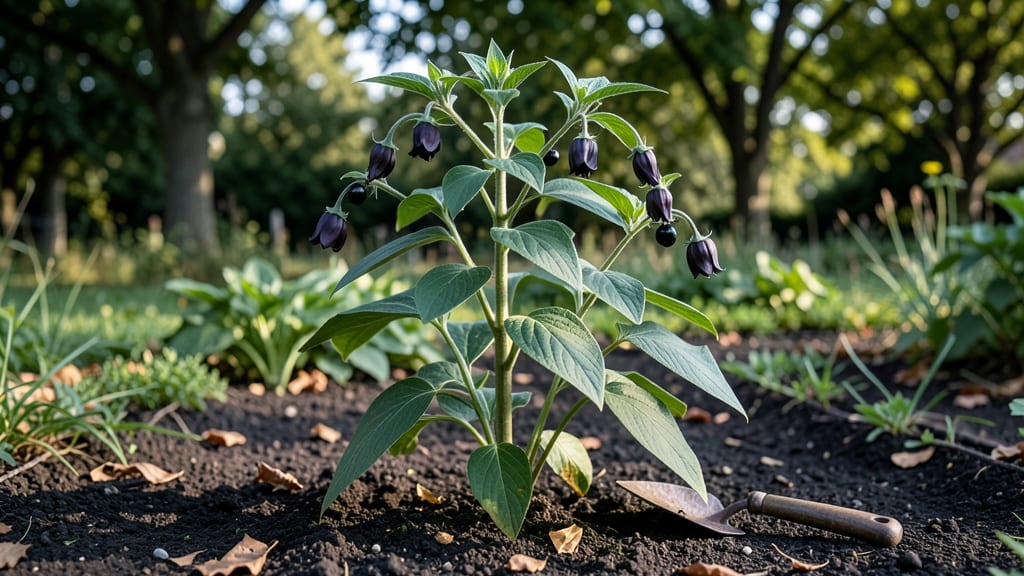
Deadly nightshade seeds contain atropine and scopolamine, highly toxic alkaloids that can cause rapid poisoning with symptoms like dilated pupils, hallucinations, and organ failure. Handling or ingesting even small amounts requires emergency medical attention immediately.
These seeds pack a dangerous punch because their toxins disrupt the nervous system by blocking acetylcholine, a key neurotransmitter. 🔥 Even a single seed can trigger severe reactions, though fatal cases are rare with prompt treatment.
The confusion with edible nightshades (like tomatoes) stems from their shared family—deadly nightshade's berries are the real threat, not the leaves or stems.
Symptoms typically appear within 30 minutes to 2 hours, making quick action critical. If exposure occurs, don't induce vomiting unless instructed by poison control—some toxins can cause more damage on the way back up. Always call emergency services immediately, even if symptoms seem mild at first.
💡 In This Article
- Toxic Alkaloids in Deadly Nightshade Seeds: Chemical Breakdown
- Emergency First Aid for Deadly Nightshade Poisoning
Toxic alkaloids in deadly nightshade seeds: chemical breakdown
Deadly nightshade (Atropa belladonna) seeds contain two primary alkaloids: atropine and scopolamine, both belonging to the tropane family. Atropine works by blocking acetylcholine receptors in the nervous system, causing symptoms like dry mouth, rapid heartbeat, and blurred vision.
Scopolamine amplifies these effects while adding hallucinatory properties, creating a dangerous combination that can lead to delirium or coma within hours.
The lethal dose varies but averages around 2-5 seeds for adults, though children are far more vulnerable—just 1-2 seeds can be fatal. For comparison, a single ripe berry contains roughly 20-30 seeds, meaning accidental ingestion is tragically easy.
Unlike edible nightshades (tomatoes, peppers), which contain harmless solanine only in green parts, deadly nightshade's toxins are concentrated in the seeds and berries, making them the plant's most dangerous components.
Physiologically, these alkaloids create a "fight-or-flight" overdrive by paralyzing parasympathetic nervous system functions. Your pupils dilate (hence "belladonna" meaning "beautiful woman" in Italian, used historically to enhance eyes), saliva production stops, and heart rate soars to 120-160 beats per minute.
The confusion arises because some nightshade plants (like eggplants) share similar compounds in trace amounts, but deadly nightshade's potency is 100-1000x stronger.
Scientific studies show atropine's half-life is about 13-20 hours, meaning symptoms can persist for days. This prolonged exposure forces medical intervention like intravenous atropine sulfate to counteract the poisoning.
The key difference from other nightshades lies in their chemical structure: deadly nightshade's alkaloids bind irreversibly to muscarinic receptors, while edible nightshades' compounds are water-soluble and excreted quickly.
Visually, deadly nightshade seeds are glossy black and 2-3mm in diameter, resembling tiny marbles. Their shiny surface reflects light differently than tomato seeds, which helps distinguish them in accidental mix-ups.
The plant's dark purple berries also mimic edible fruits, adding to the danger. 🔥 Understanding these chemical distinctions is crucial for gardeners and foragers who might encounter nightshade plants.
Interestingly, atropine was historically used in eye drops to dilate pupils for exams, while scopolamine was employed as a truth serum. Their recreational use (for hallucinations) has led to numerous poisoning cases, proving how easily these toxins can disrupt normal bodily functions.
This dual legacy highlights why handling deadly nightshade requires extreme caution.