
Planting
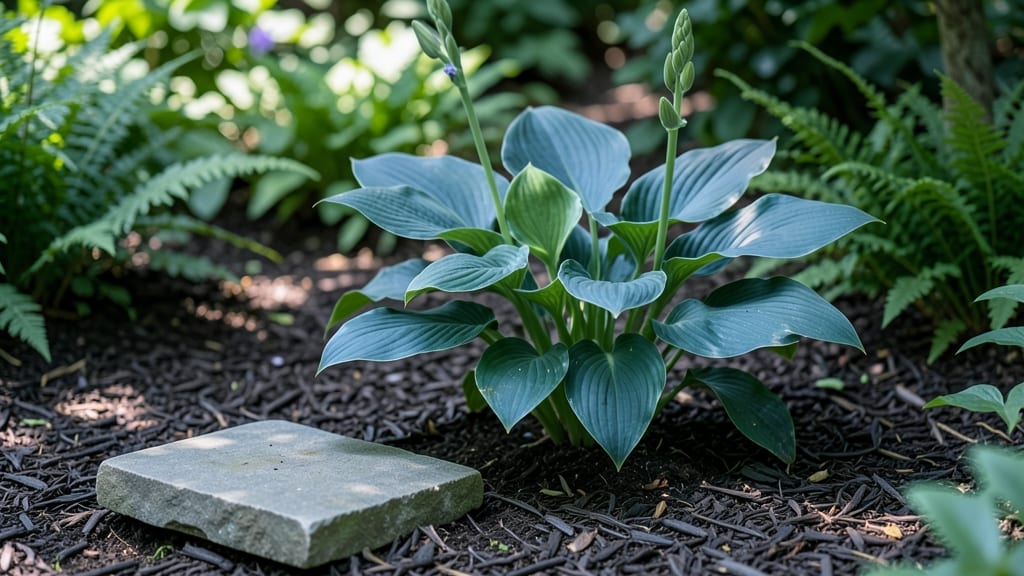
Decorative plant shade transforms dull corners into lush, textured spaces that feel alive year-round. ✨ My shady garden bed—once a forgotten patch of moss—now bursts with velvety hostas, feathery ferns, and deep-green calatheas that catch the dappled light like jewels.
The secret isn’t fighting the shade; it’s choosing plants that thrive there, turning limitations into a designer’s playground.
Start with three layers: tall plants like astilbes for height, mid-level hostas for structure, and low-growing sweet woodruff for spilling texture. Mix glossy leaves with matte ones—like the waxy foliage of heucheras against the fuzzy lamb’s ear—for instant visual drama.
Even in deep shade, these plants deliver bold colors and dramatic shapes that outshine sun-starved competitors.
You’ll end up with a garden that feels lush and intentional, not neglected. The key is playing with contrast: pair the deep purples of black Mondo grass with the silvery-blue of Japanese painted ferns, or let the chartreuse of golden pothos pop against a backdrop of dark hostas.
These combinations create depth and interest without needing sunlight.
Works for small patios, woodland edges, or even north-facing yards. The best part? Once established, these shade lovers need minimal fuss—just consistent moisture and an occasional trim. Let’s bring that understory magic to your space!
📚 In This Guide
- What you need
- Instructions
- Tips and common mistakes
- Wrapping up and next steps
What you need
- ● Decorative shade plants: 3–5 plants (e.g., Hostas, Ferns, Calatheas, or Cast Iron Plants). Choose varieties based on your light conditions (e.g., partial shade vs. deep shade).
- ● Containers or garden beds: Containers: 1–2 pots per plant (10–14" diameter for medium plants, 6–8" for small). Ensure pots have drainage holes.
- ● Garden beds: Loose, well-draining soil amended with 2–3 inches of compost.
- ● Potting mix: 1–2 bags of high-quality, well-draining potting soil (e.g., miracle-gro potting mix or peat-based blends for moisture retention).
- ● Mulch: 1–2 bags of organic mulch (e.g., shredded bark or pine straw) to retain moisture and suppress weeds.
- ● Fertilizer: Slow-release granular fertilizer (e.g., 10-10-10 or balanced organic fertilizer) or liquid fertilizer (e.g., fish emulsion).
- ● Required: Garden trowel or hand shovel
- ● Gloves (to protect your hands from soil and thorns)
- ● Watering can or hose with a gentle spray nozzle
- ○ Optional (but helpful!): Soil pH tester (to check if your soil is acidic or alkaline—most shade plants prefer 6.0–7.0)
- ● Pruning shears (for trimming leggy growth)
- ● Plant markers (to label your shade-loving beauties!)
- ● Knee pads (for comfort during planting)
- ● ✅ Location assessment: Identify areas receiving less than 4–6 hours of direct sunlight per day. Observe moisture levels—shady spots often stay damp longer.
- ● ✅ Soil prep: If planting in the ground, loosen soil to a depth of 12 inches and mix in compost for better drainage.
- ● ✅ Plant selection: Research your USDA hardiness zone to pick plants that thrive year-round in your climate.
Step-by-Step guide to creating a stunning low-light foliage display
Low-light spaces deserve drama too—here’s how to curate a lush, year-round collection that thrives without direct sun.
🌿 Step 1: Select the Right Plants for Your Light Conditions
Start by assessing your space’s light levels: bright indirect (near north-facing windows) or true low-light (10+ feet from windows). For bright indirect, prioritize snake plant (Sansevieria), ZZ plant (Zamioculcas), or pothos (Epipremnum)—they tolerate occasional dryness. In true low-light, focus on cast iron plant (Aspidistra), peace lily (Spathiphyllum), or Chinese evergreen (Aglaonema)—these thrive in humidity and minimal light.
I always group plants by light needs to avoid leggy growth or leaf scorch. A mix of textures—like the broad leaves of a calathea paired with the spiky dracaena—creates instant visual interest. Check labels or research each plant’s minimum light requirement before buying; some "low-light" plants still need bright indirect to perform well.
🪴 Step 2: Choose Containers and Soil for Optimal Drainage
Use containers with drainage holes—no exceptions. Terracotta pots wick away excess moisture, which is critical for plants like peace lilies that wilt when soggy. For 4 plants, a 6-inch pot per specimen gives roots room to breathe, while a large cachepot or tray (12+ inches) lets you group smaller plants together for a cohesive look.
Fill pots with a well-draining potting mix—avoid garden soil, which compacts and suffocates roots. I blend 50% peat or coconut coir, 30% perlite or pumice, and 20% compost to balance moisture retention and aeration. For humidity-loving plants like calatheas, add a thin layer of sphagnum moss on top to mimic their tropical understory habitat.
☀️ Step 3: Position Plants Strategically for Balance
Arrange plants by height and foliage shape to create depth. Place tall specimens (like dracaena or bamboo palm) at the back or center of your display, with medium-height plants (such as peace lilies or philodendrons) in the middle, and trailing varieties (pothos, string of pearls) at the edges. Rotate containers quarter-turn weekly to prevent plants from leaning toward the light source.
Watch for leaf color changes—yellowing or browning edges signal light stress. If leaves develop dark spots or crispy tips, your plant is getting too much indirect light (common near west-facing windows). Move it further back or add a light-colored sheer curtain to diffuse the brightness.
💧 Step 4: Establish a Watering Routine Based on Plant Needs
Most low-light plants prefer consistently moist but never soggy soil. Stick your finger 1 inch into the soil—if it feels dry, water until liquid drains from the bottom. Peace lilies and calatheas love humidity; mist their leaves 2-3 times weekly or set pots on a pebble tray with water to increase ambient moisture. For succulent-like plants (like snake plant), let the top 2 inches dry out between waterings.
Overwatering is the #1 killer of low-light plants. If leaves yellow or droop, hold off on watering for 3-5 days to let roots recover. A self-watering pot or moisture meter takes the guesswork out of hydration—especially useful if you travel frequently.
✂️ Step 5: Prune and Maintain for Long-Term Health
Trim yellow or damaged leaves with clean scissors to encourage new growth. For leggy plants (like pothos stretching toward light), pinch back the top 2-3 inches of stems to promote bushier growth. Dust leaves monthly with a damp cloth—low-light plants often miss out on natural rain showers, and dust blocks their ability to photosynthesize.
Fertilize monthly in spring/summer with a balanced liquid fertilizer (10-10-10 or 20-20-20), but skip fertilizing in fall/winter when growth slows. If you notice pale leaves or slow growth, your plant may need a light boost—rotate it closer to the window or supplement with a grow light for 12-14 hours daily.
Tips & tricks for perfect low-light foliage displays
Between us, creating a thriving low-light plant display isn't just about choosing the right plants—it's about understanding their subtle needs to create that lush, year-round drama. Here's what I've learned after years of experimenting with these delicate ecosystems.
Light Assessment: Don't rely solely on window proximity—test your space with a simple experiment. Place a white piece of paper near potential plant locations for a full day. If it shows clear shadows, you have bright indirect light. If it remains uniformly gray, you're dealing with true low-light conditions. This helps you match plants to their ideal environments, preventing that frustrating leggy growth or leaf scorch that ruins the aesthetic.
Container Strategy: The 6-inch pot size recommendation works perfectly for single specimens, but here's the game-changer: Use a cachepot that's 2-3 inches larger than your plant's current pot. This creates a hidden reservoir for moisture, which is especially helpful for humidity-loving plants like calatheas. The extra space also allows you to adjust watering frequency based on seasonal changes without disturbing your carefully curated arrangement.
Seasonal Adjustments: In Step 4, when establishing your watering routine, remember that most low-light plants go dormant in winter. Reduce watering to every 2-3 weeks during colder months, checking that top 2 inches of soil before watering. The 12-14 hours of grow light mentioned for pale leaves? I've found that supplementing with a simple LED grow bulb (not full spectrum) for just 6-8 hours daily can make a noticeable difference without overwhelming your plants.
Texture Layering: For that professional display look, focus on creating three distinct layers when arranging your plants. Start with your tallest specimen (like dracaena) as your vertical anchor, then add medium-height plants (peace lilies) for mid-level interest, and finally incorporate trailing varieties (pothos) that spill over the edges. This creates depth perception that makes even small spaces feel lush and intentional—something I've perfected after rearranging my own collection countless times.
Pro Tips for Decorative Plant Shade
- Between us, creating a thriving low-light plant display isn't just about choosing the right plants—it's about understanding their subtle needs to create that lush, year-round drama.
- Light Assessment: Don't rely solely on window proximity—test your space with a simple experiment.
- Container Strategy: The 6-inch pot size recommendation works perfectly for single specimens, but here's the game-changer: Use a cachepot that's 2-3 inches larger than your plant's current pot.
Frequently asked questions
Got questions about keeping your decorative plants lush and happy in shade?
You're not alone! Here are some of the most common concerns—and their solutions—to help you create a thriving low-light garden all year round.
What are the best low-light-tolerant plants for indoor shade gardens?
Look for plants like Zamioculcas zamiifolia (ZZ plant), Spathiphyllum (peace lily), or Philodendron varieties—they’re tough, stylish, and thrive with minimal sunlight. For outdoor shade, consider Hostas, Ferns, or Calatheas. These picks handle dim conditions without fuss!
How often should I water shade-loving plants?
Shade plants often need less water, but consistency is key. Check soil moisture weekly—stick your finger 1-2 inches deep. Water when dry, but avoid soggy soil (root rot is a sneaky threat!). Pro tip: Use well-draining pots or raised beds to prevent overwatering.
Can decorative shade plants survive near a window with indirect light?
A north- or east-facing window with filtered light is ideal for most shade plants. Rotate them occasionally for even growth. Avoid south-facing windows unless they’re heavily shaded—direct sun can scorch delicate leaves.
Why are my shade plants’ leaves turning yellow or brown?
Yellowing leaves often signal overwatering or poor drainage, while brown edges can mean underwatering or low humidity. Fix it: Adjust your watering routine, mist leaves, or group plants together to boost humidity. Check for pests (like spider mites) too—wipe leaves with a damp cloth if needed.
Are there any shade plants that bloom year-round?
While most shade plants prioritize foliage, a few like Anthuriums (velvet leaves + bold flowers) or African Violets can bloom intermittently. For consistent color, pair them with non-blooming stars like Snake Plants or Pothos—their textures and colors shine year-round!
Wrapping up and next steps
Transforming your space with decorative shade plants is easier—and more rewarding—than you think! 🌿 From lush ferns to vibrant calatheas, these low-light champions bring life to corners where sunlight struggles to reach.
Whether you’re a seasoned gardener or just starting, the key is choosing the right plants, providing consistent care, and letting their natural beauty shine.
Ready to elevate your indoor or outdoor oasis? Start small: Pick one or two plants from our list, experiment with placement, and watch your space flourish year-round. Happy planting—your green sanctuary awaits! 🌱✨