
Shrubs
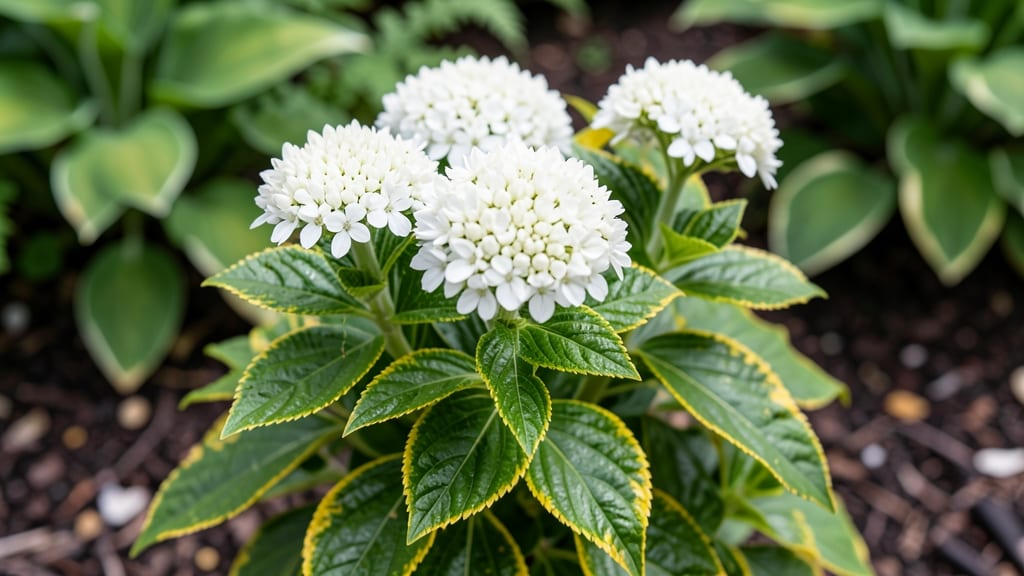
Deer-resistant shrubs for shade thrive in low-light conditions while deterring browsing through toxic foliage or strong scents like boxwood, holly, and inkberry. Opt for varieties with dense leaves or prickly textures for extra protection.
Deer avoid these plants because their leaves contain natural compounds like alkaloids and tannins that taste bitter or even toxic to them. 🌿 Unlike deciduous shrubs that lose their protective foliage in winter, evergreens maintain their deer-deterring qualities year-round.
I've found that combining these with physical barriers like fencing creates an even stronger defense system for your garden.
For shade gardens, focus on plants that naturally grow in partial to full shade (4-6 hours of sunlight daily). Boxwood and inkberry are particularly hardy, tolerating zones 5-9 and requiring minimal maintenance once established.
Plant them along property edges or near windows where their dense foliage can also provide seasonal privacy screens.
💡 In This Article
- Why Toxic Foliage Makes Shrubs Deer-Proof
- Best Deer-Resistant Evergreen Shrubs for Shady Gardens
Why toxic foliage makes shrubs deer-proof
Deer rely on their keen sense of smell and taste to avoid plants, so shrubs with toxic foliage essentially "taste bad" to them. The key compounds involved are alkaloids (like those in boxwood) and tannins (abundant in holly), which create bitter flavors that deer instinctively reject.
For example, boxwood contains buxine alkaloids that can cause gastrointestinal distress in deer, making them steer clear even when hungry. 🌿 These chemicals act like natural pesticides, protecting the plant while deterring herbivores.
The toxicity level varies by species, but most deer-resistant shrubs contain enough compounds to be unpalatable rather than deadly. Holly's sharp spines provide an additional physical deterrent, while inkberry's methyl salicylate (similar to wintergreen oil) creates a strong scent that repels deer.
Evergreens often have an advantage in shade because their year-round foliage maintains these chemical defenses continuously, unlike deciduous plants that lose protection when leaves drop in winter.
Light conditions also influence chemical production. Shade-tolerant shrubs like pieris (Andromeda) produce higher concentrations of arbutin and andromedotoxin when grown in lower light, making them even more unappealing to deer.
This is why these plants thrive in partial shade (4-6 hours of sunlight daily)** and become more effective deer deterrents in shady gardens. The trade-off is that some toxic compounds may reduce slightly in very dense shade, so proper placement is crucial.
Here's how the chemical defenses work in practice:
- Boxwood: Alkaloids create bitter taste and potential stomach upset
- Holly: Tannins + sharp spines create physical and chemical deterrents
- Inkberry: Methyl salicylate produces strong wintergreen scent
- Pieris: Arbutin compounds cause mild toxicity when ingested
The scent component is particularly important because deer have an exceptional sense of smell (up to 15 times better than humans). When you crush the leaves of these shrubs, the released volatile oils create an immediate warning signal. 🌟 This dual defense system—chemical toxicity combined with strong aromas—makes these evergreens far more effective than physical barriers alone in preventing deer browsing.
What most gardeners don't realize is that deer develop preferences based on seasonal availability. In late winter when food is scarce, they may test plants they normally avoid. This is why combining chemical defenses with physical barriers (like fencing) creates the most reliable protection system during critical periods.