
Plants
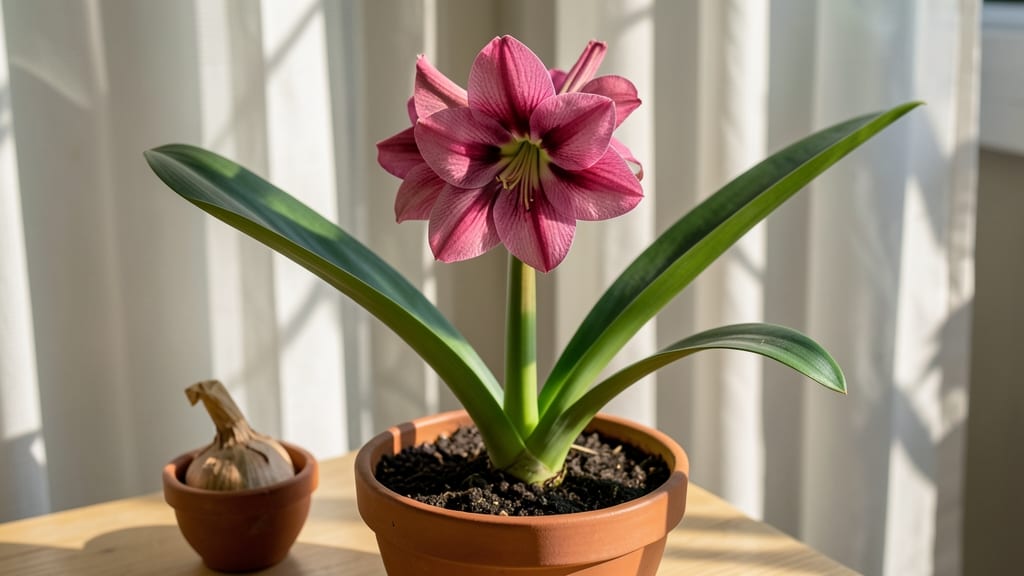
Do amaryllis like sun or shade—most prefer bright, indirect light—the key to keeping those showstopping blooms coming back year after year.
Struggling to keep your amaryllis blooming year after year? The battle between sun and shade is the silent dealbreaker most gardeners overlook—yet it determines whether your plant thrives or throws its petals in surrender.
Too much direct sun can scorch the leaves, while too little light means weak stems and no flowers. The trick is finding that sweet spot where your amaryllis gets 6-8 hours of bright, indirect sunlight daily, whether indoors near an east or west window or outdoors in filtered light.
In this guide, I’ll break down exactly how to position your amaryllis for success, spot signs of light stress, and adjust conditions as the seasons change—so you can enjoy those stunning blooms without the guesswork.
 Best Window Placement
Optimal sunlight requirements for amaryllis blooms and growth
Amaryllis plants are stunning winter bloomers that thrive when given the right balance of light. Too much shade can lead to weak stems and no flowers, while too much direct sun can scorch their delicate leaves.
Understanding their light needs by growth stage is key to keeping your amaryllis healthy and blooming year after year. Whether you're growing them indoors near a window or outdoors in a garden bed, getting the light conditions right makes all the difference.
During the vegetative stage (when leaves are growing), amaryllis prefer bright indirect light for about 6-8 hours daily. This helps them build energy for their dramatic flower spikes later on.
When they enter the flowering stage, they can handle a little more direct sunlight—up to 4-6 hours—as long as it's not the harsh midday sun. The trick is finding that sweet spot where they get enough light to bloom but aren't fried by intense rays.
Here’s a quick breakdown of their light needs at a glance:
| Growth Stage | Light Requirement | Indoor Placement | Outdoor Placement |
|---|---|---|---|
| Vegetative (Leaf Growth) | Bright indirect light (6-8 hrs) | East or west window, 1-3 ft away | Partial shade (morning sun) |
| Flowering Stage | Bright light with 4-6 hrs direct sun | South window (filtered) or grow lights | Full sun with afternoon shade |
| Dormancy | Low light (3-4 hrs indirect) | Cool, dim corner or basement | Move indoors or to shade |
Indoors, the best spots for amaryllis are east-facing or west-facing windows, where they get gentle morning or late afternoon sun without the intensity of midday rays. If you only have a south-facing window, place your amaryllis 3-5 feet back from the glass to avoid leaf burn.
For outdoor gardeners, amaryllis bulbs planted in partial shade with morning sun perform best in USDA zones 7-11, where they can enjoy cooler temperatures and filtered light.
Watch for signs of light stress like yellowing leaves or elongated stems, which mean your plant isn’t getting enough light. On the flip side, crispy brown edges or white patches on leaves signal too much direct sun.
Adjust their position gradually—don’t move them suddenly—to avoid shocking the plant. A slow transition over a week or two helps them adapt without stress.
In hot climates, amaryllis often need afternoon shade to prevent wilting or sunburn. Use a sheer curtain or a lattice screen to diffuse harsh rays while still letting in plenty of light.
If you’re growing them outdoors in cooler zones, they can handle more direct sunlight once established, but always monitor their leaves for signs of stress. Rotate your pots occasionally to ensure even growth, as plants tend to lean toward their light source.
For indoor growers, supplementing with a grow light (like a full-spectrum LED) for 12-14 hours a day can encourage blooming if natural light is lacking. Place the light 6-12 inches above the plant and keep it on a timer to mimic daylight cycles.
This is especially helpful in northern climates or during short winter days when sunlight is scarce.
Remember, amaryllis are bulb plants, and their light needs change with the seasons. In fall and winter, when they’re actively growing and blooming, they crave more light. But during their summer dormancy, they can thrive in low-light conditions with minimal care.
Pay attention to their cues—healthy leaves and strong stems mean you’re nailing the light balance!
With the right light conditions, your amaryllis will reward you with showstopping blooms that last for weeks. Experiment with placement, observe your plant’s response, and soon you’ll have a foolproof routine for keeping your amaryllis happy and flowering like clockwork. 🌸
How to adjust light conditions for amaryllis in different climates
Amaryllis thrive in bright indirect light, but their needs shift dramatically across tropical, temperate, and arid climates. In humid tropical zones, direct afternoon sun can scorch leaves, while dry desert climates demand afternoon shade to prevent dehydration. The key is flexible positioning—adjusting as seasons change.
Indoor amaryllis near south-facing windows often need sheer curtains to diffuse harsh rays, while outdoor plants in temperate zones benefit from morning sun and afternoon shade. Rotating pots weekly ensures even growth, preventing lopsided stems or weak blooms. Seasonal adjustments—like moving plants indoors before winter—can make all the difference.
⚠️ Myth Buster: Amaryllis Need Bright Light, Not Full Sun
Too much shade leads to pale leaves and no blooms, while direct midday sun causes brown leaf tips and wilting. The sweet spot? 6-8 hours of filtered light—think dappled sunlight under a tree or an east-facing window. Even outdoor amaryllis in arid climates need afternoon shade to survive.
For tropical climates, use lattice screens or bamboo blinds to filter intense sunlight while maintaining airflow. In temperate zones, a simple white sheer curtain over a south window prevents overheating during summer. Arid regions? Reflective mulch around pots bounces light upward, mimicking natural shade patterns.
Seasonal shifts matter too. During winter dormancy, reduce light exposure to 4-6 hours daily—move pots away from windows to signal the plant to rest.
When buds form in late summer, gradually increase light to 8 hours/day to encourage strong blooms. Skip sudden changes; amaryllis hate light whiplash.
Watch for uneven growth—a sign your plant isn’t rotating enough. Turn pots quarter-turns weekly to keep stems straight and leaves evenly colored. Grouping amaryllis together also helps; they’ll lean toward the light source if isolated. Pro tip: Place them near other houseplants to create a natural light buffer.
Outdoor amaryllis in containers need extra care. Elevate pots on brick stands to improve airflow and reduce heat stress. If leaves turn yellow or crispy, it’s a cry for shade or water.
Conversely, dark green but leggy stems mean they’re reaching for more light. Adjust gradually—amaryllis adapt best to slow changes.