
Blooming
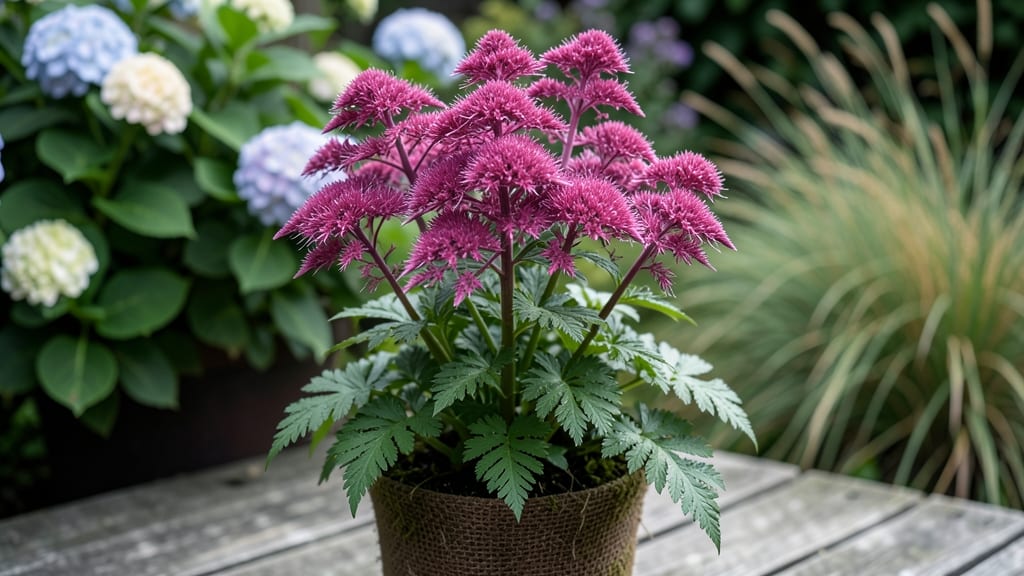
Astilbe plants do not bloom all summer—most varieties produce flowers for just 4-6 weeks, usually from late spring through early summer (May to July), though some reblooming cultivars may yield occasional late-season flowers if growing conditions are perfect.
While their short bloom season might seem disappointing, astilbe's delicate plumes add seasonal charm that few perennials can match. 🌸 The key to maximizing their display lies in choosing the right variety—reblooming types like 'Fanal' or 'Struppi' may surprise you with sporadic blooms in fall if given consistent moisture and well-draining soil.
I've found that deadheading spent blooms encourages new growth, though it won't extend the main season by much. What truly makes astilbe special is their foliage, which stays attractive long after the flowers fade, providing year-round garden interest.
For gardeners in cooler climates (USDA zones 3-8), timing is everything—planting astilbe in partial shade and keeping soil consistently moist can push blooms slightly later in the season. The trade-off? Their shorter bloom period means you'll need to plan companion plants that fill gaps before and after their peak display.
Think of them as nature's fireworks—brief but spectacular when they perform!
💡 In This Article
- Astilbe Bloom Seasons: Exact Months by Variety
- How to Extend Astilbe Blooms with Proper Care
Astilbe bloom seasons: exact months by variety
Astilbe's flowering window hinges on variety and climate, with most traditional types blooming for a tight 4-6 week period. Early bloomers like 'Deutschland' typically appear in late May to early June, while late varieties such as 'Amethyst' peak in June to mid-July.
The difference comes down to photoperiod sensitivity—these plants respond to increasing daylight hours, with blooming triggered when days reach 14-16 hours of light. In northern climates (USDA zones 3-5), this happens earlier than in southern zones (6-8), where heat can delay flowering until late June.
Reblooming varieties like 'Fanal' or 'Struppi' defy this pattern by producing secondary blooms in late summer or fall, though these are usually sparse and less vibrant. The mechanism involves hormonal shifts—when you deadhead spent blooms, the plant redirects energy to new growth rather than seed production.
However, these late blooms rarely match the 3-4 week duration of primary blooms. 🌸 What's fascinating is how temperature plays a role: in cooler summers (average highs below 80°F), reblooming is more likely than in scorching conditions.
Color also affects timing—darker plumes (deep pink, purple) tend to bloom slightly later than lighter varieties (white, lavender) due to different pigment production rates. For example, 'Bridal Veil' (white) often flowers 1-2 weeks earlier than 'Purple Cascade' (deep purple).
This color-based timing can help gardeners create sequential blooms by planting multiple varieties, though no astilbe will flower continuously all summer.
Regional variations are dramatic: in Seattle (zone 8), astilbe may bloom from May 15 to July 1, while in Denver (zone 5), the window shifts to June 10 to July 15.
The key factor is soil moisture—consistent dampness (never soggy) can extend blooms by 1-2 weeks by reducing stress. In drought conditions, flowering may halt completely after 3 weeks, with plants focusing on survival rather than reproduction.
What most gardeners overlook is how astilbe's foliage compensates for the short bloom season. The fern-like leaves remain attractive for 6-8 months, turning bronze or copper in fall. This dual-season interest makes astilbe a smart choice for layered gardens where you want both color and texture year-round.
The trade-off? Their brief but spectacular blooms demand careful planning to maximize visual impact.