
Blooming
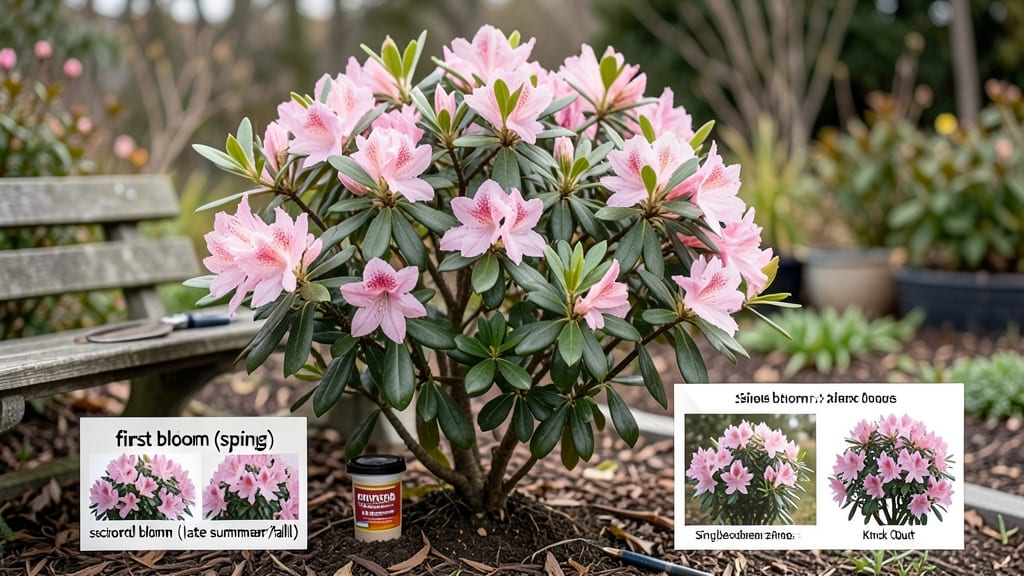
Yes, some azaleas do bloom more than once yearly, particularly reblooming types like 'Birkdale Pink' or 'Girard's Hot Pink'—they can produce two flower cycles with the right care, including pruning after blooms, balanced fertilization, and steady moisture. Traditional varieties typically bloom just once.
What sets reblooming azaleas apart is their genetic ability to respond to seasonal cues twice. 🌸 Unlike single-bloomers that focus energy on one spring/summer show, these varieties develop buds in late summer after proper pruning.
The key is timing—prune right after the first bloom fades to avoid cutting off next year's flower buds. I've found that rebloomers need consistent moisture (about 1 inch per week) and a balanced fertilizer with higher phosphorus during active growth phases to encourage multiple flushes.
For best results, plant reblooming azaleas in partial shade where they get morning sun and afternoon shade. This protects their delicate blooms from late-season heat stress. If your azalea only blooms once, it's likely a traditional variety—but even these can sometimes produce a few late-season buds if given ideal conditions.
The trade-off? Rebloomers often have slightly smaller flowers than their single-blooming cousins.
💡 In This Article
- How Reblooming Azalea Varieties Work
- Step-by-Step Guide to Encouraging Azalea Reblooming
How reblooming azalea varieties work
The magic behind reblooming azaleas lies in their genetic programming and growth habits. Unlike single-blooming varieties that produce flowers on old wood (last year's growth), rebloomers develop buds on both old and new wood. This means they can generate a second flush of blooms if given the right conditions.
The key difference is in their photoperiod sensitivity—rebloomers respond to shorter daylight hours in late summer, triggering new flower buds after the first bloom cycle.
Temperature plays a crucial role too. Reblooming azaleas need a period of cool weather (50-60°F) in late summer to break dormancy and stimulate new growth.
Without this, they may produce fewer or no second blooms. 🌸 The 'Birkdale Pink' variety, for example, thrives in zones 6-9 and typically blooms first in spring, then again in late summer if temperatures stay moderate.
Traditional azaleas, however, rely solely on old wood growth and won't rebloom without significant genetic modification.
Pruning timing is critical—rebloomers must be pruned right after the first bloom fades, never before. This removes spent flowers and shapes the plant while preserving next year's buds on old wood. Cutting too early risks removing potential second-flush buds.
The trade-off? Rebloomers often have slightly smaller flowers (about 2-3 inches wide) compared to single-bloomers' 3-5 inch showstoppers, but their extended display makes up for it.
Light exposure matters too. Rebloomers need partial shade (3-6 hours of morning sun) to prevent heat stress during their second bloom cycle. Too much afternoon sun can cause buds to drop.
The 'Girard's Hot Pink' variety, for instance, handles partial shade better than full sun, which is why it's a favorite for shady garden spots. Traditional azaleas are more sun-tolerant but won't rebloom regardless of light conditions.
Here's what's happening at the cellular level: Rebloomers produce auxin hormones that regulate bud formation differently than single-bloomers. These hormones respond to seasonal cues (day length, temperature) to trigger new growth. Without proper care, rebloomers revert to single-blooming behavior, proving how sensitive they are to environmental factors. 💫
Consider this comparison: A single-blooming azalea like 'Hino Crimson' puts all its energy into one spectacular spring show, while a rebloomer like 'Tiny Wine' spreads that energy across two seasons—though each bloom is smaller. The choice depends on whether you prefer a dramatic once-a-year display or a prolonged, modest show.