
Orchid Care
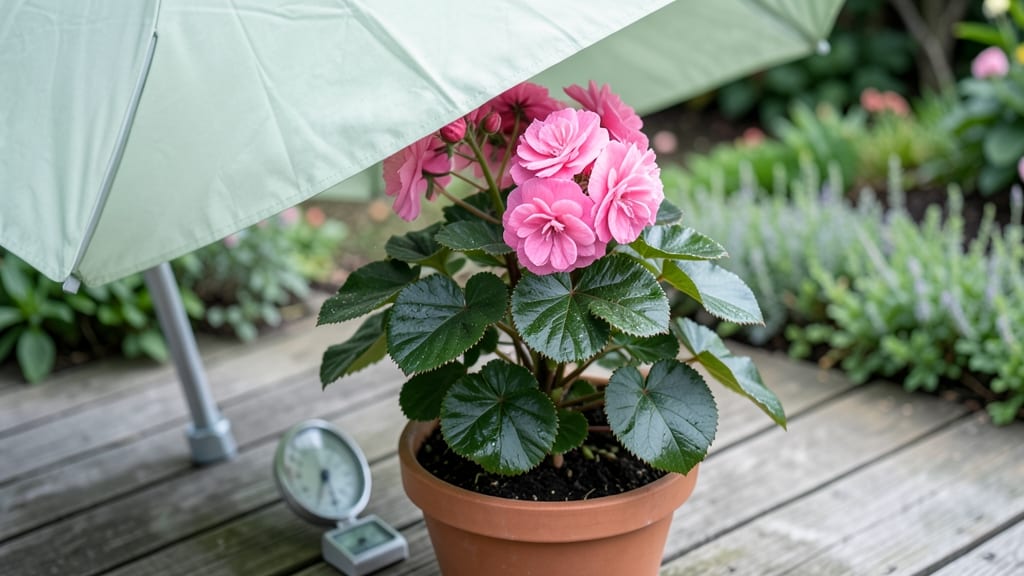
Do begonias need sun or shade—because striking the right balance is key to keeping those gorgeous blooms lush and thriving.
Struggling to keep your begonias thriving? The battle between sun and shade might be the key to unlocking lush foliage and vibrant blooms—without turning your plants into crispy or leggy messes.
Most begonia varieties, like the tuberous or fibrous types, crave partial shade—think dappled sunlight or a spot just outside the harsh afternoon rays. Too much direct sun? Watch for yellowing leaves or scorched edges. Too little light? Your plant will stretch toward the window, growing weak and sparse.
In this guide, I’ll break down the ideal light conditions for each type, how to spot light stress, and the easiest ways to adjust your begonia’s environment—whether it’s indoors by a window or outdoors under a tree.
 Best Window Placement
Ideal light conditions for begonias: sun vs shade breakdown
Begonias are dazzling plants with stunning foliage and vibrant blooms, but their light needs can be confusing. Too much sun scorches their delicate leaves, while too little shade causes leggy, weak growth. The key is understanding each variety's unique tolerance—some thrive in bright, indirect light, while others prefer dappled shade.
Let's break down the sun vs. shade requirements for the most popular begonia types to keep your plants happy and blooming.
Most begonias fall into the partial shade category, meaning they need protection from harsh midday rays but still crave bright, filtered light. However, tuberous begonias are an exception—they can handle more sun, especially in cooler climates.
The trick is balancing light exposure to prevent sunburn or weak stems. Think of it like Goldilocks: not too hot, not too dim, but just right for your specific variety.
Here’s where things get interesting: Rex begonias with their striking foliage need bright, indirect light to showcase their colors, while wax begonias with their glossy leaves prefer slightly more shade.
Even within these categories, microclimates matter—your east-facing window might be perfect for one type, while the same spot could fry another. Let’s dive into the specifics so you can position your begonias perfectly.
| Variety | Sunlight Needs | Direct Sun Tolerance | Risks of Too Much Sun | Risks of Too Little Light |
|---|---|---|---|---|
| Tuberous Begonias | Morning sun + afternoon shade | 2-4 hours max | Sunburn, crispy edges | Leggy stems, sparse blooms |
| Rex Begonias | Bright, indirect light | 0 hours (none) | Faded foliage, leaf scorch | Pale leaves, weak growth |
| Wax Begonias | Partial shade (dappled light) | 1 hour max (morning) | Brown leaf spots | Stunted growth, few flowers |
| Angel Wing Begonias | Indirect light, low light tolerance | 0 hours (none) | Leaf bleaching | Etoliation (stretched stems) |
| Fibrous Begonias | Partial shade to shade | 0-1 hour (early morning) | Leaf curl, yellowing | Weak stems, poor blooming |
Tuberous begonias are the most sun-tolerant variety, making them ideal for garden beds with morning sun and afternoon shade. They can handle up to 4 hours of direct sun in cooler climates (zones 6-8), but in hotter areas, even this can cause leaf burn.
If you notice brown crispy edges on the leaves, it’s a clear sign they’re getting too much sun. Move them to a spot with filtered light or use a sheer curtain to diffuse harsh rays.
Rex begonias, prized for their colorful, textured leaves, are the most shade-loving. Place them near an east-facing window where they’ll receive bright, indirect light without the risk of sunburn. If their leaves start looking pale or lose their vibrant patterns, they’re not getting enough light.
Rotate the pot occasionally to ensure even growth, as they’ll lean toward the light source.
Wax begonias strike a balance between sun and shade, thriving in dappled sunlight like that found under tall trees. Their glossy leaves reflect light beautifully, but direct afternoon sun will cause unsightly brown spots.
For container growers, a spot on a covered patio or under a pergola works perfectly. If your wax begonias aren’t blooming, they might need slightly more light—just avoid the harsh midday sun.
Angel wing and fibrous begonias are the most forgiving when it comes to low light, making them perfect for indoor growing in offices or bathrooms. However, they won’t thrive in complete darkness.
Place them within 3 feet of a window or use a grow light for 6-8 hours daily during winter months. If you notice their stems stretching excessively (a condition called etiolation), it’s time to move them closer to a brighter spot.
For
Signs your begonias aren’t getting the right light (and how to fix it)
Your begonias might be silently screaming for help—through pale leaves, weak stems, or sparse blooms. These light stress symptoms often go unnoticed until your plants look more like sad houseguests than vibrant showstoppers.
The key is recognizing the subtle clues your begonias use to communicate their light needs, whether they're begging for more shade or craving brighter conditions.
Most begonias thrive in bright, indirect light, but even a slight shift—too much sun or too little—can send them into a downward spiral. For example, tuberous begonias love morning sun but wilt in afternoon heat, while rex begonias prefer filtered light to keep their stunning foliage from burning.
Understanding these differences is the first step to rescuing your plants before they throw in the towel.
⚠️ Begonias Need Partial Shade—Not Full Sun or Deep Dark
Too much sun: Crispy leaf edges, yellowing, and bleached spots from UV damage. Too little light: Leggy stems, pale leaves, and few-to-no blooms. The sweet spot is 4-6 hours of bright, indirect light daily—think dappled shade under a tree or an east-facing window.
Start by checking your begonias' leaves for color clues. Deep green leaves with vibrant patterns mean they're happy, but pale or yellowing foliage signals light deficiency.
Conversely, brown patches or crispy edges scream "too much sun!"—a common mistake when moving potted begonias from shade to full sun too quickly. The fix? Gradually adjust their light exposure over 7-10 days to avoid shocking their delicate systems.
Weak, spindly stems and sparse blooms are classic signs your begonias are stretching toward the light like sunbathing teens. This etiolation happens when plants don’t get enough light to photosynthesize properly.
To fix it, move them to a brighter spot (like a south-facing window with sheer curtains) or supplement with a grow light for 6-8 hours daily. Rotate your pots weekly so all sides get even light exposure.
For outdoor begonias, afternoon sun is the enemy—especially between 12 PM and 4 PM. If your plants are in a garden bed, provide afternoon shade using a cloth shade cloth (30-50%) or plant taller, sun-loving companions like coleus or impatiens nearby to break the harsh rays.
Indoor begonias near west-facing windows? Pull them back 3 feet to diffuse the intensity without sacrificing their light needs.
Remember, begonias are divas—they demand consistency. If you’ve been guilty of moving them around like a game of musical chairs, give them a permanent home with stable light conditions. Monitor their response for 2-3 weeks, adjusting as needed.
With the right light, your begonias will reward you with glossy leaves and nonstop blooms—proof that even picky plants can thrive when you speak their language.