
Blooming
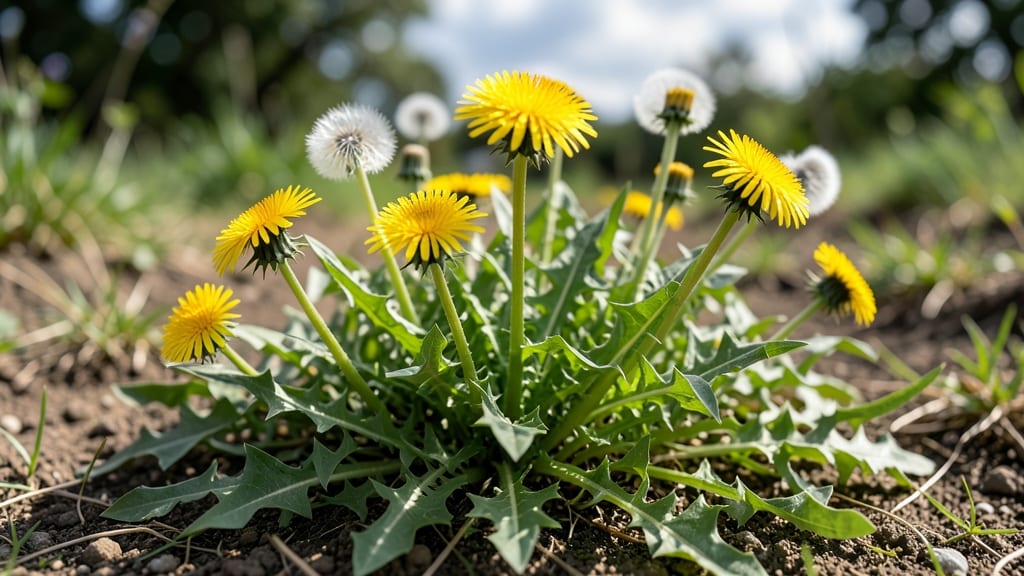
Dandelions don't bloom all summer continuously—they flower intensively in early spring, then produce sporadic blooms through warm months, with patterns shifting based on climate. Their peak seasons occur in spring, but cooler fall temperatures can trigger another round of flowering.
Dandelions are actually seasonal bloomers, with their growth cycles tightly linked to temperature shifts. 🌸 In most regions, they burst into full bloom in early spring when days lengthen, then enter a semi-dormant state during hot summer months.
The key to understanding their blooming patterns lies in their native adaptation to temperate climates—where they evolved to capitalize on spring's ideal growing conditions. What many gardeners don't realize is that these hardy plants can actually respond to environmental cues, sometimes producing secondary blooms in fall when temperatures dip again.
This makes them surprisingly adaptable to different growing zones, though their flowering intensity varies dramatically between seasons.
What's particularly interesting is how regional climate plays a role. In cooler northern climates, dandelions might have just one main bloom period in spring, while in milder southern zones, they can produce multiple smaller blooms throughout the year.
The plant's ability to sense temperature changes through its taproot system allows it to "time" its flowering cycles with optimal growing conditions—a survival strategy that makes them both resilient and unpredictable in gardens.
This seasonal behavior is why you'll often see dandelions looking lush and vibrant in spring, then appearing more sporadically as summer progresses.
💡 In This Article
- Dandelion Flowering Seasons by Climate Zone
- Encouraging Year-Round Dandelion Blooms in Gardens
Dandelion flowering seasons by climate zone
Dandelions are photoperiod-sensitive plants, meaning their blooming cycles are triggered by specific daylight patterns rather than just temperature. In temperate zones (USDA 5-8), they typically experience their most vigorous flowering in early spring (March-May) when day length increases rapidly from 10-12 hours to 14-16 hours.
This extended daylight period signals the plant to produce the energy-intensive flower buds, which require 12-16 weeks of development from seed to full bloom. The bright yellow flowers you see in spring are actually composite flower heads containing 100-200 individual florets, each capable of producing seed after pollination.
The summer months often bring reduced blooming activity because dandelions enter a semi-dormant state to conserve water during heatwaves. In hotter southern climates (USDA 9-10), where temperatures regularly exceed 90°F, you might notice dandelions producing smaller, less frequent blooms or even going completely dormant until fall rains return.
This adaptation helps prevent dehydration through their deep taproots, which can extend 12-18 inches below ground to access moisture. The plant's ability to detect soil moisture levels through root pressure triggers these dormancy periods—a survival mechanism that explains why summer gardens often look less vibrant.
Fall reblooming occurs in cooler regions (USDA 4-6) when temperatures drop to 60-70°F and daylight shortens again. This second flowering cycle, often called the "autumn flush," produces flowers that mature into seeds before winter frost.
In mild coastal climates (USDA 8-10), where winters rarely drop below 40°F, dandelions may continue blooming sporadically year-round, though with 30-50% fewer flowers than spring peaks.
The key difference between seasons lies in the plant's energy allocation: spring blooms prioritize seed production for next year's growth, while fall blooms focus on survival through winter.
What's particularly fascinating is how elevation affects blooming patterns. At higher altitudes (above 3,000 feet), dandelions typically bloom 2-3 weeks later than at sea level due to cooler temperatures and shorter growing seasons.
Mountain gardeners often report seeing dandelions in full bloom when coastal areas are already in summer dormancy. This delayed timing creates a beautiful staggered effect across landscapes—a reminder that what appears random is actually a precise biological response to environmental cues.
The plant's ability to "read" these cues through its circannual clock (a biological timer for seasonal changes) explains why dandelions can appear so unpredictable in gardens.
In tropical and subtropical zones (USDA 11-12), dandelions exhibit completely different behavior, often blooming continuously throughout the year with no distinct seasonal peaks. The lack of temperature extremes means these plants allocate energy more evenly across all seasons.
However, even in warm climates, you'll notice reduced flowering during monsoon seasons when heavy rains can wash away pollen or cause soil compaction that stresses the roots. This creates the illusion of "off-seasons" even in tropical environments—a perfect example of how dandelions adapt their blooming strategies to local microclimates.
Understanding these regional patterns helps explain why your neighbor's dandelions might look completely different from yours. In northern gardens, you might see one massive spring bloom followed by sparse summer flowers, while southern gardens could have three smaller blooming cycles spread throughout the year.
The plant's flexibility in timing makes it both resilient and surprisingly responsive to garden conditions—meaning with the right care, you can actually influence when and how vigorously they flower. 🌿