
Blooming
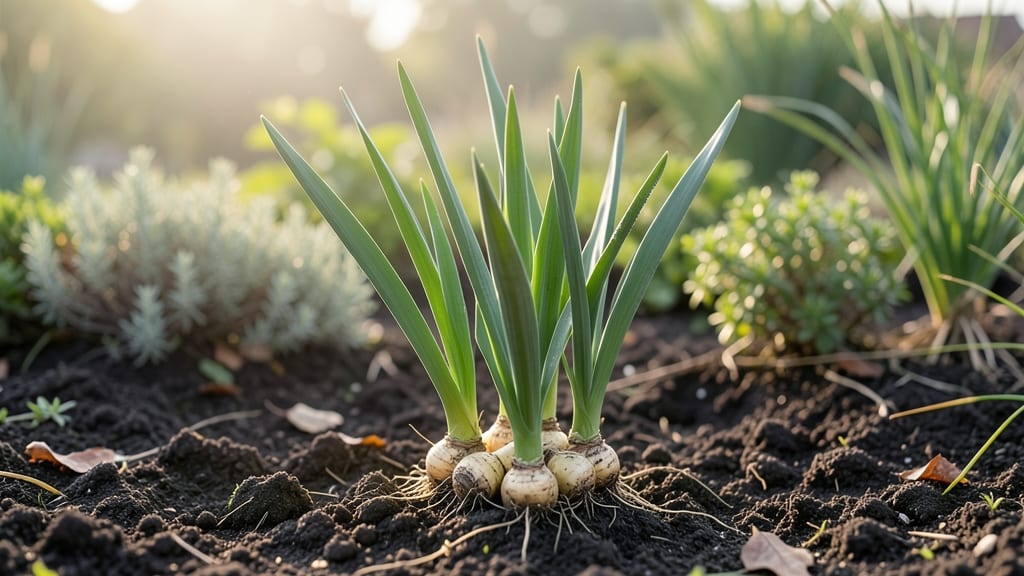
Iris plants typically don't bloom in their first year because they focus all their energy on developing a strong root system and rhizomes, a biological process that ensures long-term vitality and future flowering potential.
This isn't laziness—it's smart survival strategy. 🌱 Iris plants follow a strict growth cycle where the first year is all about building underground reserves. Think of it like a teenager saving for college: they delay gratification now to secure a brighter future.
The thicker and more extensive the rhizomes become, the more robust the blooms will be in subsequent years. Proper care during this foundational phase—like well-draining soil and consistent moisture—can sometimes coax earlier flowering, but patience remains key.
What's fascinating is how this aligns with their natural habitat. Many iris species grow in temperate climates where winter dormancy is part of their life cycle.
This built-in delay ensures they'll have the energy reserves to produce vibrant blooms when conditions are optimal, rather than wasting resources on flowers that might not survive harsh winters.
💡 In This Article
- Why Iris Plants Skip Blooming in Year One
- How to Encourage First Blooms in Young Iris Rhizomes
Why iris plants skip blooming in year one
Iris plants follow a biological growth pattern where the first year is dedicated entirely to establishing a robust root system and rhizomes. This isn't just about size—it's about creating energy reserves stored in the rhizomes, which act like underground batteries.
During this stage, up to 80% of the plant's resources go toward developing these thickened stems and fibrous roots, rather than producing flowers. The rhizomes swell with starches and nutrients, preparing for future blooming seasons when conditions are optimal.
The science behind this lies in the plant's survival strategy. Iris species evolved in temperate climates where winter dormancy is crucial. By delaying flowering, they ensure they have enough stored energy to survive harsh conditions and produce vibrant blooms when spring arrives.
This process mirrors what happens with many perennial plants, where the first year is all about vegetative growth (leaf and root development) before shifting to reproductive growth (flower production).
The transition between these stages is triggered by a combination of temperature changes, daylight hours, and root maturity.
Consider this: A well-established iris rhizome can weigh 2-3 times more after its first growing season compared to when it was planted. This increased mass directly correlates with flowering potential in subsequent years.
The larger the rhizome, the more flowers it can support, and the more vibrant those blooms will be. This is why gardeners often see their iris plants produce dozens of blooms in years two or three, while first-year plants might only show leaves and minimal rhizome growth.
There's also a hormonal component at play. Young iris plants produce higher levels of auxin, a plant hormone that promotes root growth and suppresses flowering. As the rhizomes mature, auxin levels decrease while another hormone, florigen, increases—signaling the plant that it's time to bloom.
This hormonal shift typically occurs after the rhizomes have reached a critical size, usually after 12-18 months of growth, depending on the specific iris variety and growing conditions.
What's particularly interesting is how this process varies between iris species. For example, bearded iris (Iris germanica) often takes 2-3 years to bloom after planting, while some dwarf iris varieties might flower in their first year if given ideal conditions.
The key difference lies in their native growing environments—species from warmer climates tend to mature faster than those adapted to colder regions. Understanding these variations helps gardeners set realistic expectations and provide the right growing conditions to encourage earlier blooming.
One common misconception is that iris plants "skip" blooming because they're unhealthy or poorly cared for. In reality, this delay is a perfectly normal part of their life cycle.
Even with perfect growing conditions—full sun, well-draining soil, and proper watering—most iris varieties will prioritize root development over flowering in their first year. The good news is that once they establish this foundation, they often reward gardeners with years of reliable blooms with minimal additional care.