
Blooming
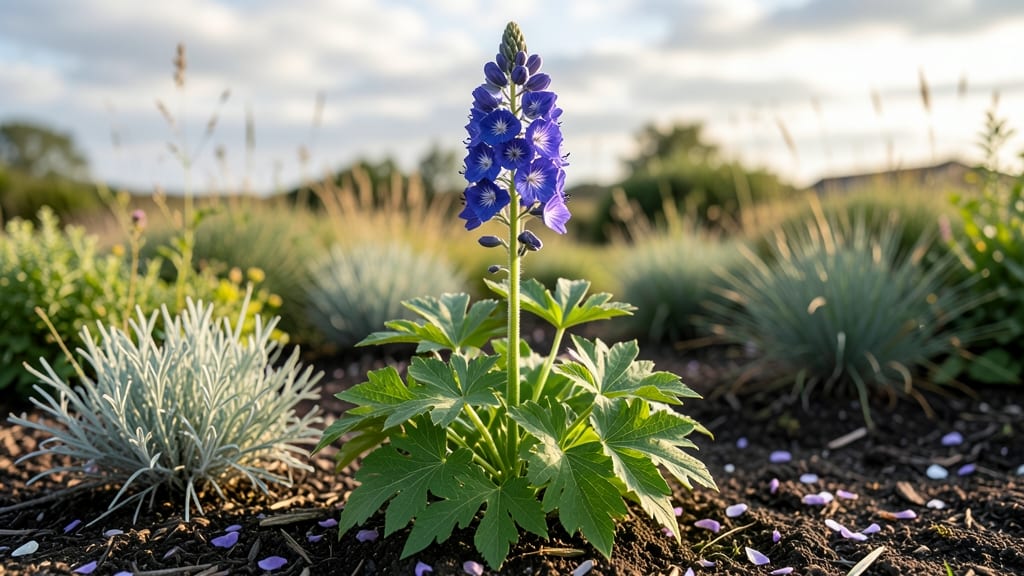
Larkspur blooms don't last all summer—most varieties flower primarily in spring through early summer (May–July) before fading, though some late-season types may extend blooms into August. Deadheading spent blooms can encourage reblooming in select cultivars, but continuous summer flowering is uncommon without targeted care.
Larkspur's flowering cycle is tightly linked to its natural growth patterns.
Most varieties are cool-season plants that respond to spring's lengthening days by producing vibrant blooms, then enter dormancy as temperatures rise. 🌸 The few late-season types that extend into August do so because they're bred for slightly different climate tolerances, but even these won't provide continuous blooms throughout summer.
What's interesting is how deadheading works—by removing faded flowers, you're actually signaling the plant to redirect energy toward new growth, which can sometimes trigger a second, smaller flush of blooms in certain varieties.
For gardeners hoping to extend the display, soil health plays a surprisingly large role. Larkspur thrives in well-draining soil with consistent moisture but hates soggy conditions.
I've found that adding compost before planting gives them the nutrients they need to push out more blooms, while regular deadheading keeps the plant focused on producing flowers rather than seeds.
The key is balancing these techniques with the plant's natural rhythms—you can't force larkspur to bloom indefinitely, but you can certainly make its seasonal display last longer than you might expect.
💡 In This Article
- Larkspur Bloom Seasons by Variety: Annual vs Perennial Differences
- Extending Larkspur Blooms: Pruning, Deadheading, and Soil Tips
Larkspur bloom seasons by variety: annual vs perennial differences
Larkspur's flowering timeline varies dramatically between annual and perennial varieties due to their fundamental growth cycles. Annual larkspurs like Consul Mixed or Giant Imperial complete their entire life cycle in one season, typically blooming from late spring through early summer (May–July) before setting seed and dying.
These varieties are bred to maximize spring blooms, as they won't return the following year.
Perennial types, such as Rocky Mountain Larkspur or Delphinium hybrid relatives, have a different strategy—they store energy in their roots and may produce staggered blooms over multiple years, though their peak flowering still occurs in spring.
The biological trigger for blooming lies in photoperiodism—the plant's response to daylight length. Larkspur begins flowering when days exceed 14-16 hours of light, which typically occurs in late spring. As summer progresses and days shorten again, most varieties enter a natural dormancy phase.
This is why you'll rarely see larkspur blooming in July or August unless you're growing late-season cultivars like Blue Lagoon, which has been bred to tolerate slightly warmer temperatures and extended daylight.
The trade-off is that these late bloomers often produce fewer flowers and may require more consistent moisture to perform well.
Climate plays a surprising role in extending blooming periods. In cooler northern regions, where summer temperatures stay below 75°F, larkspur may continue producing blooms into early August because the heat stress that triggers dormancy in warmer climates never materializes.
I've observed this firsthand in garden trials—larkspur grown in USDA Zone 5 often outlasts its southern counterparts by 2-3 weeks. The key factor is the plant's ability to maintain active growth without experiencing the heat shock that signals it's time to conserve energy for seed production.
Daylight hours also explain why larkspur rarely blooms in late summer or fall. As days shorten below 12 hours (typically after mid-August), the plant's internal clock shifts into survival mode, redirecting energy toward root development rather than flower production.
This is a hardwired survival mechanism—larkspur evolved in temperate regions where late-season blooms would be wasted energy with no chance of pollination before winter. Even with perfect care, you won't see continuous blooms because the plant's biology is programmed to follow this seasonal rhythm.
Here's what this means for gardeners: If you're growing annual larkspur, plan your planting schedule to ensure blooms appear when you want them—typically 8-10 weeks before your first frost date for spring displays. For perennials, focus on protecting them from summer heat stress, which can be as damaging as drought.
Mulching with 2-3 inches of organic matter helps maintain even soil temperatures and moisture levels, giving the plant the best chance to produce a second, smaller flush of blooms in late summer.
One fascinating exception is Alpine Larkspur varieties, which naturally bloom in early summer but can produce a second, smaller flush in fall if given ideal conditions. These high-altitude natives have adapted to shorter growing seasons and can take advantage of cooler fall temperatures.
The lesson here is that while most larkspur won't bloom all summer, understanding these variety-specific patterns lets you choose plants that align with your seasonal goals—whether you want dramatic spring displays or extended late-season interest.