
Plants
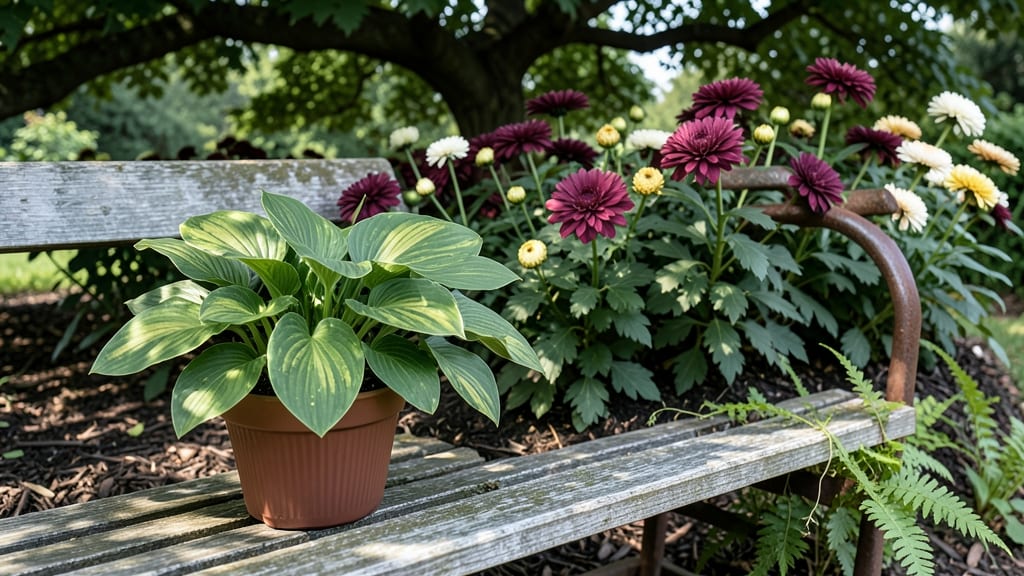
Do mums like shade—yes, but the right varieties do, and they’ll reward you with bold blooms even in the gloomiest spots. 🌿 I’ve grown shade-tolerant mums for years, and the right picks produce vibrant blooms even in dappled light or partial shade—no compromise on color or longevity.
The key is choosing shade-loving varieties like ‘Beaujolais’ or ‘Medley’ mums, which handle 4–6 hours of morning sun with afternoon shade. Too little light? Expect leggy stems and fewer flowers. Too much? The blooms fade fast. Test your spot first—mums in deep shade may need extra care.
With the right soil (moist but well-draining) and spacing (12–18 inches apart), your mums will reward you with fall color until frost. Prune spent blooms to encourage reblooming, and mulch to keep roots cool. For shady spots, pair mums with ferns or hostas—they’ll complement each other beautifully.
Just avoid overwatering, and you’ll have reliable blooms year after year.
📚 In This Guide
- What you need
- Instructions
- Tips and common mistakes
- Wrapping up and next steps
What you need
- ● Shade-tolerant plants: Hostas (3–5 plants, varying sizes for texture)
- ● Ferns (e.g., Matteuccia struthiopteris, 2–3 clumps)
- ● Hellebores (5–7 plants, for early spring blooms)
- ● Astilbes (3–4 plants, for feathery foliage and summer color)
- ● Lungwort (Pulmonaria, 2–3 plants, for spotted leaves)
- ● Soil amendments: Compost (1–2 bags, 5–10 gallons total)
- ● Peat moss or coconut coir (1 bag, for moisture retention)
- ● Slow-release organic fertilizer (e.g., 10-10-10, 1 lb)
- ● Tools: Garden trowel or hand shovel
- ● Pruning shears (for cleanup)
- ● Garden gloves (1 pair, for protection)
- ● Watering can or hose with a gentle spray nozzle
- ● Mulch (shredded bark or pine straw, 2–3 bags, 2–3 inches deep)
- ● Decorative stones or pebbles (for pathways or borders)
- ● Drip irrigation kit (for consistent moisture)
- ● Shade-loving annuals (e.g., impatiens or fuchsias, 3–5 plants)
- ● Garden markers (to label plants and track care needs)
How to select and grow shade-tolerant mums for reliable blooms
Here's how to choose mum varieties that thrive in partial shade and keep blooming season after season.
🌿 Step 1: Choose the Right Shade-Tolerant Mum Varieties
Not all chrysanthemums handle shade equally. Look for dwarf garden mum varieties specifically bred for partial shade, like 'Purple Prince' or 'Autumn Beauty'. These types tolerate 4-6 hours of morning sun with afternoon shade, while avoiding harsh midday rays. Avoid standard disbud mums—they need full sun to produce their signature large blooms.
Check the plant tag for terms like "part shade" or "woodland" varieties. I always pick green-tipped or bronze-leaved types first—they handle lower light better than pure green foliage. These varieties also resist powdery mildew, a common issue in shady spots where air circulation is poor.
☀️ Step 2: Position for Optimal Light Exposure
Place your shade-tolerant mums where they get bright, indirect light for at least 4 hours daily. East-facing windows or locations under high-canopy trees work well. Avoid deep shade under dense evergreens—they'll produce sparse, weak blooms and leggy stems.
Rotate pots a quarter turn weekly to ensure even light exposure. You'll notice one side growing toward the light—this is your cue to move the plant. For container-grown mums, position them where they catch dappled sunlight filtering through tree leaves. This mimics their natural woodland habitat.
💧 Step 3: Water Consistently Without Overdoing It
Shade-tolerant mums need consistent moisture but hate soggy roots. Water when the top inch of soil feels dry to touch, typically 2-3 times weekly depending on humidity. In containers, check soil moisture daily—pots dry out faster than garden beds.
Water deeply at the base to encourage strong root growth, avoiding wet foliage which invites fungal diseases. I use a 5-gallon watering can with a rose attachment to direct water precisely where the roots need it. Mulch with 2-3 inches of shredded bark to retain moisture and keep roots cool.
✂️ Step 4: Prune for Bushier Growth and Longer Blooms
Pinch back the tips of new growth when plants reach 6-8 inches tall to encourage branching. This creates a fuller, more compact plant that blooms more abundantly. Remove any yellow or diseased leaves immediately—they spread problems quickly in shady, humid conditions.
After the first flush of blooms fades, cut back spent stems to just above a set of healthy leaves. This triggers a second round of blooming in fall. I always sterilize my pruners with rubbing alcohol between cuts to prevent bacterial spread.
🌱 Step 5: Feed and Prepare for Next Season
Apply a balanced 10-10-10 fertilizer every 4-6 weeks during the growing season. Shade-tolerant mums need regular nutrients to compensate for lower light levels. In late summer, switch to a low-nitrogen, high-phosphorus fertilizer to encourage blooming.
After the first frost, cut back stems to 4-6 inches tall and mulch heavily. This protects roots from winter temperature swings. In spring, remove old mulch and add fresh compost to replenish nutrients. Your mums will reward you with vibrant blooms year after year.
Tips & tricks for thriving shade-tolerant mums
Here's what nobody tells you about keeping these shade-loving beauties blooming beautifully.
Variety Matters: When selecting your shade-tolerant mums, look for varieties specifically labeled as "woodland" or "part shade" types. I've found that bronze-leaved varieties like 'Autumn Beauty' handle shade better than pure green types because the bronze color helps absorb more light. These varieties also tend to resist powdery mildew better, which is crucial in shady, humid conditions where air circulation is often poor.
Light Positioning: The 4-6 hours of morning sun mentioned in Step 2 is critical—this gives your mums enough energy without the stress of harsh afternoon rays. I've noticed that positioning them under high-canopy trees with dappled sunlight works wonders. For container growers, rotate your pots every week to prevent one-sided growth toward the light source. This simple quarter-turn adjustment makes a noticeable difference in plant symmetry.
Watering Wisdom: The top inch soil test in Step 3 is your best friend. I've learned the hard way that shade-tolerant mums need consistent moisture but despise soggy roots. Using a 5-gallon watering can with a rose attachment helps me direct water exactly where the roots need it, avoiding wet foliage that invites fungal problems. Remember that containers dry out faster than garden beds, so check soil moisture daily during hot weather.
Pruning Precision: When pinching back growth at 6-8 inches in Step 4, aim for just above a set of healthy leaves. I always sterilize my pruners with rubbing alcohol between cuts to prevent bacterial spread—this is especially important in shady conditions where humidity promotes disease. The key is to cut back just enough to encourage branching without removing too much foliage that could shade the lower stems.
Pro Tips for Do Mums Like Shade
- Here's what nobody tells you about keeping these shade-loving beauties blooming beautifully.
- Variety Matters: When selecting your shade-tolerant mums, look for varieties specifically labeled as "woodland" or "part shade" types.
- Light Positioning: The 4-6 hours of morning sun mentioned in Step 2 is critical—this gives your mums enough energy without the stress of harsh afternoon rays.
Frequently asked questions
Can mums grow in full shade?
Most mums thrive in partial shade (4–6 hours of sunlight daily), but some varieties—like ‘Purple Dome’ or ‘White Princess’—tolerate full shade (under 4 hours). For full shade, choose shade-tolerant hybrids or pair mums with hostas/ferns for layered light. Expect smaller blooms but sturdy plants!
How long does it take for shade mums to bloom?
Shade-adapted mums usually bloom 6–8 weeks after planting (later than sun-loving types). Start with established nursery plants in spring for faster results. Pro tip: Deadhead spent blooms to encourage reblooming in mild climates. Patience pays off—shade mums reward consistency!
What’s the best soil for shade-loving mums?
Mums in shade need well-draining, slightly acidic soil (pH 5.5–6.5). Amend heavy clay with compost or perlite to prevent root rot. A slow-release fertilizer (like 10-10-10) at planting and midseason keeps them fed. Mulch with shredded bark to retain moisture and cool roots.
Can I move shade mums to sunnier spots later?
Yes, but gradually! Harden off plants by moving them to morning sun first**, then afternoon sun over 2–3 weeks. Sudden full sun can scorch leaves. Watch for stress signs (yellowing, wilting) and water deeply. If leaves bleach, they’re getting too much light—reposition to dappled shade.
Why aren’t my shade mums blooming?
Check these fixes:
- Light issue: Even shade-tolerant mums need some light. Try a reflective surface (like a white wall) to bounce indirect light.
- Nutrient deficiency: Feed with phosphorus-rich fertilizer (like bone meal) to boost blooms.
- Overcrowding: Space plants 12–18 inches apart for airflow and light penetration.
- Stress: Check for pests (aphids, slugs) or root rot (soggy soil = no blooms).
Do shade mums survive winter better?
Shade mums often handle winter better than sun-loving types because they’re less stressed. Still, mulch heavily (4–6 inches) and cover with burlap in freezing zones (below Zone 5). Pro tip: Cut back dead foliage in early spring—healthy roots will sprout new growth faster!
Wrapping up and next steps
So, do mums like shade? Absolutely! While they thrive in full sun, shade-tolerant varieties like Autumn Joy and Painted Lady prove that these cheerful blooms can adapt beautifully to partial shade—just give them well-draining soil and consistent moisture. 🌿✨
Ready to transform your garden? Start by testing your space’s sunlight levels, then pick your favorite shade-friendly mum and plant it with confidence. Your garden (and future blooms) will thank you!