
Blooming
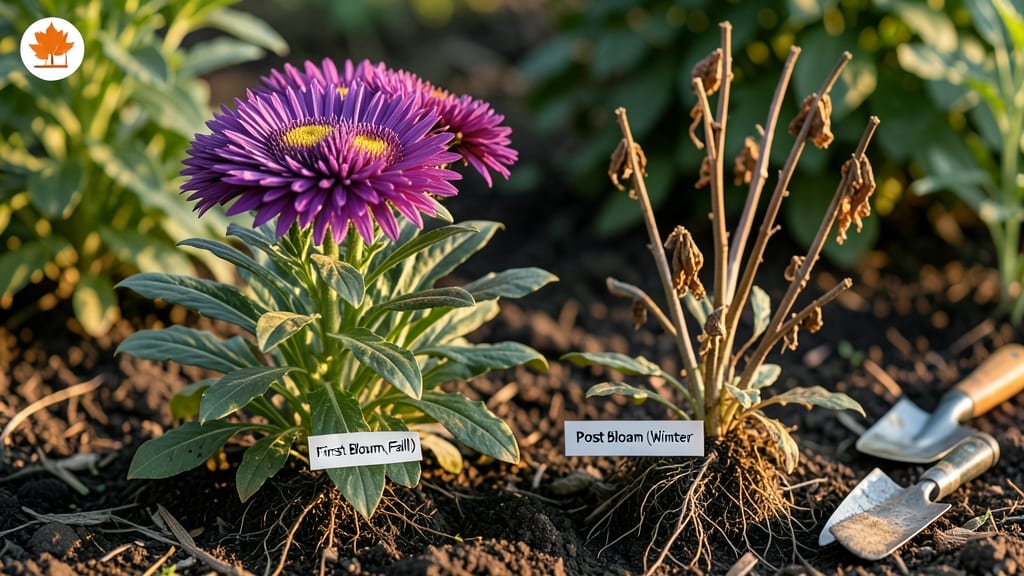
Whether mums bloom only once depends on their type—perennial varieties often rebloom yearly with proper care, while annuals typically flower once before fading. Cold-hardy perennials benefit from winter dormancy and strategic spring pruning to trigger repeat blooms.
Not all mums follow the same blooming schedule, and understanding the difference between annual and perennial types is key. 🌸 Perennial mums store energy in their roots during winter, allowing them to push out new flowers the following season when conditions are right.
Annual mums, on the other hand, complete their entire life cycle in one growing season, so their blooms are their final act. The secret to encouraging repeat blooms in perennials lies in mimicking their natural growth patterns—think of it like giving them a seasonal reset button.
For perennials, timing matters most. After their first flush of blooms, a light pruning in early spring helps stimulate new growth. 🌿 Consistent watering and balanced fertilization also play a role—think of it as feeding them just enough to keep blooming without overloading them.
Annuals, while shorter-lived, often produce vibrant blooms in their single season, making them perfect for quick color bursts in gardens.
💡 In This Article
- Perennial vs Annual Mums: Why Bloom Cycles Differ
- Tips to Encourage Repeat Blooming in Perennial Mums
Perennial vs annual mums: why bloom cycles differ
The core difference between annual and perennial mums comes down to their biological lifespans and energy storage mechanisms. Annual chrysanthemums complete their entire life cycle in one growing season, typically blooming profusely for 8-12 weeks before dying off when temperatures drop.
Their roots don't store energy for future growth—they're designed to expend everything in that single season. Perennial mums, however, have evolved to survive harsh winters by storing carbohydrates in their roots, which fuels new growth and blooms each spring.
Daylight exposure triggers this cycle. Most perennial mums need 10-14 hours of daylight to initiate flowering, a process called photoperiodism. When days shorten in fall, they detect this change and prepare for dormancy.
Cold temperatures then act as a reset button—exposure to 30-40°F nights for 4-6 weeks breaks dormancy in spring, prompting new shoots. Annuals lack this cold requirement; they bloom based purely on temperature and daylight without needing winter dormancy. 🌱
Root health determines reblooming potential. Perennial mums develop extensive root systems that can reach 12-18 inches deep, allowing them to access moisture and nutrients year-round. When you see perennials rebloom, it's these roots working overtime—stored energy converts to new stems and flowers.
Annuals, with their shallow roots, can't sustain multiple blooming cycles because their energy reserves are too limited. Think of it like comparing a marathon runner (perennial) to a sprinter (annual).
Soil nutrition plays a surprising role in bloom cycles. Perennials need well-draining soil with pH 6.0-7.0 to maximize root development. Too much nitrogen early in the season leads to leafy growth at the expense of blooms, while phosphorus and potassium support flower production.
Annuals, being short-lived, can tolerate poorer soil but still require balanced feeding to maximize their single blooming season. The right soil mix acts like premium fuel for perennials' reblooming engine.
Climate matters too. In warmer zones (USDA 8-10), perennials may bloom sporadically year-round if not given proper winter rest. In colder climates (USDA 3-7), the winter chill is essential to break dormancy. Without it, perennials might produce fewer blooms or none at all.
This is why gardeners in mild climates often need to simulate winter conditions by moving plants to cooler spots or using chilling treatments.
Here's a quick comparison:
- Annual mums: One-time bloomers, complete life cycle in 90-120 days, no winter survival mechanisms
- Perennial mums: Rebloom yearly with proper care, store energy in roots, require winter dormancy
- Daylight needs: Both need 10+ hours/day for blooming, but perennials use daylight changes as seasonal cues
- Root depth: Annuals 6-12 inches, perennials 12-18 inches or deeper