
Plants
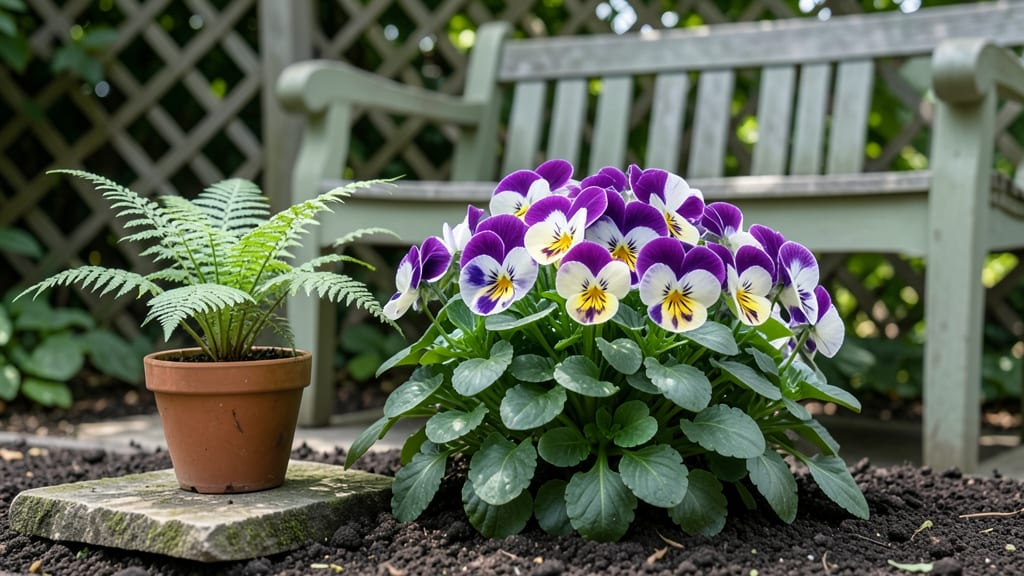
Do pansies like shade—because they absolutely do—transforming dull patches into cheerful bursts of color where others falter.
If you’ve ever wondered whether pansies can survive in low-light gardens, the answer is a resounding yes. These hardy blooms not only tolerate shade but often perform better in it, producing longer-lasting flowers and fewer pests than sun-starved alternatives.
While they prefer partial shade (3–6 hours of sunlight), some varieties even flourish in full shade, making them perfect for under trees or north-facing beds. The key is choosing the right cultivar and giving them well-draining soil to prevent leggy growth.
In this guide, I’ll break down the best shade-tolerant pansy varieties, how to maximize their blooms in dim spots, and the simple care tricks that keep them flourishing all season.
 Best Window Placement
Why pansies thrive in shade: light requirements explained
If you’ve ever wondered whether pansies can thrive in shady spots—spoiler: they love it—you’re not alone. Many gardeners assume these cheerful blooms need full sun, but pansies are shade-tolerant champions, especially compared to other flowers.
Their secret? A unique photosynthetic efficiency that lets them thrive where others fade. Let’s break down why pansies love shade and how to maximize their blooms in low-light gardens.
The key to understanding pansies’ shade tolerance lies in their photosynthetic pathway. Unlike sun-loving plants that rely on intense light, pansies use a more efficient process called C3 photosynthesis, which works well in cooler, shaded conditions.
This adaptation allows them to grow vigorously in partial shade (3-6 hours of sunlight daily) or even full shade (less than 3 hours), though blooms may be slightly smaller. Their natural habitat in temperate climates further reinforces their ability to thrive where other flowers struggle.
Common misconception alert: Many gardeners think pansies need full sun to bloom prolifically. While they’ll produce more flowers in partial shade with morning sun, they won’t bolt (flower prematurely) like sun-loving annuals. This makes them perfect for woodland gardens, under trees, or north-facing beds where other flowers wilt. Their ability to handle shade without sacrificing color or growth is what sets them apart.
| Light Condition | Bloom Quantity | Growth Habit | Best Varieties |
|---|---|---|---|
| Full Sun (6+ hours) | Very High (but risk of bolting) | Compact, may need staking | 'Majestic Giant', 'Ice King' |
| Partial Shade (3-6 hours) | High (optimal for blooms) | Vigorous, bushy | 'Cool Wave', 'Soraya' |
| Full Shade (<3 hours) | Moderate (smaller blooms) | Leggy, may need pruning | 'Eureka', 'Matrix' |
For gardeners with full shade gardens, pansies are one of the few annuals that won’t just survive—they’ll thrive and bloom. The trade-off? You might see slightly smaller flowers and taller stems (a condition called "legginess").
To combat this, choose shade-tolerant varieties like 'Cool Wave Purple' or 'Soraya Purple', which are bred to handle low light better than standard pansies. These varieties also produce darker, more vibrant blooms in shade, making them stand out in dimmer corners.
If you’re planting pansies in partial shade, aim for morning sunlight and afternoon shade. This balance prevents the soil from drying out too quickly while giving them enough light to produce abundant blooms.
A trick I use is placing them near east-facing windows or under deciduous trees, where they get gentle morning rays but escape the harsh afternoon sun. This setup mimics their natural preference for dappled light, which is ideal for their growth.
One of the biggest mistakes gardeners make is assuming that more sun equals better blooms for pansies. In reality, too much direct sunlight can stress them, leading to faded petals or even heat-induced bolting. Pansies prefer cooler temperatures, and shade helps regulate their environment.
In my own garden, I’ve seen pansies in full sun produce fewer, smaller blooms compared to those in partial shade, which stayed vibrant and prolific all season.
To maximize pansy blooms in shade, focus on soil fertility and moisture. Shady areas often have cooler, denser soil, so amend with compost or well-rotted manure to improve drainage and nutrient availability. I also recommend mulching with straw or shredded leaves to retain moisture and keep roots cool.
This combination of rich soil and consistent watering ensures your pansies won’t become leggy or sparse, even in the darkest corners of your garden.
Another pro tip: Deadhead spent blooms regularly, even in shade. This encourages your pansies to produce more flowers instead of focusing energy on seed production. In low-light conditions, they rely even more on this practice to stay bushy and colorful.
I like to do this on a weekly basis during peak blooming season (spring and fall) to keep my shade pansies looking their best.
For gardeners in USDA Zones 3-7, pansies are a year-round shade solution. They handle cool fall and spring temperatures beautifully and can even overwinter in mild climates.
In my Zone 6 garden, I’ve seen pansies planted in fall continue blooming until a hard frost, then return the following spring. This makes them a low-maintenance, high-reward choice for shaded areas where other annuals fail.
If you’re still unsure about your garden’s light conditions, take a simple test: Observe how other plants grow in the area. If ferns, hostas, or impatiens thrive, your pansies will too. These shade-loving companions are a great sign that pansies will flourish in your space.
With the right variety and care, you’ll have a sea of color in even the dimmest spots—proof that shade gardens can be just as stunning as sunny ones.
5 Best shade-loving pansy varieties for dark gardens
If your garden has shady spots where sunlight barely reaches, don’t despair—pansies thrive in shade! These cheerful bloomers not only tolerate low light but often produce brighter colors and longer-lasting flowers in shaded areas.
The key is choosing the right shade-tolerant varieties that are bred to perform well under 3-6 hours of indirect sunlight daily. Let’s explore my top 5 shade-loving pansy varieties that will transform your dark garden into a vibrant display.
One common misconception is that pansies need full sun, but the truth is they’re perfect for partial to full shade gardens. These varieties are specifically developed to maximize bloom production in low-light conditions, making them ideal for woodland gardens, under trees, or north-facing beds.
Whether you’re a beginner or a seasoned gardener, these shade-proof pansies will reward you with bold colors and resilience all season long.
| Variety | Bloom Color | Height (inches) | Shade Tolerance | Care Tips |
|---|---|---|---|---|
| Cool Wave Purple | Deep purple with yellow centers | 4-6 | Excellent in full shade | Deadhead faded blooms; mulch to retain moisture |
| Soraya Purple | Rich purple with black centers | 5-7 | Thrives in partial shade | Water at soil level; avoid wetting foliage |
| Majestic Giant | Multi-colored (blue, yellow, purple) | 6-8 | Tolerates deep shade | Fertilize lightly in spring; stake tall stems |
| Moonlight Series | Soft white with yellow throats | 4-5 | Ideal for full shade | Plant in well-draining soil; avoid overwatering |
| Ice Follies | Pure white with purple centers | 3-4 | Best for deep shade | Deadhead regularly; mulch to protect roots |
Starting with Cool Wave Purple, this variety is a shade superstar with deep purple blooms that stand out against dark foliage or mulch. It’s perfect for woodland gardens or areas under deciduous trees where light is limited.
To keep it thriving, I recommend deadheading spent blooms to encourage continuous flowering and mulching around the base to retain moisture in shaded soil.
Soraya Purple is another shade-tolerant gem with rich, velvety purple flowers that contrast beautifully in low-light spaces. This variety handles partial shade exceptionally well, making it ideal for north-facing borders or under eaves. My pro tip? Water at the soil level rather than overhead to prevent fungal issues that can plague shade-loving plants.
If you’re looking for a statement-making variety, Majestic Giant delivers with its large, multi-colored blooms that resemble tiny orchids. These pansies tolerate deep shade better than most, but they do appreciate a light spring feeding to boost their energy.
For extra support, I stake the taller stems to prevent flopping in humid shade conditions.
For a soft, ethereal look, the Moonlight Series is a dream. These white pansies with yellow throats thrive in full shade and add a delicate contrast to darker garden areas.
To ensure their success, I plant them in well-draining soil and avoid overwatering, as shaded pansies are prone to root rot if soggy.
Finally, Ice Follies brings a cool, crisp aesthetic to shaded gardens with its pure white blooms