
Blooming
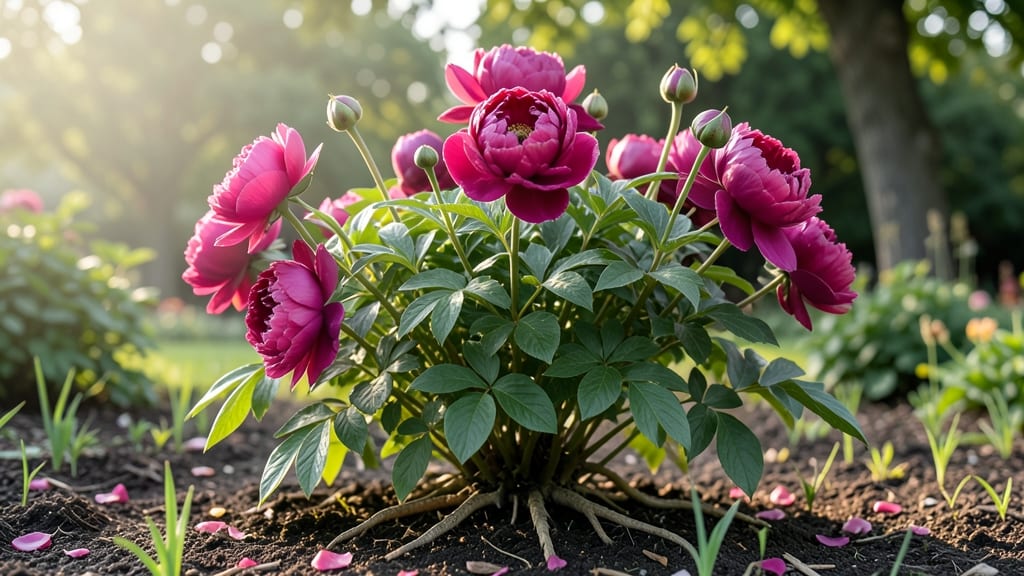
Peonies do not bloom all summer—they produce flowers for just 7–10 days annually, typically in late spring to early summer, depending on the variety and climate. Most types bloom once per year, though some reblooming cultivars may produce a second, smaller flush in late summer with proper care.
Peonies are famous for their brief but stunning floral displays, which is why gardeners often wonder why they don't keep blooming all season. 🌸 The truth is, most peonies need a period of dormancy to reset their biological clocks, and this cycle is tightly linked to seasonal changes.
Single-blooming varieties, which make up about 90% of peonies, rely on a combination of chill hours (typically 500–1,000 hours below 45°F) and increasing daylight to trigger their annual bloom.
Reblooming types, like 'Sarah Bernhardt' or 'Bowl of Beauty,' can produce a second round of flowers in late summer, but this requires careful garden maintenance—including proper pruning and fertilization—to encourage a second flush.
What sets peonies apart is their short but intense bloom window. Once they open, buds last only about a week before fading, making timing everything for gardeners who want to enjoy their full glory.
The key to extending their seasonal impact lies in choosing the right varieties for your climate and providing consistent care throughout the growing season.
💡 In This Article
- Peony Bloom Seasons by Variety: When and Why They Flower
- Extending Peony Bloom Time with Gardening Strategies
Peony bloom seasons by variety: when and why they flower
Peonies follow a strict biological rhythm tied to seasonal cues, primarily chill hours (prolonged exposure to temperatures between 32-45°F) and daylight length. Most varieties need 500-1,000 chill hours annually to trigger blooming, which explains why they typically flower in late spring (April-May in most climates).
The process begins when buds form in late summer/fall, but they remain dormant until winter's cold period signals it's time to bloom. 🌱 This explains why peonies planted in warm climates may struggle—they might not get enough chill hours to initiate flowering.
Single-blooming varieties, like the classic 'Sarah Bernhardt' or 'Kansas', produce their one spectacular display in late spring, with buds opening over 7-10 days before fading. The blooms themselves last about a week at peak beauty, though individual flowers may linger for up to two weeks if conditions are ideal.
Reblooming types, such as 'Bowl of Beauty' or 'Coral Charm', can produce a second, smaller flush in late summer (July-August) if given proper care, but this second bloom is typically 30-50% smaller than the spring display.
The 7-10 day bloom window isn't random—it's a survival mechanism. Peonies evolved to produce flowers during optimal pollination periods when bees are most active. Each bloom contains 5-10 stamens and a central cluster of pistils, designed to attract pollinators during this brief window. The trade-off?
This intense focus on a short bloom period means gardeners must be ready to enjoy them when they appear, as missed timing means missed beauty. 🌸 In warmer climates, some varieties may bloom slightly later (June), while in colder regions, blooming might occur in May.
Daylight length plays a crucial role too. As days lengthen in spring, peonies receive the photoperiod signal to transition from vegetative growth to flowering. This is why peonies planted in northern latitudes often bloom earlier than those in southern regions—longer daylight hours accelerate the process.
The bud formation stage (when buds develop but remain closed) typically lasts 4-6 weeks before opening, giving gardeners a window to anticipate the main bloom event.
Color also influences bloom timing slightly. Darker petaled varieties (like 'Kodak Pink') often bloom 2-3 days earlier than lighter ones (like 'Bartzella'), due to differences in pigment production that affect metabolic rates. This small variation means gardeners can create sequential blooming displays by planting multiple varieties.
The reblooming phenomenon in certain cultivars occurs because these plants have been selectively bred to respond to summer's shorter daylight periods and warmer temperatures, though this second bloom requires more energy and nutrients.