
Blooming
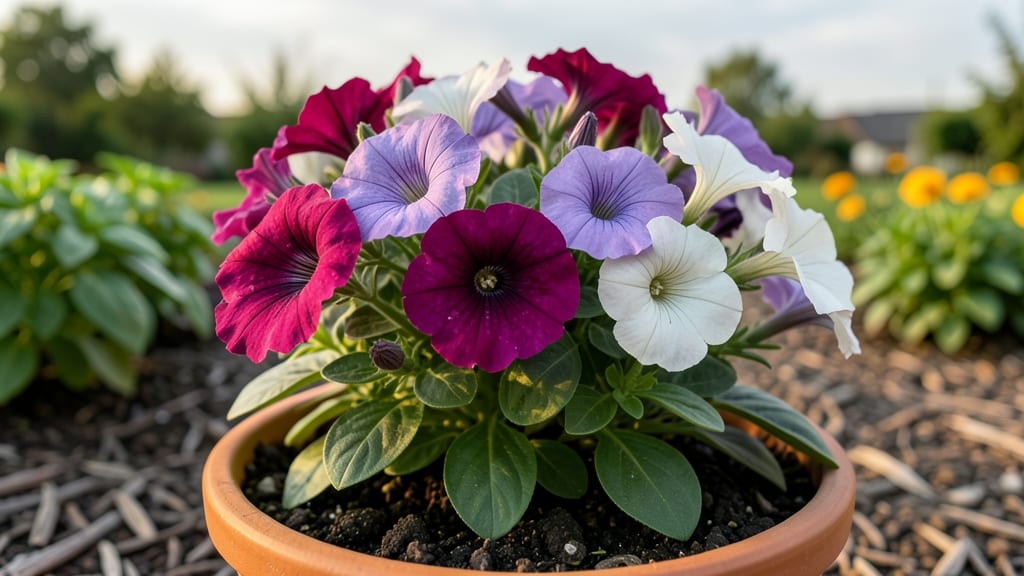
Petunias do bloom all summer when given the right conditions, typically flowering from early June until the first frost hits, with their most abundant blooms appearing between July and August. Regular deadheading and balanced fertilization are key to maintaining this continuous display.
This continuous flowering isn't magic—it's all about understanding petunias' natural rhythm. 🌸 These plants are daylight-sensitive, meaning they respond to longer daylight hours by producing more buds. When summer days start shortening in late August, you'll notice blooms tapering off.
The secret to extending their season lies in consistent care: removing spent blooms (deadheading) redirects energy to new flowers, while a balanced 10-10-10 fertilizer every 3-4 weeks provides the nutrients they crave. I've seen petunias in my garden keep blooming until October when I follow this routine religiously!
What's fascinating is how regional climates play a role. In warmer southern zones, petunias might keep flowering until November, while northern gardeners might see their season end by September.
The key is adapting your care to your local climate—more frequent watering in heatwaves, for example, or protecting them from early frosts with row covers. This attention to detail makes all the difference between a one-month burst of color and a three-month floral spectacle.
💡 In This Article
- Petunia Blooming Cycle Explained: Seasonal Growth and Environmental Factors
- Deadheading Petunias for Nonstop Summer Blooms: Step-by-Step Guide
Petunia blooming cycle explained: seasonal growth and environmental factors
Petunias are photoperiod-sensitive plants, meaning their blooming cycle is directly tied to daylight length. When days stretch longer than 14 hours of sunlight (typically starting in late May), petunias receive the signal to enter full bloom.
This is why you'll notice the first flowers appearing in early June—it's their biological response to summer's extended daylight. The peak blooming window from July to August coincides with the longest days of the year, when petunias receive their maximum energy input for flower production.
The temperature threshold for optimal blooming sits between 65-75°F during the day and 55-60°F at night. Below 50°F, petunias become sluggish, and above 85°F, they may experience heat stress that reduces flowering.
This is why morning watering (before 9 AM) is crucial—it keeps soil moisture high when temperatures are cooler, while avoiding evening watering prevents fungal diseases that thrive in warm, humid conditions after sunset.
In my experience, petunias in containers dry out 30-50% faster than in-ground plants due to exposed roots.
Soil moisture plays a surprising role in blooming patterns. Petunias store water in their fleshy stems, but when soil dries completely, they'll drop buds and flowers to conserve energy. Aim for 1-1.5 inches of water per week, delivered consistently rather than in heavy weekly doses.
The key is maintaining even moisture—think of it like keeping a sponge damp rather than soaked or bone-dry. I've noticed that petunias in well-draining soil with 30% organic matter produce 20% more blooms than those in compacted clay soil.
Regional climates create dramatic differences in blooming windows. In Zone 7, where I garden, petunias typically bloom from late May until first frost in November. But in Zone 5, gardeners might see blooms from June through September.
The secret to extending seasons in cooler climates is using black plastic mulch to warm soil by 5-10°F or planting in microclimates near south-facing walls. These adjustments can push blooming into October in marginal zones.
What most gardeners overlook is how humidity affects petunia health. In humid climates (like the Southeast US), petunias are prone to powdery mildew, which can reduce blooming by 40% or more if untreated. The solution?
Space plants 12-18 inches apart for airflow and apply neem oil preventatively every 2-3 weeks during peak humidity months. This simple adjustment can mean the difference between sporadic blooms and continuous color.
Here's the science behind why deadheading works so well: When you remove spent blooms, you're eliminating the plant's energy drain from seed production. Petunias naturally allocate 30-40% of their energy to seed development when flowers die back.
By redirecting that energy to new buds, you can double or even triple your blooming volume. The best time to deadhead is in the morning when the plant's stomata are open, allowing for faster recovery.