
Plants
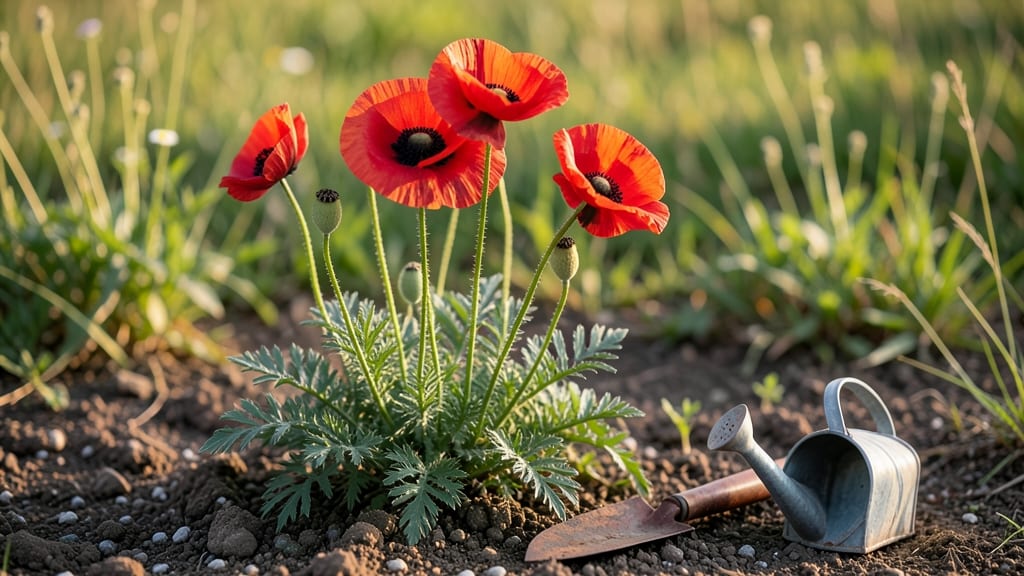
Poppies thrive in full sun, but they’ll tolerate partial shade—just expect fewer blooms. 🌻 I learned this the hard way when my first batch of Oriental poppies stretched like overcaffeinated toddlers, all skinny stems and no flowers.
The secret? At least 6 hours of direct sunlight daily, especially in cooler climates where shade feels more generous.
If your poppies look leggy or flop over, they’re begging for more light. In hot zones like Southern California, afternoon shade helps prevent wilting, but morning sun is non-negotiable. Even in cloudy Pacific Northwest summers, poppies reward full sun with bold, papery blooms that last weeks—something shade simply can’t match.
Watch for these clues: deep green leaves mean they’re happy; pale, sparse foliage means they’re struggling. In containers, rotate pots weekly so all sides get equal light. And here’s the kicker—poppies planted in partial shade might survive, but they’ll bloom like they’re holding back, saving their energy for next year.
Pro tip: If your yard has shady spots, try California poppies—they’re the most shade-tolerant variety, though they’ll still perform best with at least 4 hours of sun.
The key is balancing their love of light with your garden’s reality. Start with full sun, then adjust based on what your poppies tell you with their growth.
📚 In This Guide
- What you need
- Instructions
- Tips and common mistakes
- Wrapping up and next steps
What you need
- ● Poppy seeds or seedlings: Choose Papaver rhoeas (corn poppy), Papaver somniferum (opium poppy), or Eschscholzia californica (California poppy) based on your light preferences.
- ● Well-draining soil: A mix of garden soil + 20-30% compost or perlite/sand (1 part compost to 3 parts soil). Poppies hate soggy roots!
- ● Garden bed or containers: For sun-loving poppies: A 6-inch-deep bed with full sun (6+ hours/day).
- ● For shade-tolerant varieties: A partial shade spot (3-4 hours sun) with dappled light (e.g., under trees with sparse canopies).
- ● Watering can or hose: With a gentle spray nozzle (poppies dislike heavy water pressure).
- ○ Mulch (optional but helpful): Straw or shredded leaves (1-inch layer) to retain moisture and suppress weeds.
- ● Lightweight row cover: For seedlings in cooler climates (protects from frost while allowing sunlight).
- ● Soil pH test kit: Poppies prefer neutral to slightly alkaline soil (pH 6.0-7.5).
- ● Slow-release fertilizer: Balanced 10-10-10 (sprinkle lightly at planting time).
- ● Stakes or cages: For tall poppy varieties (e.g., Papaver orientale) to prevent flopping in wind.
How to position poppies for maximum blooms
Sunlight is everything for poppies—get this right, and you'll get bold, long-lasting blooms.
☀️ Step 1: Choose the Perfect Sun Exposure
Poppies thrive in full sun, which means at least 6-8 hours of direct sunlight daily. I always plant mine in south-facing beds where they get morning sun and afternoon light without afternoon shade. If you're in a hot climate, 6 hours of sun is the minimum—any less, and blooms will be sparse and short-lived.
Watch for leggy stems or pale leaves—these are signs your poppies aren't getting enough light. If you notice stems stretching toward the sun or leaves growing thin and sparse, move them to a sunnier spot immediately. Poppies are tough plants, but they won't tolerate shade well.
🌱 Step 2: Prepare the Soil for Sun-Loving Poppies
Poppies need well-draining soil to prevent root rot, especially in full sun where soil can dry out quickly. I mix in sand or perlite to loosen heavy garden soil before planting. The goal is soil that feels slightly gritty when dry but holds moisture without becoming soggy.
Test your soil by squeezing a handful—if it stays in a tight ball, add more sand or compost to improve drainage. Poppies hate soggy roots, so even in full sun, ensure water drains away within 24 hours of watering. A quick way to check is to dig a small hole, fill it with water, and see how fast it drains.
💧 Step 3: Water Deeply but Infrequently
Once established, poppies are drought-tolerant, but they need deep watering when young. Water seedlings once a week until they reach 6 inches tall, soaking the soil to 6 inches deep. You'll know it's right when water runs out the drainage holes if you're using containers.
After that, let the soil dry out between waterings—poppies grow best when they experience some dryness. Overwatering in full sun leads to weak stems and fewer blooms. I water mine in the early morning to give leaves time to dry before evening, which prevents fungal issues.
✂️ Step 4: Deadhead and Maintain for Continuous Blooms
To keep poppies flowering all season, deadhead spent blooms by pinching them off at the base. I do this every 2-3 days during peak bloom time—it encourages the plant to produce more flowers. Poppies are annuals, so they'll bloom heavily but won't return unless you replant.
If your poppies start to look tired by late summer, cut them back by half their height to rejuvenate growth. This isn't always necessary, but it can extend the blooming season in cooler climates. Just avoid heavy pruning in extreme heat—poppies prefer to focus on blooms rather than regrowth.
Tips & tricks for perfect poppy placement
Here's what I've learned after watching poppies thrive—and fail—in my garden over the years.
Sunlight Strategy: In Step 1, when choosing your spot, remember that poppies need that 6-8 hours of direct sun to truly shine. I've planted them in partial shade thinking I was being kind, only to watch them stretch toward any available light like starving puppies. If your garden has afternoon shade from trees, consider planting them on the north side of structures instead—morning sun is better than nothing at all.
Soil Test Hack: For Step 2, don't just guess about drainage—do the squeeze test right before planting. Grab a handful of moist soil and squeeze hard. If it crumbles easily, you're good. If it stays in a tight ball, mix in 1 part sand or perlite to 3 parts soil. I've seen poppies drown in heavy clay soil that looked perfectly fine until it rained.
Watering Wisdom: When following Step 3, the key is patience. Those first 6 inches of deep watering should happen only when the top inch of soil feels dry. I used to water every few days, thinking more was better—until I noticed my poppies developing weak stems. Now I wait until the soil is bone-dry before watering again, and my plants reward me with stronger growth.
Deadheading Discipline: In Step 4, I used to skip deadheading because it sounded like extra work. Then I realized I was missing out on the secret to continuous blooms. That 2-3 day schedule makes all the difference—just pinch off spent blooms at the base with your fingers. It takes less than a minute per plant and keeps them flowering for weeks longer than I ever expected.
Pro Tips for Do Poppies Like Sun Or Shade
- Here's what I've learned after watching poppies thrive—and fail—in my garden over the years.
- Sunlight Strategy: In Step 1, when choosing your spot, remember that poppies need that 6-8 hours of direct sun to truly shine.
- Soil Test Hack: For Step 2, don't just guess about drainage—do the squeeze test right before planting.
Frequently asked questions
Got questions about keeping your poppies happy in the sun or shade? You’re not alone! Here are some of the most common queries—and their answers—to help you grow stunning blooms with ease.
Do poppies need full sun to bloom?
Most poppies—like California poppies and Oriental poppies—thrive in full sun (6+ hours daily). However, they can tolerate partial shade (4–6 hours) in hot climates, though blooms may be fewer. If growing in shade, prioritize well-draining soil to prevent root rot.
How long do poppies take to adjust to sun or shade changes?
Poppies are resilient! If moving them to more sun, monitor for 2–3 weeks for stress signs (wilting, yellowing). Gradually increase exposure to avoid shock. Shade transitions are gentler—just ensure they still get some sunlight daily.
Can poppies grow in deep shade?
Not ideal! Deep shade (<3 hours of sun) weakens poppies, leading to leggy stems and sparse flowers. If your garden is shady, opt for shade-tolerant alternatives like bleeding hearts or foxgloves instead.
Will poppies burn in too much sun?
Poppies are drought-tolerant but can scorch in intense, direct sun without moisture. Water deeply 1–2 times per week during dry spells, and mulch to retain soil moisture. Avoid overhead watering to prevent fungal issues.
What’s the best soil mix for sun-loving poppies?
Poppies prefer well-draining, sandy loam with a pH of 6.0–7.5. Amend heavy clay with compost or perlite. Pro tip: Mix in a handful of bone meal at planting for phosphorus, which boosts blooms!
Wrapping up and next steps
So, do poppies prefer sun or shade? The answer is clear: bright, open sunlight is their happy place! 🌞 Whether you’re growing California poppies or opium poppies, giving them at least 6–8 hours of direct light daily will reward you with vibrant blooms and healthy growth.
Just remember—well-drained soil and minimal shade are key to avoiding leggy stems or sparse flowers.
Ready to transform your garden? Start by choosing the perfect sunny spot, prep the soil, and plant your poppies with confidence. Watch them thrive—and enjoy the show! 🌸