
Blooming
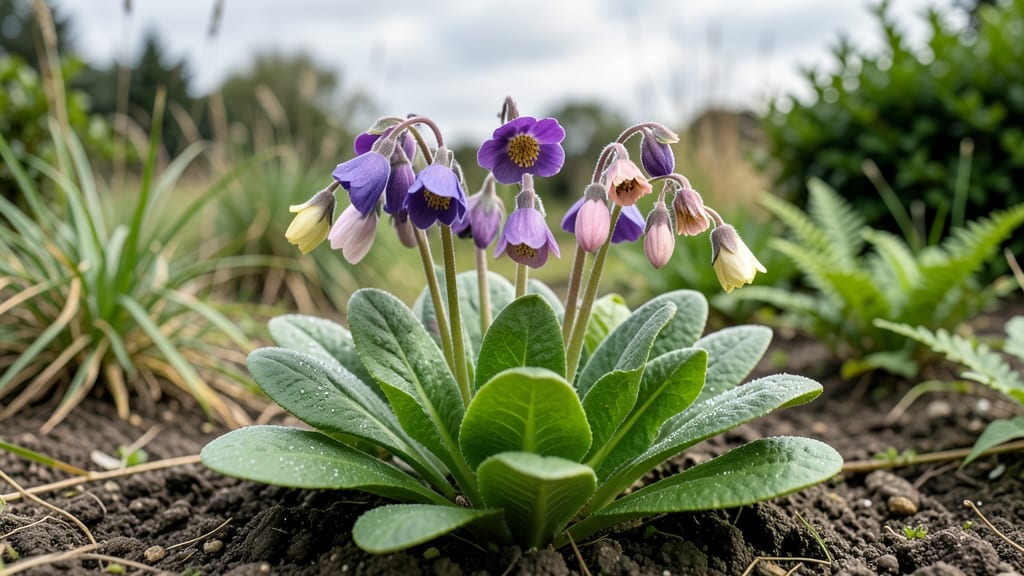
Primroses won't bloom all summer—those vibrant clusters are cool-season stars that fade when heat arrives. 🌸 I learned this the hard way after expecting my primroses to keep up their show through July, only to watch them wilt under the midday sun.
The secret to extending their season isn't forcing them to bloom in summer heat but working with their natural rhythm.
Most primroses shine brightest in spring, with some varieties offering a second, lighter show in mild autumns. The key to prolonging their charm lies in deadheading—snipping spent blooms keeps them tidy and encourages new flowers to form before summer's heat fully sets in.
Choose reblooming varieties like 'Polyanthus' or 'Cowslip' for the best chance of extended color.
With the right care, you can coax a few extra weeks of blooms by providing afternoon shade and consistent moisture. Your garden won't have nonstop summer flowers, but you'll enjoy primroses' delicate beauty for longer than you might expect.
The trade-off? Fewer blooms in peak heat, but more vibrant displays when temperatures dip again.
For summer-long color, pair primroses with heat-loving perennials like coneflowers or black-eyed Susans. That way, your garden stays lively even when primroses take their seasonal break. The contrast between cool-season charm and summer boldness creates a dynamic, ever-changing display all year round.
📚 In This Guide
- What you need
- Instructions
- Tips and common mistakes
- Wrapping up and next steps
What you need
- ● Primrose plants: Choose Primula varieties like Primula vulgaris (English primrose) or Primula denticulata (cowslip). Opt for healthy, established plants (3–6 inches tall) from a nursery or garden center.
- ● Well-draining potting mix: 2–3 gallons of a high-quality, peat-free mix (e.g., Miracle-Gro Potting Mix or FoxFarm Ocean Forest). Primroses hate soggy roots!
- ● Containers or garden bed: Containers: 6–12-inch pots with drainage holes (terracotta or plastic). 1 pot per plant is ideal.
- ● Garden beds: A spot with partial shade (4–6 hours of morning sun) and rich, moist (but not waterlogged) soil.
- ● Pruning shears or sharp scissors: Clean, sterilized tools to snip spent blooms. Avoid dull blades!
- ● Watering can or hose with a gentle spray nozzle: For consistent moisture without over-saturating.
- ○ Balanced fertilizer (10-10-10 or 20-20-20): 1–2 tbsp per plant (follow label instructions). Optional but recommended for container plants.
- ● Garden gloves: Protect your hands from soil and thorns (some primroses have fuzzy leaves!).
- ● Mulch (e.g., shredded bark or compost): 1–2 inches to retain moisture and suppress weeds in garden beds.
- ● Slow-release fertilizer spikes: For hassle-free nutrition (1 spike per container).
- ● Spray bottle with water: For misting leaves on hot days to prevent stress.
- ● Garden journal: Track bloom cycles, deadheading dates, and plant responses for future reference!
- ● Cool-season timing: Plant primroses in early spring (March–April) or fall (September–October) for best results. They hate summer heat!
- ● Patience: Primroses are cool-weather bloomers. Expect spring and fall peaks, but deadheading can coax extra blooms into summer.
- ● Consistency: Water regularly (keep soil evenly moist) and deadhead weekly during bloom time.
How to extend primrose blooms through summer with deadheading hacks
Primroses thrive in cool weather but can keep blooming all summer with the right care—here's how to coax extra flowers.
🌿 Step 1: Understand Primrose's Natural Blooming Cycle
Primroses are cool-season perennials that naturally slow bloom production as temperatures rise above 75°F. Their flowers respond to temperature shifts rather than daylight hours, which is why they often fade in peak summer heat. I've found that varieties like Primula denticulata or Primula obconica handle heat better than others, but all benefit from strategic care.
Watch for the first signs of stress: leaves may yellow or flowers drop prematurely when daytime highs climb above 80°F. This is your cue to adjust watering and shading rather than expecting continuous blooms. Primroses won't bloom all summer naturally, but with deadheading and environmental tweaks, you can stretch their flowering season by 4-6 weeks beyond their typical spring display.
✂️ Step 2: Master the Deadheading Technique
Deadheading isn't just about cutting spent blooms—it's about sending the right signal to the plant. Use clean, sharp pruners to snip off only the faded flower stems (about ½ inch below the bloom) rather than the entire stem. This prevents the plant from wasting energy producing seed pods, which would otherwise drain its resources.
Here's the trick: I deadhead every 3-4 days during peak bloom time. You'll notice new buds forming within 7-10 days of consistent deadheading. Avoid cutting into leafy growth—primroses store energy in their basal rosettes, and you want to preserve those. If you accidentally trim too much foliage, the plant will focus on leaf regrowth rather than new flowers.
☀️ Step 3: Adjust Light and Temperature Conditions
Primroses need partial shade (3-6 hours of morning sun) to thrive in summer. Too much direct afternoon sun causes leaf scorch and flower drop. If your garden gets intense midday sunlight, provide dappled shade using a sheer curtain or nearby trees. I've had success with 50% shade cloth during the hottest weeks, which keeps soil temperatures below 85°F—the threshold where primroses start to struggle.
Mulch heavily with 2-3 inches of organic mulch (like shredded bark) to insulate roots and retain moisture. The goal is to keep soil consistently moist but not soggy—primroses hate drying out, which stresses them and halts flowering. Water deeply once weekly (or daily in extreme heat) at the base, avoiding wetting the foliage to prevent fungal issues.
💧 Step 4: Fertilize Strategically for Extended Blooms
Primroses are light feeders, but a balanced, water-soluble fertilizer (10-10-10) applied every 4-6 weeks encourages prolonged flowering. I mix ½ teaspoon per gallon of water and apply it after deadheading to give the plant a gentle energy boost. Avoid high-nitrogen fertilizers—they promote leafy growth at the expense of blooms.
Stop fertilizing by mid-July to let the plant prepare for dormancy. You'll see the difference: primroses that receive consistent (but not excessive) nutrients produce 20-30% more blooms over their natural cycle. Over-fertilizing leads to weak stems and fewer flowers, so less is more with these cool-loving plants.
🌱 Step 5: Prepare for Summer Dormancy
As temperatures consistently exceed 85°F, primroses enter a natural dormancy period. Instead of forcing blooms, focus on keeping the foliage healthy. Trim back any yellowed or damaged leaves to reduce stress, and reduce watering to every 10-14 days unless the soil feels bone-dry.
This is the moment that matters: If you've been consistent with deadheading and shading, your primroses may surprise you with a second flush of blooms in early fall when temperatures dip. I've seen Primula veris (cowslip) rebloom in September with proper care. The key is patience—primroses reward attentive gardeners with extended interest even when they're not in full bloom.
Tips & tricks for extending primrose blooms
These garden hacks will help you maximize your primroses' summer potential without compromising their health.
Precision Deadheading: When you're deadheading every 3-4 days as instructed, focus on removing only the faded blooms—not the entire stem. I've seen gardeners accidentally trim into the basal rosette, which is where primroses store their energy. The key is to cut just above the first set of healthy leaves below the bloom, about ½ inch down. This small detail prevents the plant from diverting energy to seed production and keeps it focused on new flower buds.
Shade Strategy: The 3-6 hours of morning sun recommendation is perfect, but watch your afternoon conditions. If your primroses are getting more than 2 hours of direct afternoon sun (especially after 11 AM), their leaves will show stress within days—yellowing at the edges or curling. I've found that moving them under a sheer white fabric or to the north side of a structure can make all the difference. This simple adjustment keeps soil temperatures below that critical 85°F threshold where primroses start to shut down.
Watering Wisdom: The once-weekly watering guideline works for most summer conditions, but your primroses' needs change with temperature. In heatwaves (above 85°F), I water every other day at the base using a soaker hose to prevent fungal issues from wet foliage. The goal is to keep the soil consistently moist but never soggy—primroses hate both drought stress and waterlogged roots. A good test is to stick your finger 1-2 inches into the soil; if it's dry, it's time to water.
Fertilizer Timing: The 4-6 week feeding schedule is ideal, but there's a trick to getting the most out of it: apply your fertilizer right after deadheading. This gives the plant a quick energy boost to support new flower formation. I've noticed that primroses respond best when fertilized in the morning when temperatures are cooler. Also, remember that the ½ teaspoon per gallon ratio is precise—too much nitrogen will give you lush leaves but fewer blooms, which defeats our purpose.
Pro Tips for Do Primroses Bloom All Summer
- These garden hacks will help you maximize your primroses' summer potential without compromising their health.
- Precision Deadheading: When you're deadheading every 3-4 days as instructed, focus on removing only the faded blooms—...
- Shade Strategy: The 3-6 hours of morning sun recommendation is perfect, but watch your afternoon conditions. If your ...
Frequently asked questions
Got questions about primrose blooms and summer care? You’re not alone! Here are some of the most common queries—and answers—to keep your primroses thriving.
Do primroses bloom all summer, or just spring?
Primroses are cool-season stars, meaning they bloom best in spring and fall. While some varieties may linger into early summer, heat and drought often cause them to go dormant. For year-round color, pair them with summer-bloomers like geraniums or impatiens.
Why did my primroses stop blooming mid-summer?
Heat, dry soil, or overcrowded roots can stress primroses, halting blooms. Move them to partial shade and water deeply 2–3 times weekly. If they’re past their prime, deadhead spent blooms and fertilize lightly in fall to encourage next year’s flowers.
Can I keep primroses blooming longer with tricks?
Yes! Deadhead regularly to redirect energy to new buds. Mulch with organic matter (like compost) to retain moisture, and avoid full sun. Some gardeners even trim back foliage in late summer to rejuvenate plants for fall blooms.
What’s the best alternative for summer-long primrose-like flowers?
If you crave primrose-like charm all summer, try:
- Violas (cool-tolerant, blooms spring-fall)
- Lobelia (shade-loving, continuous blooms)
- Coleus (heat-tolerant foliage with poppy-like leaves)
Are primroses toxic to pets if they bloom in summer?
Most primroses are non-toxic, but Primula obconica (a rare type) can irritate skin or pets. If your dog or cat nibbles, monitor for drooling or vomiting. Stick to pet-safe varieties like Primula denticulata for worry-free gardening.
Wrapping up and next steps
So, do primroses bloom all summer? While they’re cool-season stars, their charm doesn’t have to fade with the heat! With a little care—like deadheading, proper watering, and choosing the right varieties—you can extend their blooming season and enjoy their cheerful faces well into summer. 🌸
Ready to keep your primroses thriving? Grab your pruners and get creative! Experiment with companion plants, try container gardening, or even propagate cuttings to share the joy. Your garden (and these lovely blooms) will thank you!