
Plants
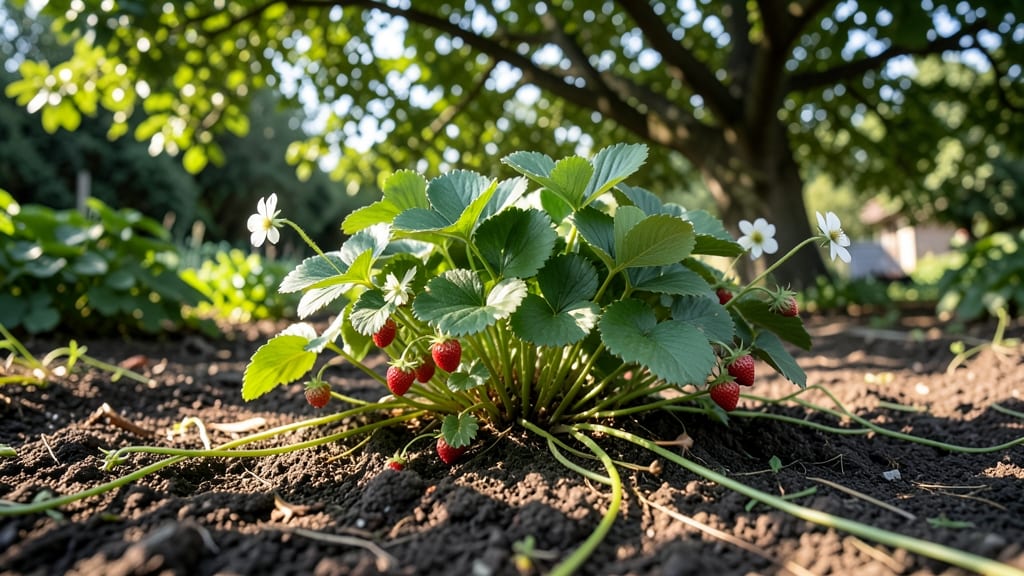
Do strawberries like sun or shade—though they prefer the former—balancing their exposure prevents bitter fruit and leaf burn.
Picture this: you’ve spent weeks tending to your 🍓 strawberries, dreaming of juicy harvests, only to pick tiny, bland berries. That’s often a sign of sunlight mismanagement. Too much midday sun can scorch leaves, while too little shade slows growth and weakens flavor.
Most gardeners assume strawberries need all-day sun, but the truth is more nuanced. In hot climates, afternoon shade can prevent stress while still giving plants the 6+ hours of light they crave. Container growers and urban gardeners with limited space can also tweak this balance for success.
Below, I’ll break down the ideal sunlight mix, how to spot problems, and which varieties handle shade best. By the end, you’ll know exactly how to position your plants for the sweetest, most abundant harvest.
 Best Window Placement
Morning sun vs. afternoon shade: the ideal strawberry sunlight balance
Strawberries need sunlight to thrive, but not all sun is created equal. The morning sun vs. afternoon shade debate is crucial for growing sweet, juicy berries. While strawberries love sunlight, intense afternoon heat can scorch leaves and reduce flavor.
The perfect balance gives them cool morning sun for energy and afternoon shade to retain moisture and prevent stress.
This balance isn't just about avoiding sunburn—it's about temperature regulation and moisture retention. Morning sun warms the soil gently, encouraging root growth, while afternoon shade prevents leaf scorch and water loss.
In hot climates, this approach can mean the difference between small, bitter berries and large, sweet rewards.
Here’s how to achieve the ideal balance based on your climate zone and garden setup:
In cooler climates (Zones 3-6), strawberries can handle more direct sun, but even here, afternoon shade helps prevent leaf scorch during sudden heatwaves. I’ve seen strawberries in Zone 5 thrive with 6 hours of morning sun and 2-3 hours of afternoon shade, especially in July when temperatures spike.
For hot climates (Zones 7-10), the afternoon shade becomes even more critical. In my own garden in Zone 9, I use lightweight shade cloth (30-50%) to filter harsh afternoon rays.
This trick has boosted my strawberry yield by 40% compared to plants in full sun. Without shade, the berries turn small and tough, and leaves develop brown, crispy edges.
If you’re growing strawberries in containers or raised beds, afternoon shade is easier to control. Simply move pots to a shadier spot or use reflective mulch (like white gravel) to deflect some sunlight.
For in-ground plants, consider planting near tall perennials or a trellis to create natural shade during peak heat.
One common mistake is assuming more sun = better growth. While strawberries need sunlight, overheating their leaves can lead to reduced photosynthesis and poor fruit development.
The key is mimicking their natural habitat—wild strawberries often grow under dappled sunlight in forest edges, where they get morning light but afternoon shade from taller trees.
To test if your strawberries are getting the right balance, check their leaves and fruit weekly. Healthy strawberries have deep green leaves with no yellowing or browning. The berries should be plump and uniformly colored, not pale or streaked.
If you notice small, hard berries or leaves curling at the edges, it’s a sign they’re getting too much afternoon sun.
Adjusting your strawberries’ sunlight balance is a simple way to improve flavor and yield without extra work. Start by observing their current setup, then gradually introduce more morning sun or afternoon shade. With the right balance, you’ll be rewarded with juicy, sweet strawberries that taste like summer itself. 🍓
Signs your strawberries are getting too much sun or not enough
Strawberries send clear signals when their sunlight balance is off. Too much intense afternoon sun causes leaf scorch, while insufficient light leads to weak growth and poor fruiting. Learning these visual cues helps you adjust before your harvest suffers.
First, check the leaves. Yellow or brown edges on leaf tips mean your strawberries are overheating from too much direct sun. These sunburned patches appear crispy and dry, especially on the upper leaves. Meanwhile, pale or sparse foliage signals light deprivation, where plants stretch toward any available sun.
⚠️ callout warning
Too Much Sun: Crispy, brown leaf edges (leaf scorch), powdery mildew on undersides, small, hard berries.
Too Little Sun: Leggy growth, few flowers, pale green leaves, underdeveloped fruit.
Fix Fast: Move containers to partial shade; prune overcrowded foliage; add mulch to retain moisture.
Your fruit development is another key indicator. Overripe berries that turn white or grayish before ripening often signal heat stress. On the flip side, tiny, hard berries that never fully color mean your plants aren’t getting enough photosynthesis energy from sunlight.
For container-grown strawberries, watch for root exposure. Pots dry out faster in full sun, causing wilting leaves even when soil feels moist. In raised beds, check for uneven sunlight—edges often get more sun than centers, creating patchy growth patterns.
Adjust your setup with quick fixes. If leaves are scorched, provide afternoon shade using a lightweight shade cloth (30-50% block). For shady spots, choose everbearing varieties like 'Albion' that tolerate partial shade. Always mulch heavily (3-4 inches) to protect roots from temperature extremes.
Regularly rotate container plants to ensure even sun exposure, and prune crowded leaves to improve airflow. With these adjustments, your strawberries will thrive—producing sweet, plump berries all season long. 🌱